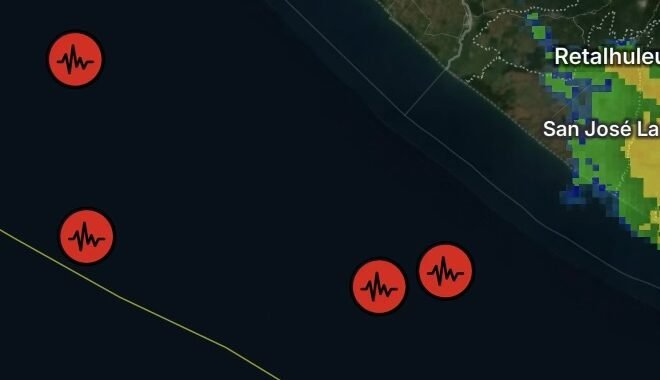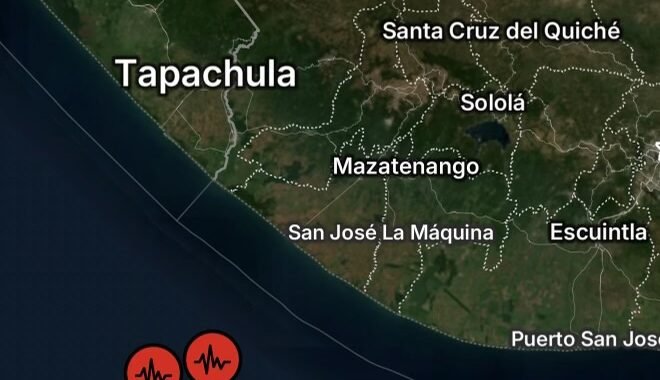









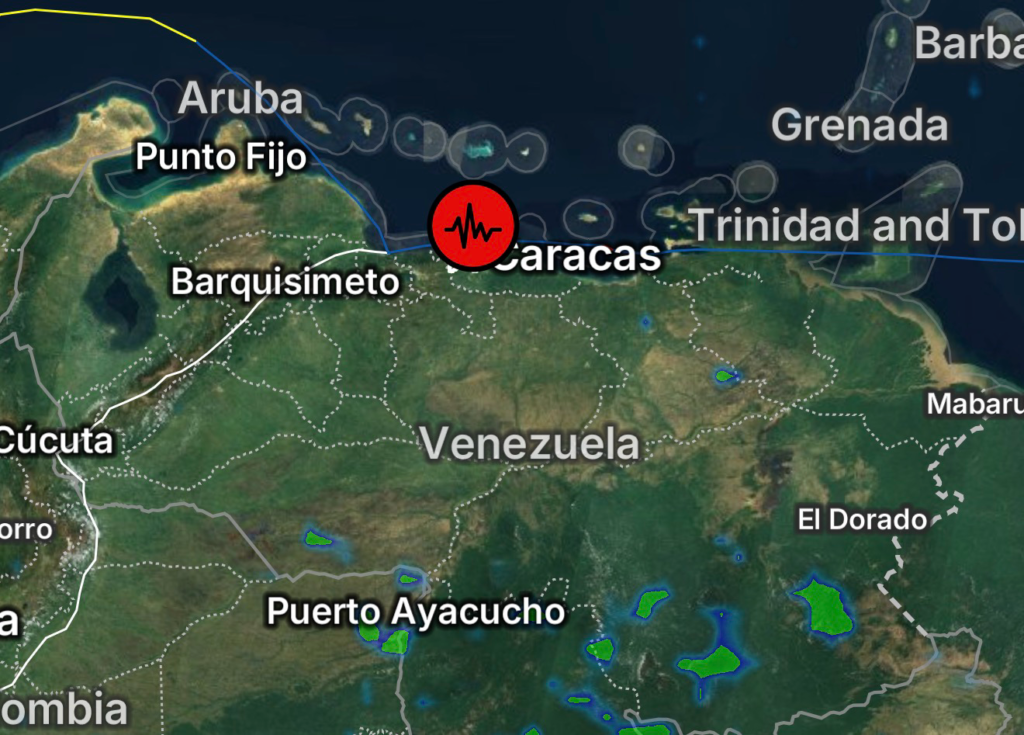
A magnitude 4.6 earthquake was recorded near Caraballeda, Venezuela, on June 29, 2026, adding to the recent pattern of seismic activity affecting northern Venezuela. The earthquake was felt across portions of the coastal region, where residents reported brief shaking. At this time, there have been no widespread reports of significant damage or serious injuries.
Caraballeda is situated along Venezuela’s Caribbean coastline in an area influenced by several active geological fault systems. While moderate earthquakes are not uncommon, each event serves as an important reminder that the region remains seismically active.
Emergency management agencies and seismic monitoring organizations continue to evaluate data from the earthquake while monitoring for any potential aftershocks. Although earthquakes of this magnitude generally cause limited structural damage, localized impacts can occur depending on the depth of the earthquake, local geology, and the condition of nearby buildings.
Residents are encouraged to remain aware of their surroundings and stay informed through official emergency management channels. Aftershocks can occur following an initial earthquake, sometimes hours or even days later, making continued awareness important.
Northern Venezuela has experienced several notable earthquakes throughout its history due to the ongoing interaction between the Caribbean and South American tectonic plates. Scientists continuously monitor this active region to better understand seismic patterns and provide timely information to the public.
Radar Watch HQ will continue monitoring this event and provide updates should additional seismic activity or official information become available.
Earthquake Preparedness Essentials & Safety Guide
Being prepared before an earthquake occurs can make a significant difference in protecting yourself and your family. Keep essential emergency supplies in an easily accessible location and review your emergency plan regularly. Having the right equipment on hand can help you remain safe and self-sufficient during power outages, disrupted communications, or temporary service interruptions following an earthquake.
Earthquake Preparedness Essentials
- Emergency Survival Kit (Shop Emergency Survival Kits)
- Drinking water (at least one gallon per person per day for several days)
- Non-perishable food and a manual can opener
- First aid kit and essential medications
- Flashlight with extra batteries
- NOAA Weather Radio or battery-powered emergency radio
- Portable power bank for charging mobile devices
- Multi-tool or emergency tool kit
- Emergency blankets or sleeping bags
- Dust masks, work gloves, and protective goggles
- Whistle for signaling for help
- Personal hygiene and sanitation supplies
- Important documents stored in a waterproof container
- Cash in small bills
- Pet food and emergency supplies for pets, if applicable
Earthquake Safety Tips
- Before an earthquake: Secure heavy furniture, appliances, and televisions to walls. Know safe places in every room, such as under a sturdy table or desk.
- During an earthquake: Drop, Cover, and Hold On. Stay away from windows, mirrors, and heavy objects that could fall. If outdoors, move to an open area away from buildings, trees, and power lines.
- After an earthquake: Check yourself and others for injuries, inspect your home for hazards such as gas leaks or structural damage, and be prepared for aftershocks. Follow instructions from local emergency officials and avoid damaged buildings until they have been declared safe.
Affiliate Disclosure: As an Amazon Associate, Radar Watch HQ earns from qualifying purchases. If you purchase through our recommended links, we may receive a small commission at no additional cost to you. Your support helps us continue providing weather alerts, preparedness resources, and emergency safety information.