






Extreme Heat Watch and Air Quality Alert Issued for Philadelphia, Trenton, and New York
Residents across Philadelphia, Trenton, and New York City are preparing for several days of dangerous summer weather as an Extreme Heat Watch combines with Air Quality Alerts, creating hazardous conditions for millions of people.
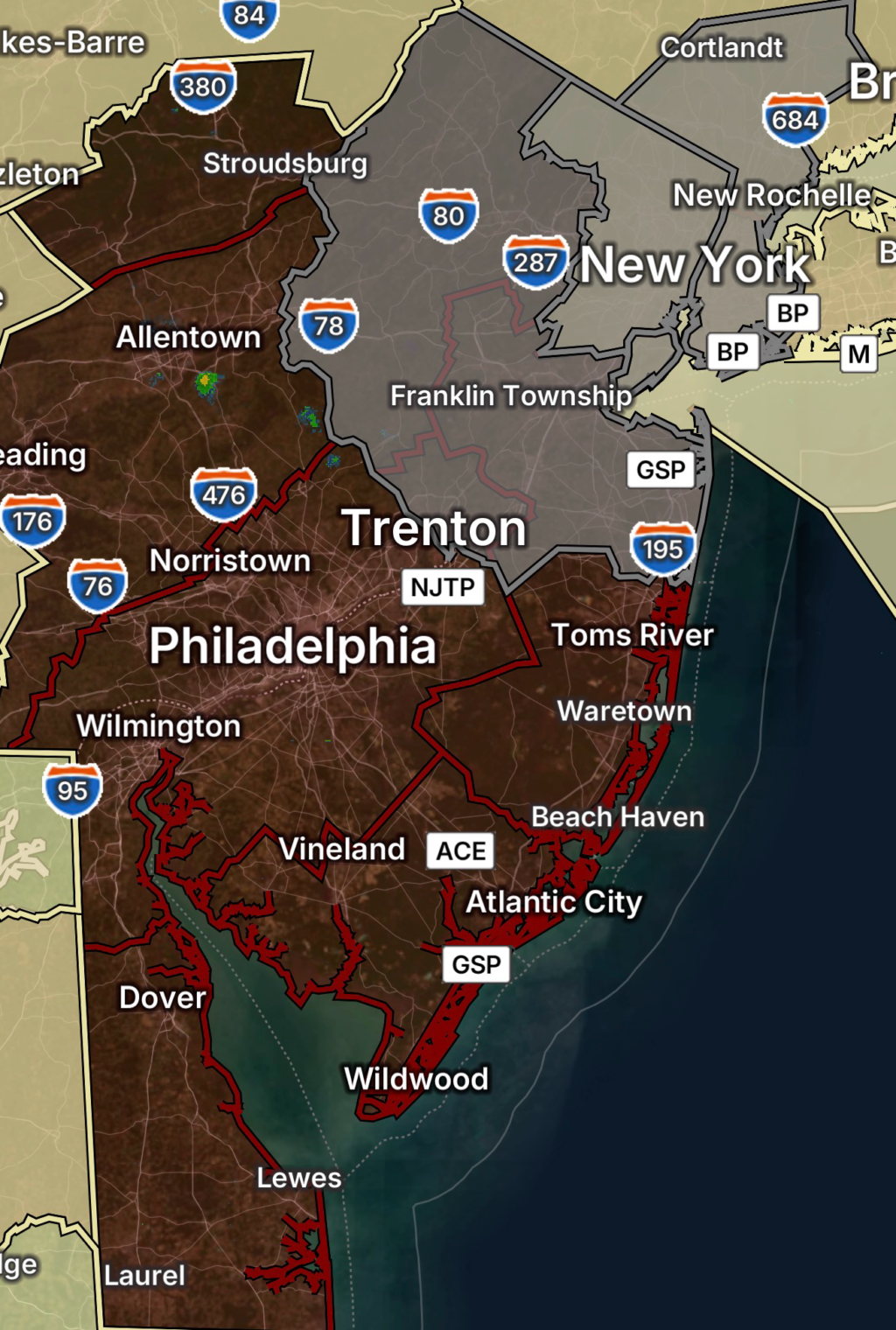
Forecasters warn that a strengthening heat dome will push temperatures into the 90s, while humidity could drive heat index values as high as 105 to 110 degrees later this week. The National Weather Service has issued an Extreme Heat Watch for much of the Interstate 95 corridor as dangerous conditions are expected to develop from Wednesday through Saturday.
Why Air Quality Is Also a Concern
The intense sunshine, stagnant air, and high temperatures are expected to increase ground-level ozone, leading to degraded air quality across the region. Air Quality Alerts indicate that pollution levels may become unhealthy for sensitive groups, including:
- Children
- Older adults
- People with asthma or COPD
- Individuals with heart disease
- Anyone spending extended periods outdoors
Poor air quality combined with extreme heat significantly increases health risks, especially during the afternoon and early evening hours.
Areas Impacted
The alert includes major metropolitan areas such as:
- Philadelphia, Pennsylvania
- Trenton, New Jersey
- New York City
- Surrounding portions of southeastern Pennsylvania, central and southern New Jersey, and nearby communities
Millions of residents across the Northeast should closely monitor updated forecasts as conditions evolve.
Heat Safety Tips
If you live within the affected region, consider these important precautions:
- Drink plenty of water throughout the day.
- Limit strenuous outdoor activities during peak afternoon heat.
- Stay in air-conditioned buildings whenever possible.
- Wear lightweight, light-colored clothing.
- Never leave children or pets inside parked vehicles.
- Check on elderly neighbors, family members, and those without adequate cooling.
- Reduce outdoor exercise when air quality is poor.
Looking Ahead
Forecast models indicate the dangerous heat could persist into the Independence Day holiday period before a possible cold front brings some relief. Until then, residents should prepare for multiple days of oppressive heat, elevated humidity, and periods of unhealthy air quality. Continue monitoring local forecasts and official weather alerts as watches may be upgraded to warnings if confidence increases.
Stay with Radar Watch HQ for the latest weather updates, heat alerts, air quality information, and severe weather coverage across the United States.
Preparedness and Essential Items for an Extreme Heat Watch and Air Quality Alert
When an Extreme Heat Watch and Air Quality Alert are issued together, the combination can create dangerous conditions for everyone, especially older adults, young children, outdoor workers, and people with heart or respiratory conditions. Preparing before temperatures peak can reduce the risk of heat-related illnesses and poor air quality exposure.
Essential Items for Extreme Heat
Having the right supplies on hand can help you stay safe during prolonged periods of dangerous heat.
- Drinking water (at least one gallon per person per day)
- Electrolyte replacement drinks
- Battery-powered or rechargeable fans
- Portable air conditioner or access to cooling centers
- Cooling towels and ice packs
- Lightweight, loose-fitting, light-colored clothing
- Wide-brim hat and UV-protective sunglasses
- Sunscreen (SPF 30 or higher)
- Reusable water bottles
- Flashlights and extra batteries in case of power outages
- First aid kit
- Prescription medications
- Pet water bowls and extra water for animals
Essential Items for Poor Air Quality
Air pollution from wildfire smoke, ozone, or particulate matter can worsen respiratory conditions.
- N95 or KN95 masks for outdoor use
- HEPA air purifier
- Replacement HVAC filters (MERV 13 or higher if compatible)
- Rescue inhalers and prescribed respiratory medications
- Extra tissues and saline nasal spray
- Pulse oximeter (especially for individuals with respiratory illnesses)
Heat Safety Tips
- Drink water frequently, even if you don’t feel thirsty.
- Avoid strenuous outdoor activities during the hottest part of the day (typically 10 a.m. to 6 p.m.).
- Stay inside air-conditioned buildings whenever possible.
- Take frequent breaks if working outdoors.
- Wear loose, breathable clothing.
- Never leave children or pets inside parked vehicles.
- Check on elderly family members, neighbors, and those without air conditioning.
- Know the signs of heat exhaustion and heat stroke.
Air Quality Safety Tips
- Stay indoors with windows and doors closed when air quality is unhealthy.
- Run air conditioning on recirculation mode if possible.
- Limit outdoor exercise and strenuous activities.
- Use a HEPA air purifier to improve indoor air quality.
- Wear an N95 or KN95 mask if you must be outside during poor air quality events.
- Monitor local Air Quality Index (AQI) updates throughout the day.
Protecting Pets
Pets are also vulnerable to extreme heat and poor air quality.
- Keep fresh water available at all times.
- Walk dogs during early morning or late evening hours.
- Avoid hot pavement that can burn paws.
- Bring pets indoors during periods of poor air quality.
- Watch for signs of heat stress such as excessive panting, drooling, or lethargy.
Recognizing Heat Illness
Heat Exhaustion
Symptoms include:
- Heavy sweating
- Weakness
- Dizziness
- Nausea
- Muscle cramps
- Cool, clammy skin
Move to a cool location, drink water, and seek medical attention if symptoms worsen.
Heat Stroke (Medical Emergency)
Call 911 immediately if someone experiences:
- Body temperature above 103°F (39.4°C)
- Hot, red, dry, or damp skin
- Confusion
- Slurred speech
- Seizures
- Loss of consciousness
Heat stroke can become life-threatening within minutes.
Emergency Preparedness Checklist
✔ Stock several days of drinking water.
✔ Keep emergency supplies easily accessible.
✔ Charge mobile devices and backup batteries.
✔ Know the location of nearby cooling centers.
✔ Monitor weather forecasts and Air Quality Index updates.
✔ Check on vulnerable family members, neighbors, and friends.
Affiliate Disclosure: As an Amazon Associate, Radar Watch HQ earns from qualifying purchases. If you purchase through our recommended links, we may receive a small commission at no additional cost to you. Your support helps us continue providing weather alerts, preparedness resources, and emergency safety information.