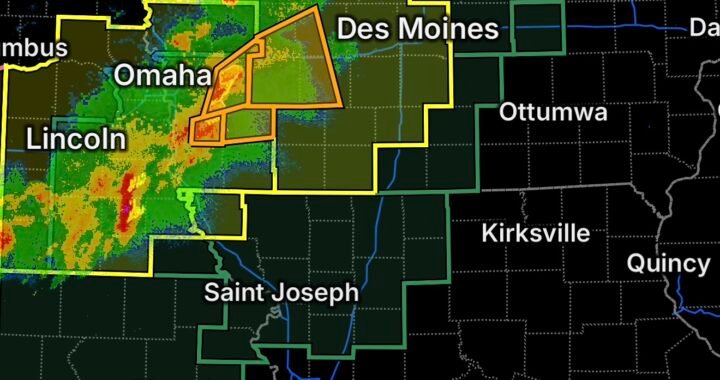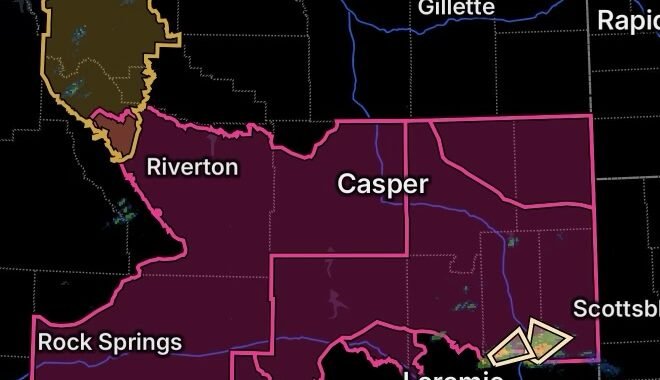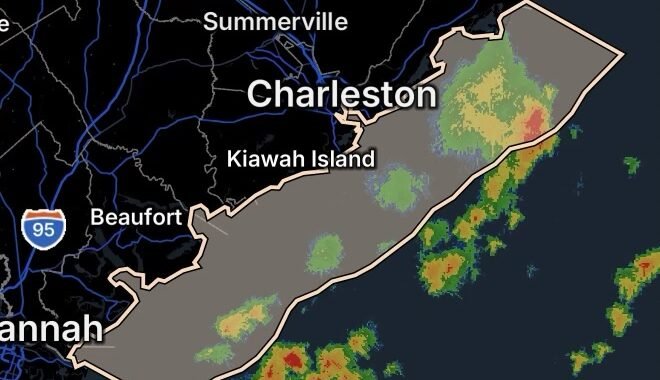






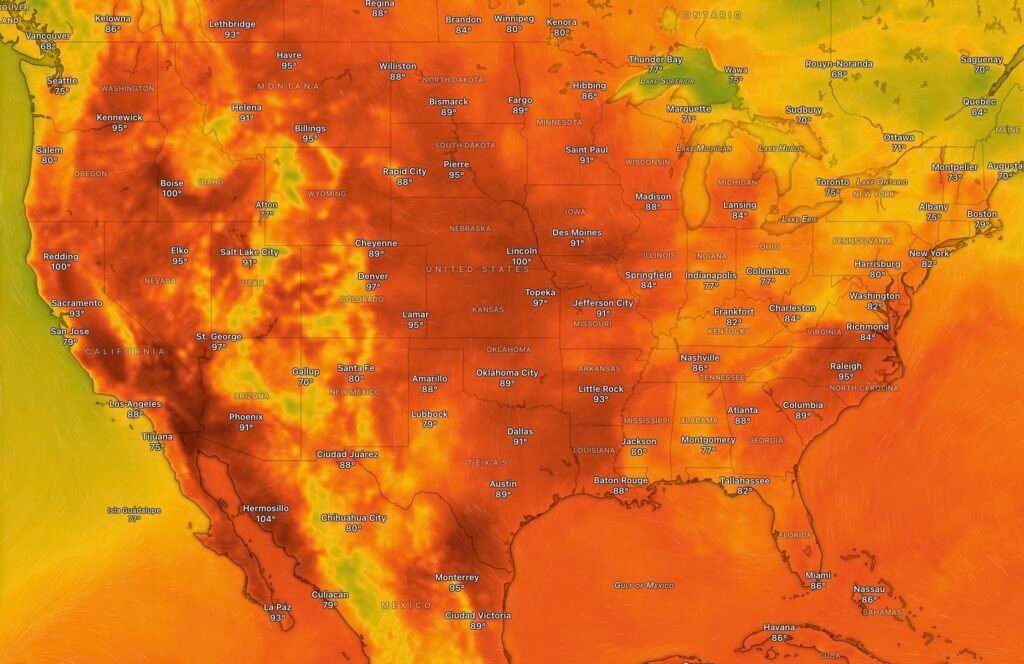
As summer heat continues across the United States, temperatures are being influenced by much more than the thermometer alone. Humidity, soil moisture, drought conditions, and atmospheric patterns are creating dramatic regional differences in how hot it actually feels. While some areas are experiencing dangerous heat indices due to tropical moisture, others are seeing scorching temperatures fueled by exceptionally dry air and prolonged drought.
Heat Dome Expanding Across the Nation
A strong upper-level ridge of high pressure, commonly known as a heat dome, is allowing temperatures to climb well above seasonal averages across much of the country. This pattern suppresses cloud development and rainfall while allowing abundant sunshine to rapidly heat the surface. Millions of Americans remain under heat alerts as this pattern continues.
Humidity Makes It Feel Even Hotter
Across the Gulf Coast, Southeast, and portions of the Mid-Atlantic, deep tropical moisture is combining with high temperatures to produce dangerous heat index values.
High humidity affects temperatures by:
- Limiting the body’s ability to cool through sweat evaporation.
- Keeping overnight temperatures unusually warm.
- Increasing heat stress during prolonged outdoor activities.
- Producing heat index values well above the actual air temperature.
Even if the thermometer reads 95°F, humidity can make it feel well above 105°F, increasing the risk of heat-related illnesses.
Dry Air and Drought Create Extreme Heating
Across portions of the West, Great Plains, and interior Northwest, ongoing drought has reduced soil moisture, allowing more of the sun’s energy to heat the air instead of evaporating water from the ground.
As drought intensifies:
- Soil dries rapidly.
- Less moisture is available for evaporative cooling.
- Afternoon temperatures climb faster.
- Wildfire danger increases significantly.
Many drought-stricken areas are seeing triple-digit temperatures combined with extremely low humidity, creating ideal conditions for rapid wildfire growth.
Soil Moisture Plays a Major Role
One of the biggest influences on summer temperatures is soil moisture.
Wet Ground
- More energy goes into evaporation.
- Temperatures remain somewhat cooler.
- Higher humidity develops.
Dry Ground
- Nearly all incoming solar energy heats the surface.
- Temperatures rise much faster.
- Heat waves often become longer-lasting.
This explains why regions experiencing prolonged drought frequently record some of the hottest temperatures during the summer.
Regional Weather Pattern Overview
Western United States
- Widespread hot temperatures
- Low humidity
- Elevated wildfire danger
- Expanding drought in several regions
Great Plains
- Above-normal temperatures
- Dry soils contributing to faster heating
- Increased fire weather concerns
Midwest
- Heat combined with periods of higher humidity
- Localized drought developing in some areas
- Poor overnight cooling in urban locations
Southeast and Gulf Coast
- Very high humidity
- Dangerous heat index values
- Tropical moisture increasing rainfall potential in some locations
Northeast
- Hot and increasingly humid conditions
- Heat indices exceeding actual temperatures
- Warm overnight lows limiting relief from the heat
Why Overnight Temperatures Matter
One growing concern during prolonged heat events is the lack of overnight cooling.
When humidity remains high:
- Temperatures stay elevated after sunset.
- Homes retain more heat.
- The human body has less opportunity to recover from daytime heat stress.
This prolonged exposure significantly increases health risks, especially for vulnerable populations.
Looking Ahead
Forecast guidance suggests the pattern of above-normal temperatures will continue across much of the United States, with drier-than-normal conditions favored across parts of the Great Plains and Great Lakes while increased moisture remains possible along portions of the Gulf Coast and Southeast. Areas already experiencing drought should continue monitoring for worsening fire weather, while humid regions should prepare for dangerous heat index values.
Stay Weather Aware
Whether your region is dealing with extreme humidity or persistent drought, both environments can create hazardous conditions. Stay hydrated, limit strenuous outdoor activities during peak afternoon heat, monitor local weather alerts, and remain aware of wildfire restrictions or heat advisories issued by local officials.