


Air Quality Improves Across Parts of the U.S. After Recent Storms
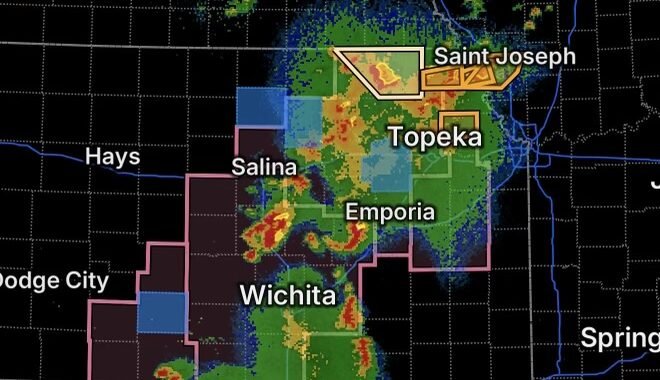
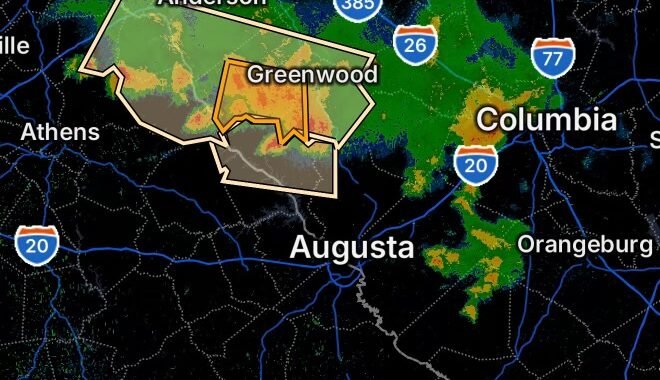
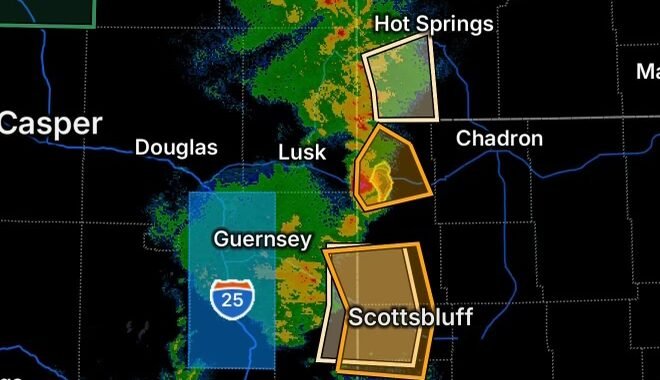
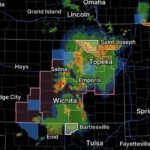
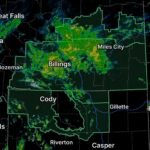
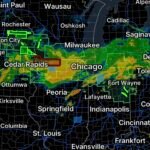
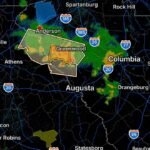
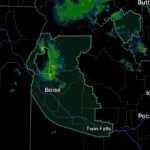
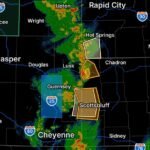
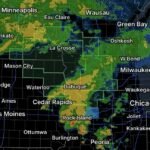
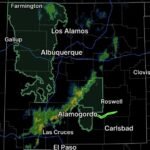
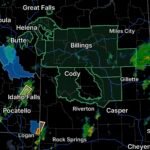
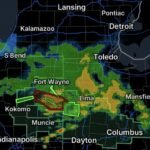
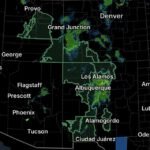
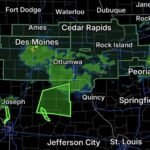
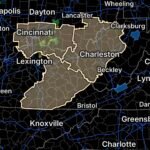
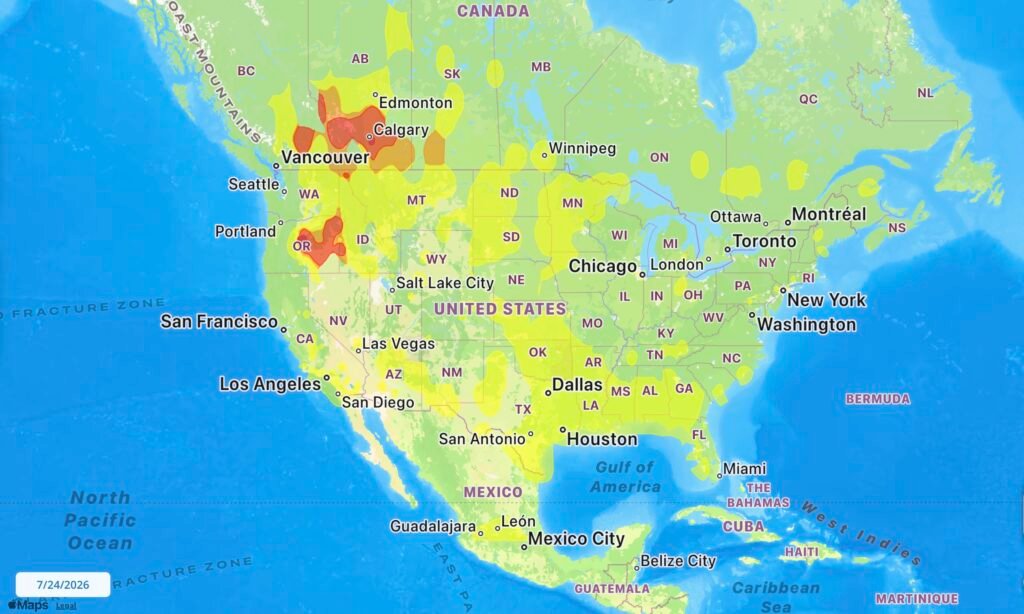
July 24, 2026 has brought encouraging news for many communities as air quality has improved in several regions following days of increased moisture, widespread rainfall, and thunderstorms. While some locations continue to experience smoke and haze from ongoing wildfires, recent weather has helped clear the atmosphere in many areas.
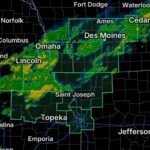
Meteorologists have observed that moisture from recent weather systems, including thunderstorms and heavy rainfall, has played an important role in reducing airborne particles. As rain falls, it removes dust, smoke, pollen, and other pollutants from the atmosphere through a natural process known as “wet deposition,” resulting in cleaner air and improved visibility.
How Recent Storms Helped Improve Air Quality
Rain and thunderstorms provide several benefits for air quality. Heavy rainfall washes fine particulate matter out of the air, while gusty winds associated with storms help disperse stagnant pockets of pollution. Increased humidity can also help reduce airborne dust, especially in areas that have experienced prolonged dry conditions.
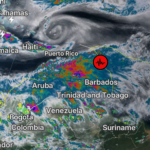
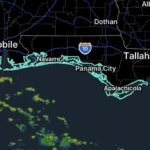
In some regions, moisture associated with the remnants of recent tropical activity also contributed to widespread rainfall, further improving atmospheric conditions. Together, these weather patterns have allowed many communities to experience lower concentrations of fine particulate pollution (PM2.5) and improved Air Quality Index (AQI) readings.
Areas Still Monitoring Air Quality
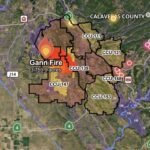
Despite the improvements, not every location has seen cleaner air. Areas near active wildfires or regions experiencing persistent smoke transport may continue to report elevated pollution levels. In addition, light winds and temperature inversions can occasionally trap pollutants near the surface, causing localized declines in air quality.
Residents should continue monitoring local AQI forecasts, especially individuals with asthma, heart disease, or other respiratory conditions, as conditions can change quickly depending on wildfire activity and shifting weather patterns.
Why Moisture Makes a Difference
Moisture is one of nature’s most effective tools for cleaning the atmosphere. Rainfall removes airborne particles before they can remain suspended, while thunderstorms increase atmospheric mixing, allowing pollutants to disperse more efficiently.
Although today’s improvements are welcome, continued dry weather and new wildfire activity could cause air quality to deteriorate again in the coming days. Forecasts will continue to monitor wildfire smoke, heat, and developing weather systems that may influence air quality heading into late July.
Looking Ahead
As weather patterns continue to evolve, additional showers and thunderstorms could bring further improvements to air quality in some areas. However, communities near ongoing wildfire activity should remain prepared for changing conditions. Monitoring daily air quality forecasts remains one of the best ways to stay informed and protect your health.
Stay indoors when air quality is poor, reduce strenuous outdoor activities during elevated pollution events, and use high-quality air filtration when needed. Even temporary improvements can make a significant difference for sensitive groups and overall public health.
Stay with Radar Watch HQ for the latest air quality updates, wildfire smoke forecasts, severe weather coverage, and daily environmental conditions impacting communities across the United States. Check back regularly as we continue tracking changing weather patterns and their effects on the air you breathe.