
High Temperatures, Fire Weather, and Wildfire Smoke Continue to Impact Air Quality Nationwide
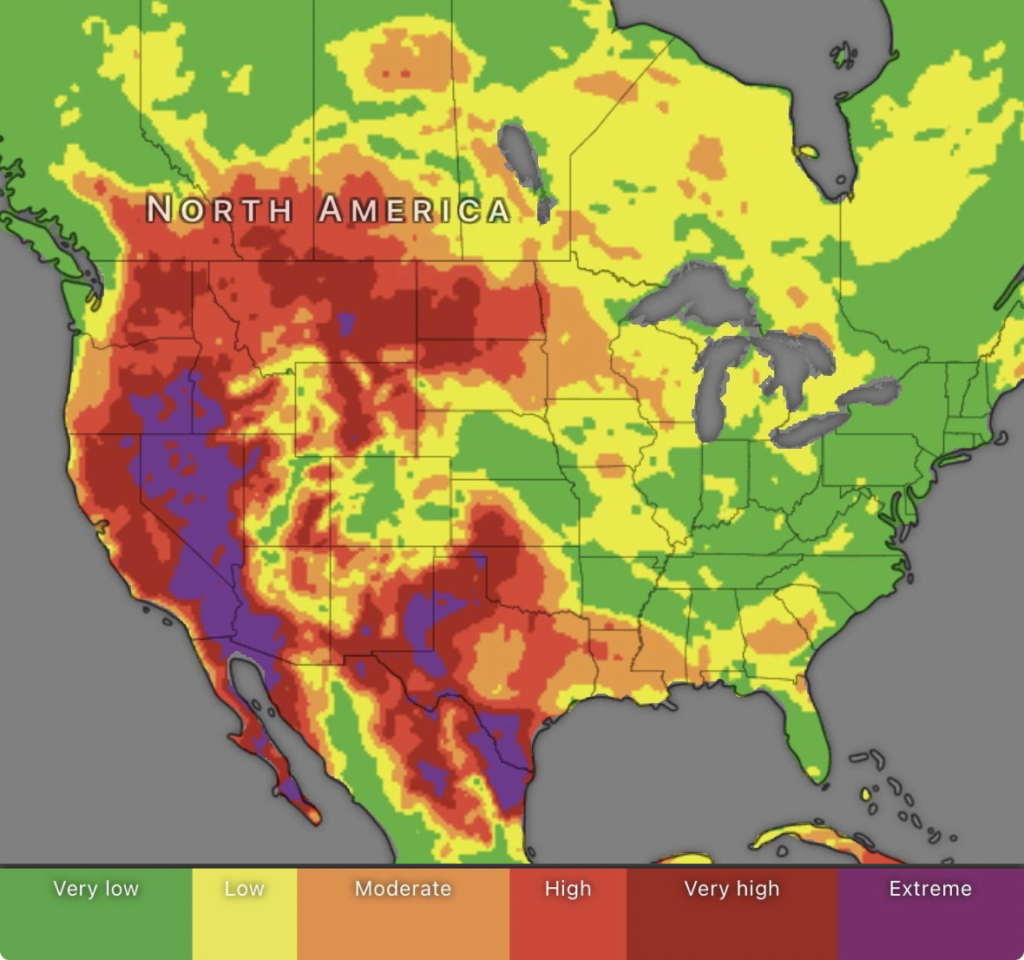
As the peak of summer continues, much of the United States remains under heightened fire danger due to a combination of extreme heat, low humidity, dry vegetation, and gusty winds. These conditions have allowed several wildfires to spread rapidly across portions of the West while smoke from ongoing fires continues to travel hundreds of miles, reducing air quality in communities far from the flames.
Although thunderstorms and heavy rainfall have recently affected parts of the eastern United States, many western states continue to experience dangerous fire weather that keeps firefighters on high alert. The combination of prolonged heat and critically dry fuels has created an environment where even a small spark can quickly become a large wildfire.
Fire Weather Conditions Remain Elevated
Fire weather develops when several atmospheric conditions occur simultaneously. Across portions of the West, these ingredients continue to align:
- High temperatures exceeding 90–110°F
- Low relative humidity
- Dry grasses, brush, and forests
- Gusty afternoon winds
- Limited recent rainfall
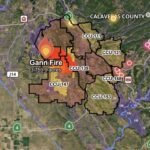
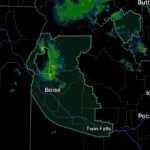
These factors significantly increase the likelihood of rapid wildfire ignition and fast-moving fire spread, particularly across California, Oregon, Washington, Idaho, Nevada, Utah, Arizona, Montana, Wyoming, and portions of the Great Basin. Recent large fires, including the Big Grass Fire in Idaho and other active incidents across the West, have demonstrated how quickly fires can grow under these weather conditions.
High Temperatures Continue Drying Vegetation
Persistent summer heat has accelerated the drying of vegetation across many wildfire-prone regions. Grasses that were green earlier in the season have now cured into highly flammable fuels.
When temperatures remain well above average for several consecutive days:
- Soil moisture rapidly decreases.
- Trees become increasingly stressed.
- Brush and grasses ignite more easily.
- Fire intensity often increases.
Even overnight temperatures have remained unusually warm in many locations, preventing vegetation from recovering moisture before the next day begins.
Fire Spread Remains a Serious Concern
Strong afternoon winds continue to increase wildfire behavior across portions of the West.
Rapid fire spread can occur when:
- Wind pushes flames into unburned vegetation.
- Embers travel long distances ahead of the main fire.
- Dry fuels ignite almost instantly.
- Steep terrain accelerates uphill fire movement.
Firefighters continue to face difficult conditions as changing winds and extreme heat complicate suppression efforts.
Wildfire Smoke Is Affecting Air Quality Across the Nation
One of the largest impacts from this year’s wildfire activity has been smoke transport.
Smoke generated by western U.S. fires, along with significant Canadian wildfires earlier this month, has traveled thousands of miles through the atmosphere, affecting air quality across the Midwest, Great Lakes, Northeast, and even portions of the East Coast. Recent smoke episodes prompted air quality alerts in multiple states, with elevated fine particulate (PM2.5) levels reducing visibility and creating unhealthy breathing conditions for sensitive groups.
Air quality can deteriorate even when skies appear only slightly hazy.
Health impacts may include:
- Eye irritation
- Sore throat
- Coughing
- Difficulty breathing
- Worsening asthma
- Increased cardiovascular stress for vulnerable individuals
Children, older adults, pregnant women, and people with heart or lung disease are especially vulnerable during smoky conditions.
Fire Weather Outlook
Fire danger is expected to remain elevated across many western states as hot, dry conditions persist.
Areas receiving thunderstorms without significant rainfall may also experience an increased risk of new wildfire starts due to lightning.
Meanwhile, portions of the eastern United States may see temporary relief from fire danger thanks to recent rainfall, although localized dry periods could quickly increase fire risk again as temperatures climb.
How to Stay Safe During Fire Weather
Residents living in fire-prone areas should remain prepared by:
- Monitoring local fire weather forecasts and wildfire alerts.
- Avoiding activities that could create sparks.
- Following burn bans and local fire restrictions.
- Creating defensible space around homes.
- Preparing an evacuation plan before a wildfire threatens.
- Keeping emergency supplies ready.
- Limiting outdoor activity when air quality becomes unhealthy.
- Using high-quality air filtration indoors when wildfire smoke is present.
Looking Ahead
The heart of wildfire season is still ahead for many western states. As long as high temperatures, low humidity, and dry fuels continue, fire weather concerns are likely to remain elevated through much of the summer.
Communities across the nation may continue experiencing degraded air quality as wildfire smoke travels long distances, demonstrating that wildfire impacts extend far beyond the fire perimeter. Staying informed about both local fire danger and regional air quality forecasts remains essential throughout the remainder of the wildfire season.
Stay with Radar Watch HQ for continuing coverage of wildfire activity, fire weather outlooks, air quality updates, and severe weather alerts across the United States.
Radar Watch HQ Air Quality Essentials
Affiliate Disclosure: As an Amazon Associate, Radar Watch HQ earns from qualifying purchases.
- HEPA Air Purifier – Helps remove smoke, dust, pollen, and fine particulate matter (PM2.5) from indoor air.
- N95 Respirator Masks – Provides added protection when outdoor air quality reaches unhealthy levels.
- Portable Air Quality Monitor – Tracks indoor PM2.5, AQI, temperature, and humidity in real time.
- Replacement HEPA Air Filters – Keep home HVAC systems and air purifiers operating efficiently during extended air quality events.
- Portable Battery Power Station – Keeps air purifiers, fans, phones, and other essential devices powered during outages caused by severe weather or wildfire-related emergencies.