
U.S. Air Quality Report: Improvements Meet Severe Wildfire Hazards
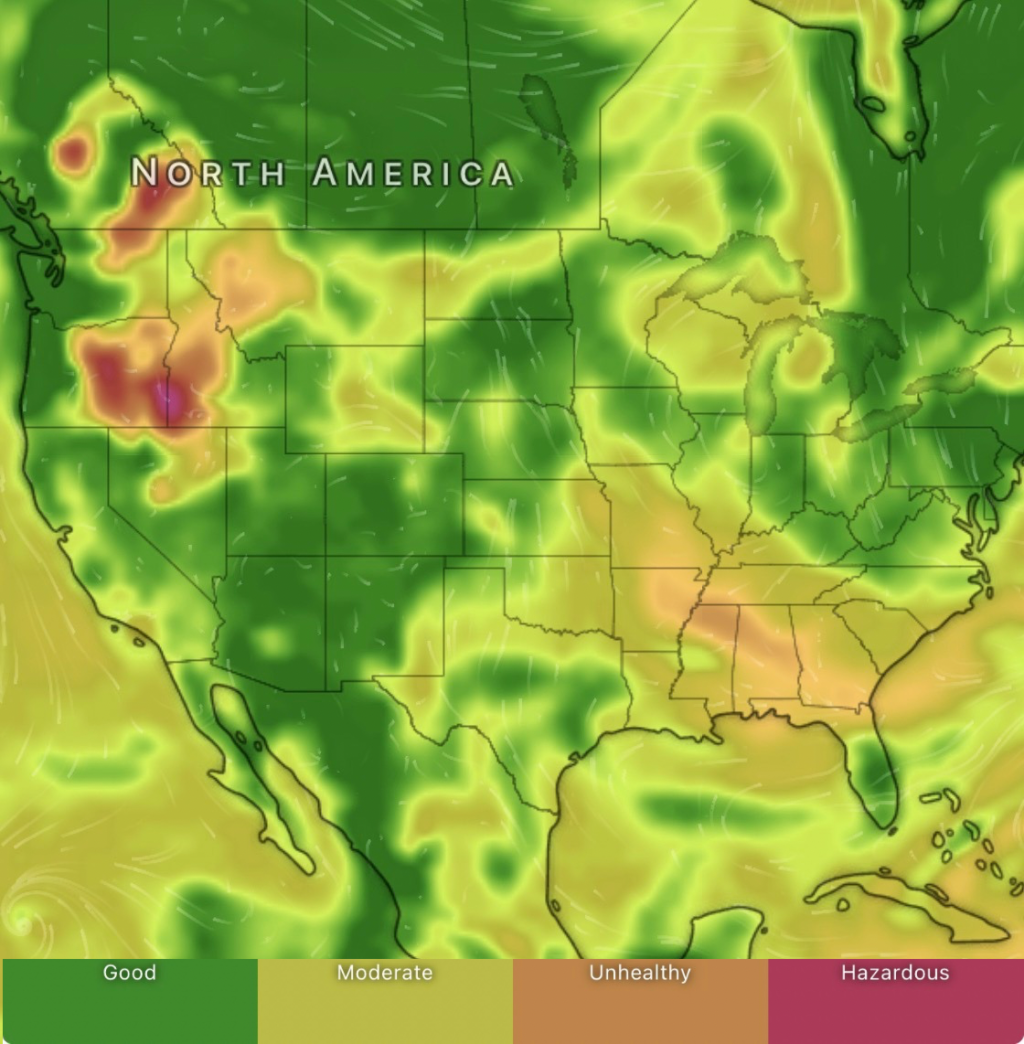
The United States is currently experiencing a striking environmental dichotomy. As of July 30, 2026, stricter emissions controls and favorable weather patterns have brought long-term air quality improvements to many parts of the country. However, these gains are severely tested by an active wildfire season, blanketing several regions in hazardous particulate matter and triggering urgent health warnings.
Regional Breakdown: Where Skies Are Clearing
Over the past year, sustained regulatory efforts and a transition toward cleaner energy have helped lower baseline concentrations of ozone and fine particulate matter (\bm{PM_{2.5}}) across large sections of the Southern Plains, the Gulf Coast, and parts of the Southeast.
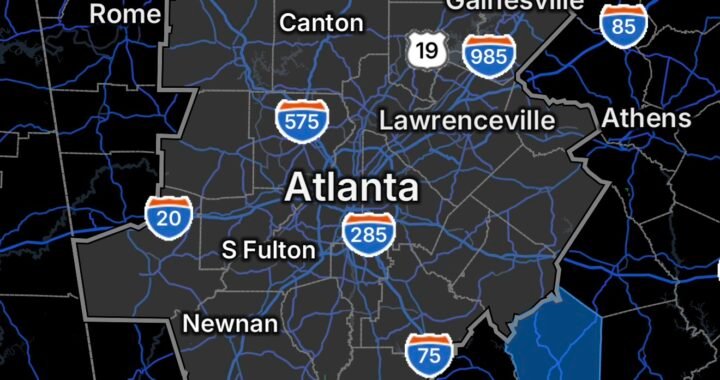
The South and Southeast: Cities in states like Texas, Georgia, and Florida are reporting predominantly “Good” to “Moderate” Air Quality Index (AQI) readings. Lower local industrial emissions and steady oceanic breezes have helped maintain cleaner baseline air compared to previous years.
The Northeast Corridor: Following heavy smoke disruptions earlier in the month, major metropolitan areas from Washington, D.C., to Boston are seeing stabilization, with standard summer air patterns returning.
The Hazard Zone: Wildfires Drive Unhealthy Air Quality
While parts of the country are enjoying clearer skies, the Western United States and parts of the upper Midwest face significant environmental pressure from active blazes.
The Western U.S. Crisis
Hot, dry, and windy weather conditions across states like Oregon, Idaho, and Montana have intensified seasonal wildfires.
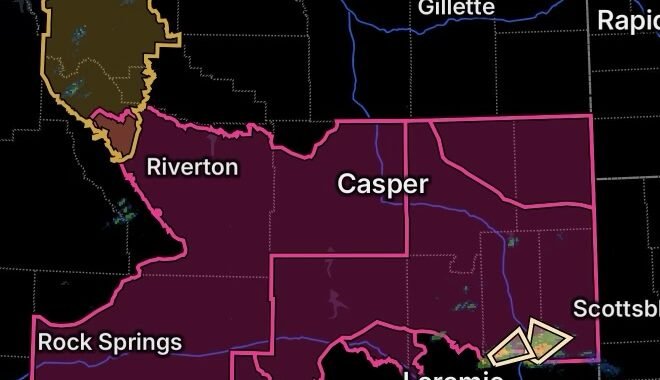
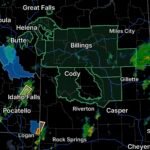
Impacted Areas: Cities including Boise, Helena, and communities near Central Oregon’s active fires (such as the Akawa Butte Fire) have registered AQI numbers soaring into the “Unhealthy” and occasionally “Very Unhealthy” brackets.
The Primary Culprit: Fine particulate matter (\bm{PM_{2.5}}) is the dominant pollutant. These microscopic particles bypass the body’s natural defenses, penetrating deep into the lungs and bloodstream.
“Dense wildfire smoke continues to reduce visibility and degrade air quality across regional population centers, prompting local departments of environmental quality to issue strict health advisories.”
Health Impacts and Vulnerable Populations
When \bm{PM_{2.5}} levels spike due to wildfire smoke, health officials advise caution—especially for sensitive demographics.
At-Risk Groups: Children, older adults, pregnant individuals, and people with pre-existing respiratory or cardiovascular conditions (such as asthma) are most susceptible.
Common Symptoms: Throat irritation, coughing, shortness of breath, and chest discomfort.
Recommended Safety Measures
If you live in an area impacted by current smoke plumes:
1. Monitor Real-Time Data: Check platforms like AirNow.gov before heading outdoors.
2. Seal Indoor Spaces: Keep windows and doors tightly shut, and run air conditioners on the “recirculate” setting.
3. Use Air Filtration: Operate HEPA air purifiers indoors to capture fine particulates.
4. Wear Protection: If outdoor exposure is unavoidable, wear a tightly fitted N95 or KN95 mask.
Looking Ahead: What to Expect Next
Meteorological forecasts suggest that relief is on the horizon for parts of the West as lower temperatures and shifting wind patterns move in toward the end of the week. However, as the peak of the dry season continues, air quality management will remain a critical focus for emergency responders and environmental agencies nationwide. Stay tuned to local forecasts as conditions evolve rapidly.
Radar Watch HQ Air Quality Essentials
Affiliate Disclosure: As an Amazon Associate, Radar Watch HQ earns from qualifying purchases.
- HEPA Air Purifier – Helps remove smoke, dust, pollen, and fine particulate matter (PM2.5) from indoor air.
- N95 Respirator Masks – Provides added protection when outdoor air quality reaches unhealthy levels.
- Portable Air Quality Monitor – Tracks indoor PM2.5, AQI, temperature, and humidity in real time.
- Replacement HEPA Air Filters – Keep home HVAC systems and air purifiers operating efficiently during extended air quality events.
- Portable Battery Power Station – Keeps air purifiers, fans, phones, and other essential devices powered during outages caused by severe weather or wildfire-related emergencies.