

Special Marine Warning Issued: Dangerous Storms Threaten Atlantic Waters from St. Augustine to Flagler Beach
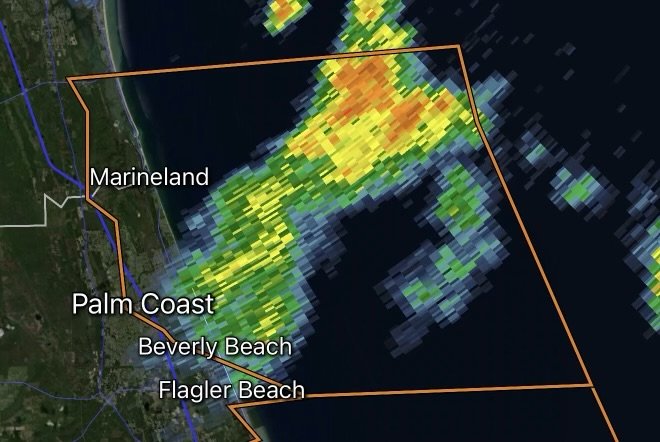
If you are navigating the coastal waters along Florida’s First Coast and Atlantic Seaboard, it is time to check your radar and secure your vessel. The National Weather Service (NWS) has issued an active Special Marine Warning targeting critical nearshore zones, highlighting severe thunderstorms packing hazardous winds, heavy downpours, frequent lightning, and dangerous chop.
Whether you are a commercial fisher heading out into the Atlantic or a recreational boater cruising near the shore, understanding the scope of these sudden marine alerts is vital to keeping you and your crew safe.
Fast Facts: St. Augustine to Flagler Beach Marine Alert
Impacted Regions: Coastal waters from St. Augustine to Flagler Beach, Florida, extending out 20 nautical miles (NM).
Core Hazards: Sudden high wind gusts exceeding 34 knots (39 mph), rough and choppy seas, frequent cloud-to-water lightning, and reduced visibility in torrential downpours.
Issuing Agency: National Weather Service (NWS).
Action Required: Seek safe harbor immediately; secure all loose gear and monitor marine radio channels for continuous updates.
What Triggers a Special Marine Warning?
Unlike routine Small Craft Advisories that warn of prolonged or general high winds and seas, a Special Marine Warning (SMW) is an urgent, short-term alert. It is typically issued for localized, life-threatening hazards associated with severe thunderstorms, waterspouts, or sudden squalls moving across coastal waters.
Along the Atlantic coastline, rapidly developing convective storms can catch mariners off guard. High thermal energy, colliding sea breezes, and fast-moving frontal boundaries can turn a calm morning on the water into a treacherous environment in a matter of minutes. High winds can snap rigging, capsize small watercraft, and create dangerous rogue waves near inlets and shallow shoals.
Marine Safety Checklist: How to Protect Your Vessel and Crew
When a Special Marine Warning is active, every minute counts. Adhering to fundamental marine safety protocols can prevent a disastrous situation on the water:
Head to Safe Harbor Immediately: Do not attempt to outrun the storm if you are close to port. Head directly to the nearest protected marina, boat ramp, or slip before conditions deteriorate. If you are further offshore, position your vessel to ride out the squall safely.
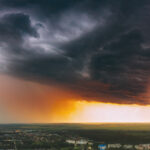
Watch for Hazardous Weather Signs: Keep a sharp lookout for darkening skies, sudden erratic wind shifts, dropping barometric pressure, and intense cloud-to-surface lightning.
Put on Personal Flotation Devices (PFDs): Ensure every individual on board is wearing a properly fitted life jacket. In rough seas and high winds, falling overboard can quickly become fatal.
Stay Below Deck and Secure Gear: If your boat features a cabin, move passengers inside and stay low. Lash down loose items on deck—including fishing rods, coolers, and canvas covers—to prevent them from becoming dangerous projectiles.
Monitor Marine Radio Channels: Keep your VHF-FM radio tuned to channel 16 or 22A, or enable emergency alerts on your mobile device to receive continuous radar updates and all-clear notifications from the National Weather Service.
Stay Informed
Marine conditions on the Atlantic Coast can shift from serene to treacherous in minutes. Always check real-time radar, monitor official marine forecasts from the National Weather Service, and respect local marine patrol guidance before casting off.
Stay safe, stay alert, and respect the power of the Atlantic!
Radar Watch HQ Top 5 Marine Essentials
Affiliate Disclosure: As an Amazon Associate, Radar Watch HQ earns from qualifying purchases.
🌊 1. U.S. Coast Guard-Approved Life Jacket
A properly fitted life jacket is the most important piece of safety equipment for every passenger onboard.
Best for: Recreational boaters, anglers, kayakers, and paddleboarders.
⚓ 2. Marine Emergency Radio (NOAA Weather Radio)
Receive real-time NOAA Weather Radio alerts, marine forecasts, and emergency warnings—even when cell service is unavailable.
Best for: Offshore and coastal boating.
🔦 3. Rechargeable Waterproof LED Flashlight
A bright waterproof flashlight is essential for emergencies, low visibility, nighttime navigation, and signaling for help.
Best for: Every boat emergency kit.
🧰 4. Marine First Aid Kit
A waterproof first aid kit stocked with bandages, antiseptic, medications, and emergency supplies for injuries on the water.
Best for: Every vessel, regardless of size.
🧭 5. Waterproof Dry Bag
Protect phones, wallets, charts, keys, electronics, and emergency supplies from water damage during storms or rough seas.
Best for: Boaters, kayakers, paddleboarders, and beachgoers.
🛒 Radar Watch HQ Marine Safety Picks
Prepare before you head out on the water. Our recommended marine safety essentials can help keep you and your crew safe during changing weather conditions.