



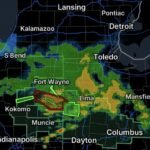
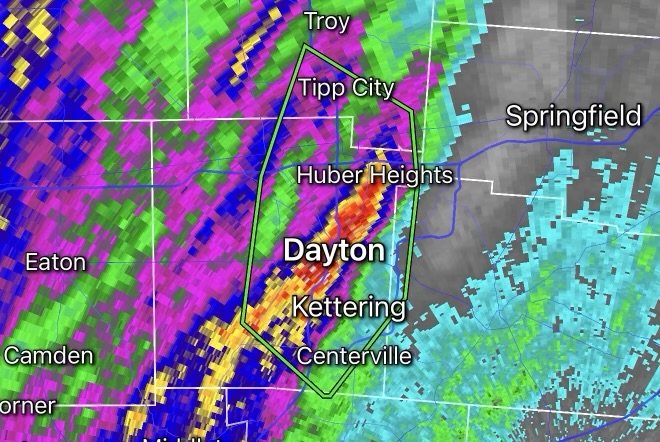
Torrential Rains Unleash Flash Flood Warnings: Severe Flooding Threatens Greene, Miami, and Montgomery Counties, Ohio
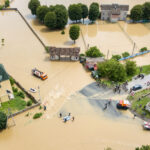
A volatile, high-energy summer weather pattern has locked over the region, delivering relentless, torrential downpours that pose an immediate, life-threatening risk to communities across southwest and west-central Ohio. Radar estimates and local emergency management reports indicate that slow-moving thunderstorm cells are dropping staggering rainfall rates, overwhelming urban drainage systems, small creeks, and low-lying roadways.
The National Weather Service (NWS) in Wilmington, OH, has issued urgent Flash Flood Warnings for multiple counties caught in the crosshairs of this severe weather outbreak. Whether you live in Dayton, Xenia, Troy, Kettering, Piqua, Beavercreek, or surrounding rural and urban stretches, the rapid accumulation of water is creating dangerous, rapidly escalating conditions.
Fast Facts: Southwest Ohio Flash Flood Event
Impacted Regions: Greene County, Miami County, and Montgomery County, Ohio (monitored by NWS Wilmington).
Core Hazards: Torrential rainfall rates capable of producing rapid flooding in low-lying areas, small creeks, urban street networks, and poor-drainage zones.
Issuing Agency: National Weather Service (NWS) Wilmington, Ohio.
Action Required: Turn Around, Don’t Drown! Avoid driving or walking through flooded roadways and move to higher ground if rising waters threaten your property.
Understanding the Threat: Why Flash Floods Happen So Fast
During peak summer convective seasons, humid air masses and slow-moving storm boundaries can stall over the Miami Valley region. When these storms repeatedly track over the same areas (a phenomenon known as training), they dump excessive amounts of rain in a very short window.
Because urban and suburban surfaces—such as asphalt, concrete, and rooftops—cannot absorb water, intense rainfall immediately transforms into high-velocity runoff. This runoff surges into local storm drains, retention basins, and urban creeks like the Great Miami River and Little Miami River tributaries, triggering sudden flash flooding that can catch motorists and residents completely off guard.
Flash Flood Safety Checklist: Protecting Your Family and Property
When a Flash Flood Warning is active, every minute counts. Adhering to fundamental safety guidelines can prevent tragedy:
Turn Around, Don’t Drown: Never drive, ride, or walk through flooded roadways. Just 6 inches of fast-moving water can knock an adult off their feet, and 12 inches of rushing water can carry away a small car. Floodwaters frequently hide washed-out road surfaces, deep potholes, and open hazards underneath.
Move to Higher Ground Immediately: If floodwaters begin rising around your home or property, move to higher floors or evacuate to elevated ground if instructed by local emergency management.
Stay Away from Storm Drains and Creeks: Fast-flowing water in drainage ditches, creeks, and canals acts like an undertow. Never allow children or pets to play near swollen waterways or flooded retention ponds.
Prepare for Utility Disruptions: Keep emergency kits, flashlights, extra batteries, and fully charged communication devices ready in case localized power outages occur due to severe storm activity.
Monitor Official Emergency Channels: Keep a NOAA Weather Radio tuned to your local frequency or enable emergency alerts on your smartphone for continuous updates, radar tracking, and all-clear notices from NWS Wilmington.
Stay Informed
Weather conditions during peak summer storm cycles can shift from a standard downpour to a life-threatening flash flood emergency in a matter of minutes. Always keep a close eye on local radar, heed evacuation warnings from county officials, and respect the power of rising water. Stay safe, stay alert, and protect your community!
Affiliate Disclosure: As an Amazon Associate, Radar Watch HQ earns from qualifying purchases.
Radar Watch HQ Top 5 Essential Emergency Preparedness Picks
Whether you’re preparing for severe thunderstorms, flash flooding, hurricanes, wildfires, or extended power outages, these five emergency essentials can help keep your household safer when severe weather strikes.
A portable power station provides reliable backup electricity during outages, allowing you to power phones, medical devices, laptops, lights, small appliances, and communication equipment without fuel.
Best for:
- Extended power outages
- Severe thunderstorms
- Hurricanes
- Winter storms
- Wildfires
2. Flood Protection Barriers & Sandless Flood Bags
Flood barriers help divert or absorb water before it enters garages, doorways, and low-lying areas. They deploy quickly and can help reduce property damage during flash flooding.
Best for:
- Flash Flood Warnings
- Heavy rainfall
- River flooding
- Coastal flooding
3. Rechargeable LED Flashlights
Bright, dependable flashlights are essential when the power goes out. Rechargeable or solar-powered models provide long-lasting illumination for navigating safely indoors and outdoors.
Best for:
- Overnight power outages
- Emergency evacuations
- Storm damage inspections
Keep phones, tablets, weather radios, and USB-powered devices charged when the electrical grid is unavailable. A solar power bank offers an additional charging option during prolonged emergencies.
Best for:
- Communication during outages
- Emergency weather alerts
- Travel and evacuation
A NOAA Weather Radio delivers official weather alerts directly from the National Weather Service, even when cellular networks or internet service are unavailable. It remains one of the most dependable ways to receive life-saving warnings.
Best for:
- Tornado warnings
- Severe thunderstorm warnings
- Flash flood warnings
- Hurricane alerts
- Winter storm emergencies
Why Radar Watch HQ Recommends These Essentials
At Radar Watch HQ, preparedness is just as important as staying informed. These five emergency essentials can help you stay connected, protect your property, and safely navigate severe weather events. Having supplies ready before storms arrive allows you to respond quickly when warnings are issued and conditions begin to deteriorate.