




Tropical Storm Lala Leaves a Dangerous Weather Legacy Across the Hawaiian Islands
Tropical Storm Lala is moving westward away from the main Hawaiian Islands, but the storm’s impacts are far from over. After strengthening into a hurricane near Hawaii, Lala weakened back to tropical-storm strength while producing damaging winds, torrential rainfall, flooding, dangerous surf and widespread power outages. (Reuters)
Although the storm did not make a direct landfall on the Big Island, its circulation and outer rainbands generated significant impacts across Hawaii. More than 100 homes were reported damaged or destroyed, roads and bridges were damaged, and widespread utility outages affected communities across the state. (The Guardian)
Lala and the Hawaiian Islands: What Happened?
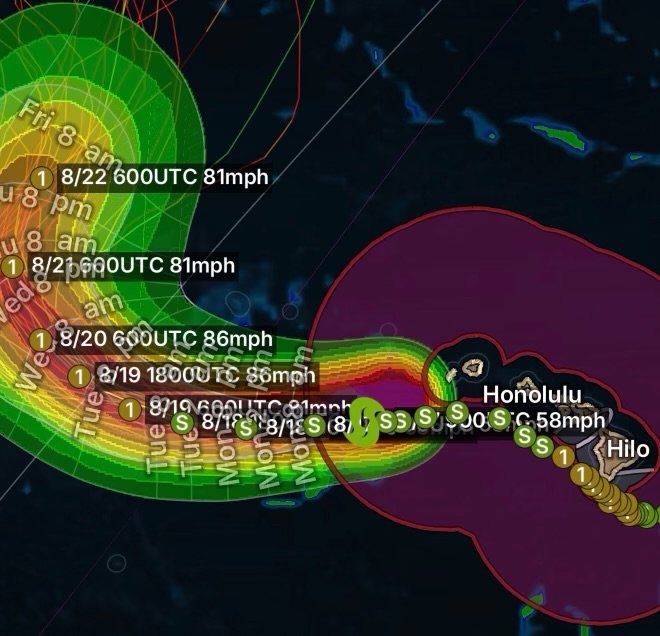
Lala approached Hawaii as a strengthening tropical cyclone before reaching hurricane strength near the Big Island. The storm then passed south of the island chain, with its strongest winds and heaviest rainfall affecting portions of the Big Island and spreading westward toward Maui County, Oahu and Kauai County.
By August 17, Lala had weakened to a tropical storm and was continuing westward away from the main islands. However, forecasters continued to monitor the system because dangerous rainfall, surf, rip currents and storm-related hazards could persist even as the center moved farther away. (https://www.kwqc.com)
Why Lala Produced So Much Rain
Tropical cyclones can transport enormous quantities of tropical moisture. When that moisture encounters Hawaii’s mountainous terrain, air is forced upward, allowing rainfall to become especially intense on windward slopes.
Lala produced extraordinary rainfall totals on portions of the Big Island. Forecast rainfall in some windward areas reached 30 to 40 inches, creating a serious risk of flash flooding, mudslides and rapidly rising streams. (https://www.kwqc.com)
Tropical Storm Warning and Storm Conditions
Tropical Storm Warnings were used during Lala’s passage to communicate the threat of tropical-storm-force winds and associated hazards.
As the storm moved west, warnings were adjusted and eventually discontinued for areas no longer experiencing the direct tropical-cyclone threat. Even after a warning ends, however, residents should not assume that all hazards have disappeared.
Flooded roads, unstable slopes, debris, damaged structures and downed electrical lines can remain dangerous well after the strongest winds have passed.
Tropical Cyclone Statement: Why These Updates Matter
A Tropical Cyclone Statement provides important information about the storm’s latest position, strength, movement, watches and warnings, and expected impacts.
During Lala, these updates were particularly important because the storm’s intensity and track changed as it interacted with Hawaii’s terrain and surrounding atmospheric conditions.
Residents should continue monitoring official weather information rather than relying only on the storm’s category or distance from the islands.
Hawaii County Power Outages Become a Major Concern
One of the most significant consequences of Lala was widespread damage to the electrical grid.
Power outages occurred across multiple Hawaiian communities as strong winds brought down trees and power lines. Flooding and damaged roads also complicated access for utility and emergency crews. More than 180,000 utility customers across Hawaii were reported without power at one point during the storm’s aftermath, while earlier reports showed outages exceeding 200,000 customers. (Reuters)
Hawaii County
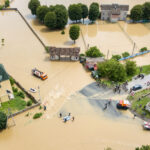
The Big Island experienced some of Lala’s most severe impacts, including extensive flooding, infrastructure damage, downed trees and utility disruptions.
Some communities also faced difficult road access because floodwaters and damaged bridges interfered with transportation.
Maui County
Maui County experienced strong winds, heavy rainfall and tropical-storm conditions as Lala moved westward. Additional rainfall remained capable of producing localized flooding and mudslides, particularly around steep terrain. (https://www.hawaiinewsnow.com)
Honolulu County
Oahu also experienced widespread storm impacts, including downed trees, power lines, roof damage and flooding. Honolulu emergency responders reported hundreds of weather-related incidents during the storm. (AP News)
Kauai County
As Lala moved westward, Kauai County remained an area of concern for tropical-storm impacts. Rainfall, gusty winds, high surf and dangerous marine conditions remained possible as the storm passed south of the island. (https://www.kwqc.com)
Small Craft Advisory: Dangerous Hawaiian Waters
Lala’s impacts were not limited to land.
Large swells and strong winds created hazardous conditions across Hawaiian waters. A Small Craft Advisory signals that conditions may become dangerous for smaller vessels because of strong winds, rough seas or other marine hazards.
Even as Lala moves farther away, its swells can continue propagating across the Pacific. Large waves and strong currents may remain dangerous for boaters, swimmers, surfers and anyone near exposed shorelines.
Flooding and Mudslides Remain a Concern
The storm’s weakening does not immediately eliminate the flooding threat.
Rainfall can continue accumulating after the center of a tropical cyclone moves away. Saturated soil also becomes more vulnerable to landslides and mudslides, particularly on steep Hawaiian terrain.
Residents should avoid flooded roadways and never drive through moving water. Roads can be undermined beneath the surface even when water appears relatively shallow.
What Residents Should Do Now
Stay Away From Downed Power Lines
Treat every downed line as energized. Keep people and pets away and report damaged electrical infrastructure to the appropriate utility or emergency authorities.
Avoid Flooded Roads
Floodwater can hide washed-out pavement, debris and damaged bridges. Turn around rather than attempting to cross flooded roads.
Use Generators Safely
Generators should only be operated outdoors and well away from buildings, doors and windows because carbon monoxide can build up rapidly indoors.
Continue Monitoring Weather Updates
Residents should continue monitoring official forecasts, Tropical Cyclone Statements, flood alerts, marine advisories and local emergency-management information.
Lala’s Impact Shows Why Tropical Storms Can Be Dangerous
Lala demonstrates why the danger from a tropical cyclone cannot be judged solely by its category.
The storm weakened from hurricane strength to a tropical storm, yet it continued producing damaging winds, intense rainfall, flooding, dangerous surf and widespread infrastructure problems. (https://www.kwqc.com)
For Hawaii, the combination of tropical moisture, mountainous terrain, strong winds and exposed coastal communities created a complex and dangerous weather situation.
Radar Watch HQ Final Thoughts
Tropical Storm Lala is moving away from the main Hawaiian Islands, but recovery and cleanup will take time. Flooding, damaged infrastructure, power outages, unstable slopes and dangerous marine conditions can continue after the center of a tropical cyclone has departed.
For residents and visitors, the most important message is simple: the end of the warning does not necessarily mean the end of the danger. Continue following official guidance and give emergency and utility crews room to work.
Stay weather aware, stay informed and stay safe with Radar Watch HQ.