Marine Weather Statement Issued for Offshore Waters
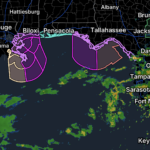
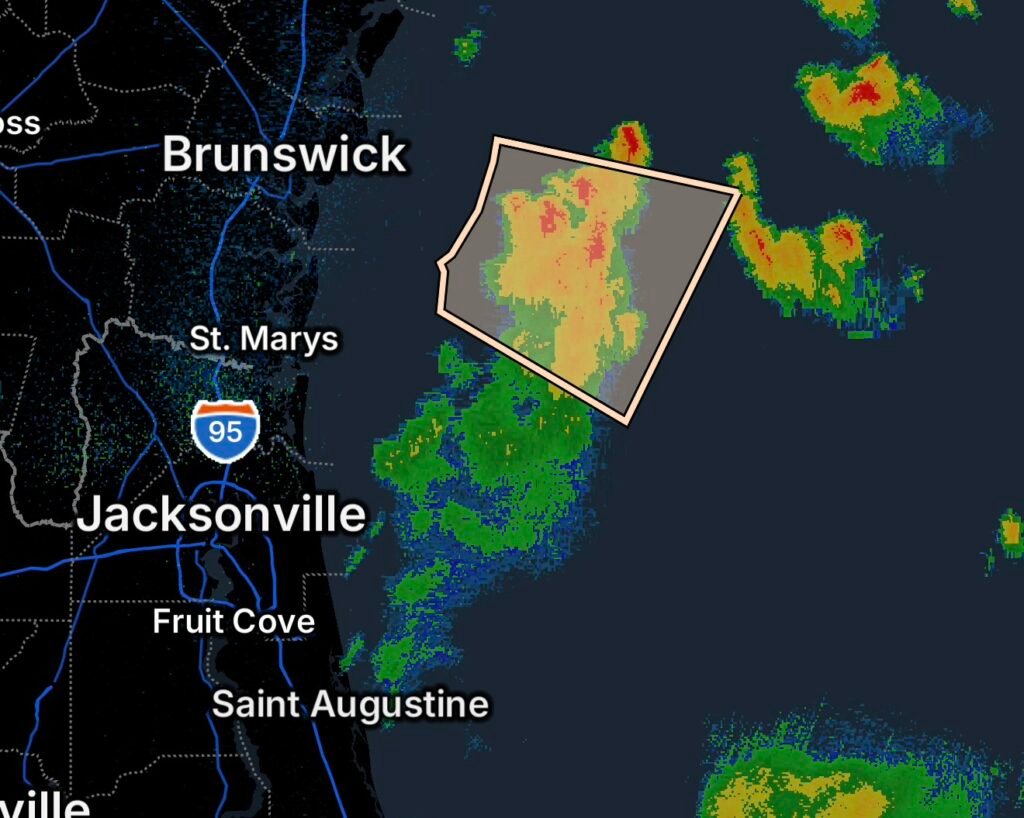
A Marine Weather Statement is highlighting strong thunderstorms over portions of the Atlantic waters between coastal Georgia and northeast Florida on Wednesday, August 26, 2026. Mariners operating offshore should remain alert for rapidly changing conditions, especially around thunderstorms.
The National Weather Service Jacksonville office reported a strong thunderstorm over the offshore waters capable of producing winds around 30 knots, along with lightning and locally higher waves. (National Weather Service)
The affected marine zone includes waters from Altamaha Sound, Georgia, to Fernandina Beach, Florida, from 20 to 60 nautical miles offshore. (National Weather Service)
Where Conditions Could Become Dangerous
Offshore Georgia to Northeast Florida
The marine area stretches well offshore from the Georgia coastline toward northeast Florida. Although overall marine conditions may appear relatively manageable outside of storms, thunderstorms can produce sudden and significant changes.
The current coastal waters forecast calls for generally south winds of 5 to 10 knots and seas around 2 feet Wednesday, with thunderstorms possible. Wednesday night, winds are expected to increase to 10 to 15 knots, with seas around 2 to 3 feet. (National Weather Service)
However, winds and seas can become considerably higher in and near thunderstorms.
Thunderstorms Are the Main Hazard
The biggest concern is not necessarily the background wind or wave conditions. Instead, thunderstorms can quickly create hazardous conditions for boaters.
Strong storms may produce:
- Wind gusts around 30 knots or higher
- Rapidly building waves
- Frequent lightning
- Heavy rainfall
- Sudden reductions in visibility
- Dangerous conditions for smaller vessels
The National Weather Service advises mariners to seek safe harbor when strong thunderstorms approach. (National Weather Service)
Why Thunderstorms Are a Marine Threat
Thunderstorms can generate powerful downdrafts that spread outward when they reach the surface. This can create sudden wind gusts that arrive well ahead of the heaviest rain.
For boaters, that means conditions can deteriorate within minutes.
Lightning is another major concern. An otherwise calm offshore environment can become dangerous when a thunderstorm moves nearby, particularly because there may be limited opportunities to reach shelter quickly.
If caught on open water during intense lightning, mariners should remain below deck when possible and avoid contact with ungrounded metal objects. (National Weather Service)
Marine Forecast Through the Weekend
The broader marine pattern remains favorable for recurring thunderstorms across the local waters.
A stalled frontal boundary near Georgia is expected to remain in place, while thunderstorms developing near the coast can move across the offshore waters. The National Weather Service expects the greatest thunderstorm activity mainly during the late afternoon and evening hours, although storms can occur at other times. (National Weather Service)
The forecast calls for:
Wednesday: South winds 5–10 knots; seas around 2 feet; slight chance of morning thunderstorms.
Wednesday night: South winds 10–15 knots; seas 2–3 feet; slight chance of thunderstorms.
Thursday: Southwest winds 5–10 knots, increasing to 10–15 knots during the afternoon; seas 2–3 feet.
Thursday night: South winds 10–15 knots; seas 2–3 feet; chance of thunderstorms.
Friday: Southwest winds 5–10 knots, becoming southeast during the afternoon; seas 2–3 feet.
Saturday through Sunday: East winds 5–10 knots; seas 2–3 feet with continued chances for showers and thunderstorms. (National Weather Service)
What Mariners Should Do
Before heading offshore, check the latest marine forecast and any updated Marine Weather Statements.
If thunderstorms develop nearby:
- Head toward safe harbor immediately when practical.
- Monitor NOAA Weather Radio or a reliable marine weather source.
- Keep everyone aboard away from exposed areas during lightning.
- Secure loose equipment before storms arrive.
- Slow down and maintain a safe distance from thunderstorms.
- Watch for sudden wind shifts and rapidly increasing waves.
- Never assume calm conditions will continue simply because seas are currently low.
Small Boats Face Greater Risk
Smaller vessels can be particularly vulnerable to sudden 30-knot wind gusts, lightning, heavy rain, and rapidly changing wave conditions.
Even when the forecast outside thunderstorms calls for relatively modest seas, conditions immediately beneath or near a strong storm can be much more hazardous.
Radar Watch HQ Final Thoughts
The August 26, 2026 Marine Weather Statement is an important reminder that offshore conditions can change rapidly when thunderstorms develop. The waters from Altamaha Sound to Fernandina Beach, 20 to 60 nautical miles offshore, remain vulnerable to strong storms capable of producing around 30-knot winds, lightning, and locally higher waves. (National Weather Service)
For mariners, the safest approach is to monitor weather conditions continuously and avoid remaining in open water when strong thunderstorms are approaching.
Stay weather-aware, know your escape route, and never underestimate a thunderstorm over the Atlantic.
Radar Watch HQ Top 5 Marine Essentials
Affiliate Disclosure: As an Amazon Associate, Radar Watch HQ earns from qualifying purchases.
🌊 1. U.S. Coast Guard-Approved Life Jacket
A properly fitted life jacket is the most important piece of safety equipment for every passenger onboard.
Best for: Recreational boaters, anglers, kayakers, and paddleboarders.
⚓ 2. Marine Emergency Radio (NOAA Weather Radio)
Receive real-time NOAA Weather Radio alerts, marine forecasts, and emergency warnings—even when cell service is unavailable.
Best for: Offshore and coastal boating.
🔦 3. Rechargeable Waterproof LED Flashlight
A bright waterproof flashlight is essential for emergencies, low visibility, nighttime navigation, and signaling for help.
Best for: Every boat emergency kit.
🧰 4. Marine First Aid Kit
A waterproof first aid kit stocked with bandages, antiseptic, medications, and emergency supplies for injuries on the water.
Best for: Every vessel, regardless of size.
🧭 5. Waterproof Dry Bag
Protect phones, wallets, charts, keys, electronics, and emergency supplies from water damage during storms or rough seas.
Best for: Boaters, kayakers, paddleboarders, and beachgoers.
🛒 Radar Watch HQ Marine Safety Picks
Prepare before you head out on the water. Our recommended marine safety essentials can help keep you and your crew safe during changing weather conditions.