Strong Winds and Very Low Humidity Could Fuel Rapid Wildfire Growth
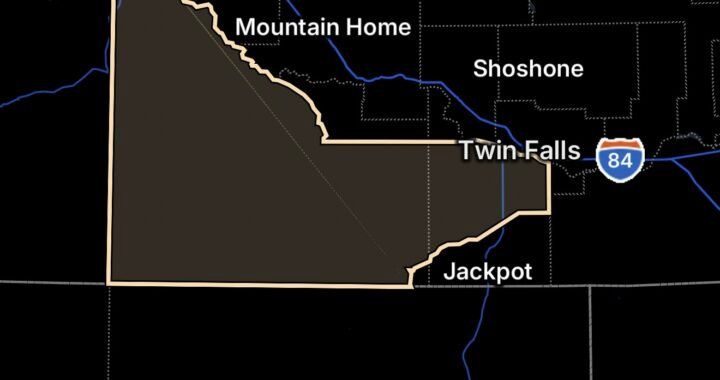
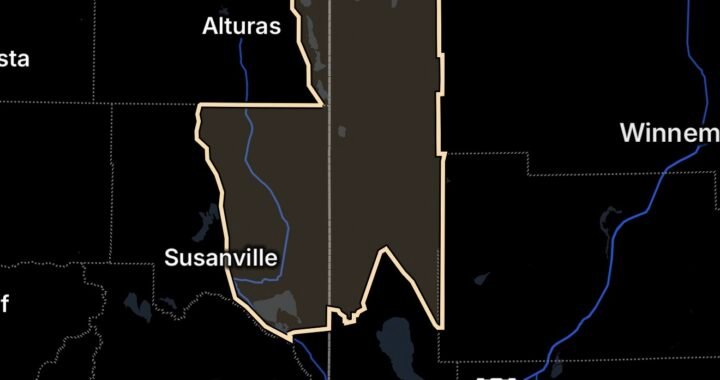
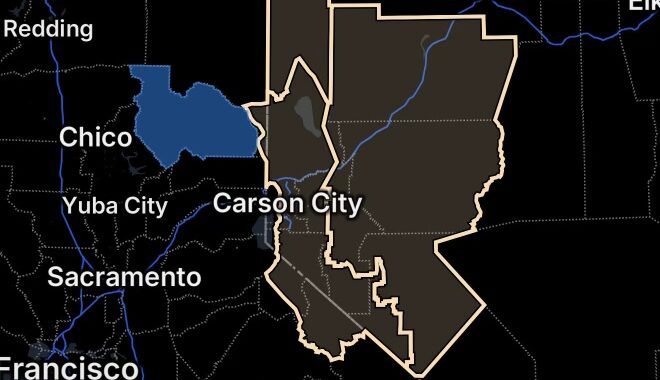
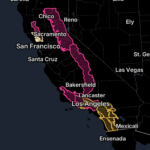
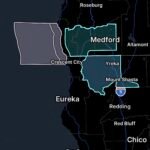
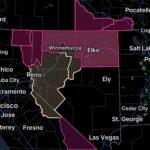
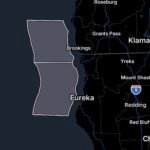
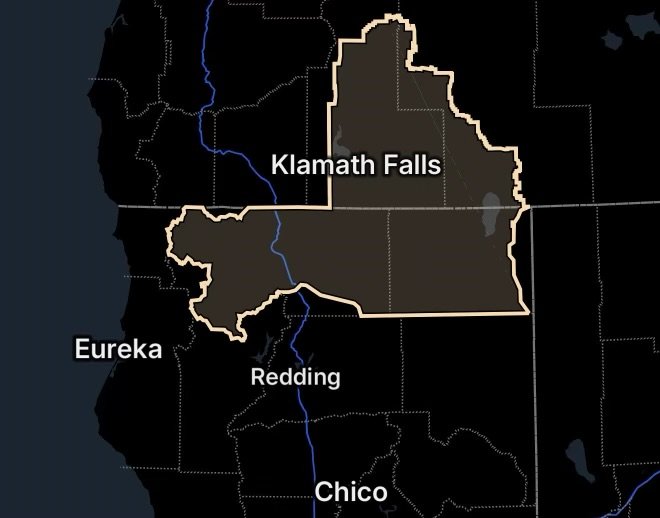
A Fire Weather Watch has been issued for portions of northern California and southern Oregon, with critical fire-weather conditions possible Monday afternoon through Monday evening. The National Weather Service in Medford says strong, gusty winds and very low humidity could allow any new fires to spread rapidly.
The watch covers portions of Siskiyou and Modoc counties in California and the Klamath Basin and Fremont-Winema National Forest areas of Oregon.
When Will Fire Weather Conditions Be Most Critical?
The Fire Weather Watch is in effect from Monday afternoon through Monday evening.
Forecasters are watching the combination of:
- Very dry air
- Strong and gusty winds
- Dry vegetation and fuels
- Rapid fire-spread potential
Minimum relative humidity is expected to fall to approximately 9% to 15% across the affected areas.
These conditions can create a dangerous environment in which a small ignition from equipment, vehicles, debris burning, campfires, or other sources can quickly become a wildfire.
Northern California Fire Weather Threat
The California portion of the Fire Weather Watch includes:
- The Scott Valley in Fire Weather Zone 280
- Fire Weather Zone 281
- Fire Weather Zone 284, except the southeast portion
- Fire Weather Zone 285
The National Weather Service identifies the Scott Valley as a particularly windy area, with south winds of 10 to 20 mph and gusts up to 30 mph possible.
The Shasta Valley could experience even stronger winds, with 15 to 25 mph winds and gusts up to 35 mph. Elsewhere across the affected region, southwest winds of 10 to 20 mph with gusts up to 30 mph are possible.
Why the Combination Matters
Wind and humidity are two of the most important weather ingredients when evaluating wildfire behavior.
When relative humidity drops into the single digits or lower teens, fine fuels such as grasses, leaves, and small branches can become extremely receptive to ignition. Once a fire starts, stronger winds can push flames through these fuels quickly and carry embers ahead of the main fire.
The National Weather Service warns that any fires that develop are likely to spread rapidly under the expected conditions.
Southern Oregon Fire Weather Threat
In Oregon, the Fire Weather Watch covers:
Fire Weather Zone 624, except for the Highway 97 corridor from Modoc Point to Chemult.
This area includes portions of the Klamath Basin and Fremont-Winema National Forest region.
Southwest winds of approximately 10 to 20 mph, with gusts reaching 30 mph, are possible outside the more specifically highlighted wind corridors.
The combination of low humidity and gusty winds could substantially increase the rate at which a wildfire spreads.
Fire Restrictions Become Especially Important
Residents, visitors and recreationists across the affected areas should take fire restrictions seriously during this period.
The National Weather Service recommends:
- Avoid activities that could create sparks.
- Follow all local fire restrictions.
- Be extremely cautious with outdoor equipment.
- Never leave a campfire unattended.
- Properly extinguish fires before leaving an area.
- Avoid parking vehicles on dry grass whenever possible.
- Monitor local emergency information for changing conditions.
Even a seemingly minor ignition could become difficult to control when wind and humidity reach critical levels.
Have a Wildfire Evacuation Plan Ready
A Fire Weather Watch does not mean a wildfire is currently burning in every affected location. Instead, it means that weather conditions capable of supporting dangerous fire behavior are possible during the watch period. The watch could also be upgraded to a Red Flag Warning if confidence in critical conditions increases.
Residents in wildfire-prone areas should use this opportunity to prepare before conditions deteriorate.
Make sure you know:
- Where you would go if an evacuation is ordered.
- Which routes provide multiple ways out of your area.
- How you will receive emergency alerts.
- Where important documents and medications are located.
- What essential items you would take if you had only minutes to leave.
Keep your vehicle fueled and avoid waiting until an evacuation becomes imminent to prepare.
Fire Weather Could Change Quickly
Northern California and southern Oregon remain vulnerable to rapidly changing fire behavior during periods of hot, dry and windy weather. Recent fire-weather products from the Medford forecast office have also included Red Flag Warnings across portions of Modoc County and the Klamath Basin, highlighting the ongoing sensitivity of the region to critical fire conditions.
Because weather conditions can change quickly, residents should continue monitoring updated forecasts and official emergency information throughout the event.
Radar Watch HQ Final Thoughts
The upcoming Fire Weather Watch serves as an important reminder that wildfire risk can increase dramatically when dry fuels, very low humidity and strong winds occur together.
For northern California and southern Oregon, Monday could bring a particularly dangerous combination of these ingredients. Residents across the Scott Valley, Shasta Valley, Modoc County and affected portions of the Klamath Basin should avoid unnecessary fire starts and remain prepared for rapidly changing conditions.
Stay alert, follow fire restrictions, and have a wildfire evacuation plan ready before conditions become critical.
Affiliate Disclosure: As an Amazon Associate, Radar Watch HQ earns from qualifying purchases.
Radar Watch HQ Top 5 Essentials – Wildfire Preparedness
Helps reduce exposure to wildfire smoke, ash, and fine particles.
Provides alerts during power outages or when cell service is unavailable.
Go Bag / Emergency Preparedness Kit
Includes important documents, medications, water, food, flashlights, and basic supplies for quick evacuation.
Fire-Resistant Outdoor Supplies
Items such as fire-resistant gloves, protective clothing, and tools for creating defensible space around property.
Portable Power Bank & Backup Charging Supplies
Keeps phones and emergency devices powered during wildfire emergencies.