Flood Watch Raises Concern Across Montana
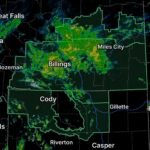
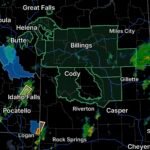
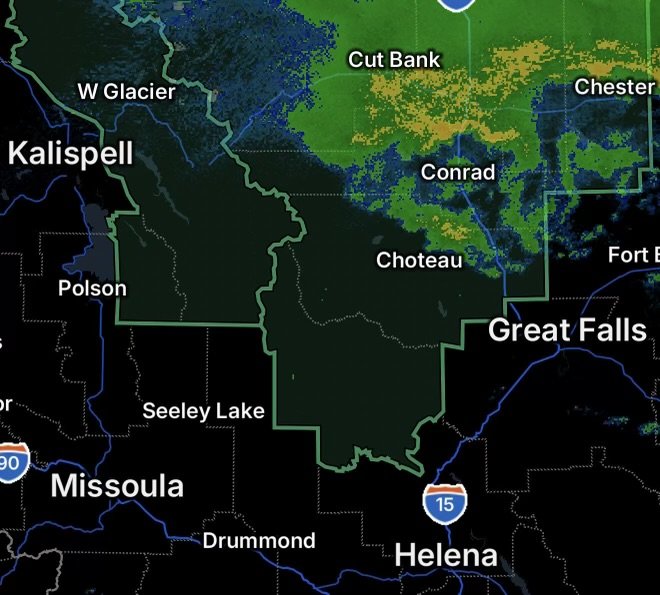
A Flood Watch is in effect for portions of northwest and north central Montana, where periods of heavy rainfall could produce flooding in vulnerable areas. The threat includes mountain communities, foothills, plains, and locations near streams and drainage areas.
The watch includes the West Glacier Region, including Glacier National Park, as well as several areas across north central Montana. Because rainfall can quickly increase water levels in creeks and rivers, residents and visitors should remain alert to changing conditions.
Areas Included in the Flood Watch
Northwest Montana
The Flood Watch covers:
- West Glacier Region, including Glacier National Park
Heavy rain in mountainous terrain can produce rapid runoff. In addition, hikers, campers, and visitors near rivers and streams should be especially cautious because water levels can rise quickly.
North Central Montana
The Flood Watch also includes:
- East Glacier Park Region
- Eastern Glacier
- Western Toole
- Central Pondera
- Eastern Pondera
- Eastern Teton
- Eastern Toole
- Liberty
- Northern High Plains
- Southern High Plains
- Southern Rocky Mountain Front
These areas include a mix of mountains, foothills, agricultural land, rural communities, and transportation corridors. Consequently, localized flooding could affect roads, low-water crossings, drainage systems, and areas along small streams.
Why Heavy Rain Can Become a Flood Threat
Flooding does not require widespread rainfall across an entire region. Instead, intense rainfall concentrated over a small area can overwhelm drainage systems and cause water to collect rapidly.
Mountain terrain can make the situation more complicated. Rainfall running downhill can quickly feed creeks and drainage channels. Meanwhile, saturated ground may have less capacity to absorb additional water.
Furthermore, thunderstorms can produce locally intense rainfall, meaning conditions may vary considerably from one community to another.
Glacier National Park Visitors Should Stay Alert
The inclusion of the West Glacier Region and Glacier National Park makes this Flood Watch especially important for outdoor recreation.
Visitors should monitor weather conditions before and during hikes or camping trips. Avoid camping immediately beside streams or other low-lying drainage areas, and never attempt to cross a flooded trail, roadway, or stream.
Remember: Turn Around, Don’t Drown. Moving water can be deeper and faster than it appears.
Flood Safety Tips
If heavy rain develops, residents and visitors should:
- Monitor local weather updates and emergency notifications.
- Avoid flooded roads and low-water crossings.
- Never drive through water covering a roadway.
- Stay away from rapidly flowing creeks and rivers.
- Move to higher ground if flooding begins nearby.
- Keep children and pets away from floodwater.
- If camping, move away from stream channels and low-lying areas.
- Follow instructions from local emergency officials.
Be Especially Careful at Night
Flooding becomes harder to recognize after dark. Water over a roadway may hide washed-out pavement, debris, or dangerous currents.
Therefore, if heavy rain is occurring overnight, avoid unnecessary travel through areas under the Flood Watch.
What to Watch Through the Day
Weather conditions can change quickly during a Flood Watch. Rainfall intensity, storm development, and water levels will determine where the greatest flooding problems occur.
Residents across Glacier, Toole, Pondera, Teton, Liberty, and the surrounding high plains and Rocky Mountain Front areas should continue monitoring updated forecasts and any subsequent flood warnings.
A Flood Watch means conditions are favorable for flooding; it does not necessarily mean flooding is occurring everywhere within the watch area. If a Flood Warning is issued for your location, take action immediately.
Radar Watch HQ Final Thoughts
The combination of heavy rainfall, mountainous terrain, and vulnerable drainage areas makes this Flood Watch important across portions of northwest and north central Montana. From Glacier National Park and the West Glacier Region to the Northern and Southern High Plains and Rocky Mountain Front, localized flooding could develop where rainfall becomes concentrated.
Stay weather-aware, avoid flooded roads and waterways, and be prepared to move to higher ground if conditions deteriorate.
Radar Watch HQ will continue highlighting significant weather threats and the potential impacts on communities and travelers.
Stay alert. Stay informed. Stay safe.
Affiliate Disclosure: As an Amazon Associate, Radar Watch HQ earns from qualifying purchases.
Radar Watch HQ Top 5 Essential Emergency Preparedness Picks
Whether you’re preparing for severe thunderstorms, flash flooding, hurricanes, wildfires, or extended power outages, these five emergency essentials can help keep your household safer when severe weather strikes.
A portable power station provides reliable backup electricity during outages, allowing you to power phones, medical devices, laptops, lights, small appliances, and communication equipment without fuel.
Best for:
- Extended power outages
- Severe thunderstorms
- Hurricanes
- Winter storms
- Wildfires
2. Flood Protection Barriers & Sandless Flood Bags
Flood barriers help divert or absorb water before it enters garages, doorways, and low-lying areas. They deploy quickly and can help reduce property damage during flash flooding.
Best for:
- Flash Flood Warnings
- Heavy rainfall
- River flooding
- Coastal flooding
3. Rechargeable LED Flashlights
Bright, dependable flashlights are essential when the power goes out. Rechargeable or solar-powered models provide long-lasting illumination for navigating safely indoors and outdoors.
Best for:
- Overnight power outages
- Emergency evacuations
- Storm damage inspections
Keep phones, tablets, weather radios, and USB-powered devices charged when the electrical grid is unavailable. A solar power bank offers an additional charging option during prolonged emergencies.
Best for:
- Communication during outages
- Emergency weather alerts
- Travel and evacuation
A NOAA Weather Radio delivers official weather alerts directly from the National Weather Service, even when cellular networks or internet service are unavailable. It remains one of the most dependable ways to receive life-saving warnings.
Best for:
- Tornado warnings
- Severe thunderstorm warnings
- Flash flood warnings
- Hurricane alerts
- Winter storm emergencies
Why Radar Watch HQ Recommends These Essentials
At Radar Watch HQ, preparedness is just as important as staying informed. These five emergency essentials can help you stay connected, protect your property, and safely navigate severe weather events. Having supplies ready before storms arrive allows you to respond quickly when warnings are issued and conditions begin to deteriorate.