

Extreme Heat and Air Quality Threats Expand Across Southern California
A widespread Extreme Heat Warning is affecting portions of Southern California on Sunday, October 4, 2026, with dangerous temperatures expected across desert, inland, coastal and valley communities.
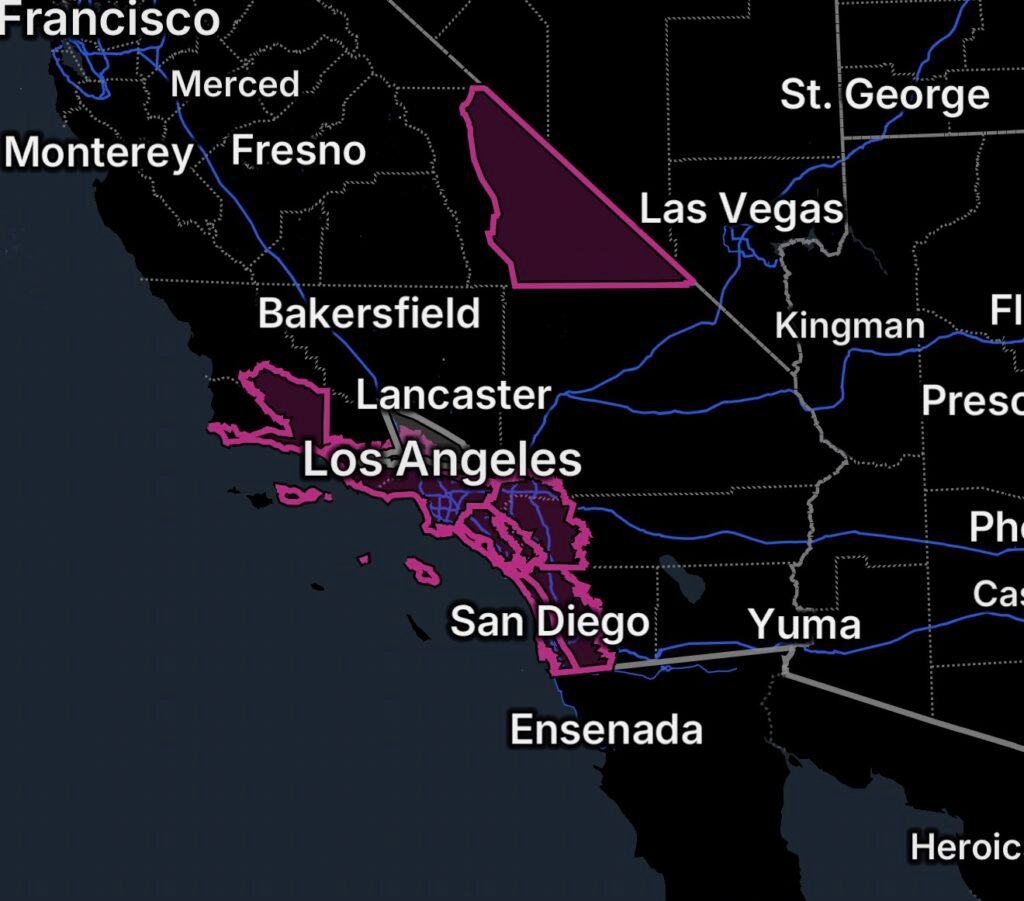
The heat threat stretches from Death Valley National Park through the Los Angeles and Ventura County region, the Santa Barbara area, the Inland Empire and the valleys of San Diego County. (National Weather Service)
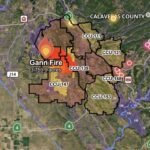
At the same time, an Air Quality Alert has been issued for the Santa Clarita Valley, Interstate 5 corridor and Angeles National Forest because of increased fine-particle pollution from wildfire smoke. (National Weather Service)
These conditions create two separate but important hazards: extreme heat exposure and degraded air quality from smoke.
🔥 Extreme Heat in Death Valley National Park
One of the most dangerous areas is Death Valley National Park below 2,000 feet.
The National Weather Service has issued an Extreme Heat Warning from 11 AM Sunday through 8 PM Friday, October 9. High temperatures are expected to approach 110°F, while overnight lows may remain around 85°F. (National Weather Service)
These conditions can produce major heat impacts, particularly for anyone without adequate hydration or access to cooling.
Visitors should avoid strenuous outdoor activity during the hottest part of the day and carry substantially more water than they expect to need.
🌡️ Santa Barbara County and Cuyama Valley
An Extreme Heat Warning also covers:
- Cuyama Valley
- Santa Barbara County Interior Mountains
- Santa Barbara County Southeastern Coast
- Santa Barbara County Southwestern Coast
- Santa Cruz and Anacapa Islands
- Santa Ynez Mountains Eastern Range
- Santa Ynez Mountains Western Range
Temperatures may reach 85°F along the coast and around 100°F in the mountains and Cuyama Valley. The warning remains in effect through 8 PM Thursday, October 8. (National Weather Service)
Although coastal temperatures are lower than those expected inland, prolonged heat can still become hazardous, particularly for vulnerable individuals.
🌴 Los Angeles and Ventura Counties
The coast and valleys of Los Angeles and Ventura counties are also under an Extreme Heat Warning.
The National Weather Service forecasts temperatures reaching approximately 90°F along the coast and 105°F in the valleys. The warning remains in effect through 8 PM Thursday, October 8. (National Weather Service)
Affected communities include portions of the Los Angeles basin, San Fernando Valley, Santa Clarita Valley, San Gabriel Valley, Ventura County valleys and surrounding areas.
The National Weather Service warns that heat-related illnesses increase significantly during extreme heat events. (National Weather Service)
🌡️ Inland Empire Faces Dangerous Heat
The San Bernardino and Riverside County valleys — the Inland Empire — are also under an Extreme Heat Warning.
High temperatures are expected to reach the upper 90s to 103°F, while nighttime temperatures may remain in the low to mid-70s. The warning continues through 8 PM Thursday, October 8. (National Weather Service)
Warm overnight temperatures are especially concerning because they provide less opportunity for the body to recover from daytime heat.
☀️ San Diego County Valleys
The San Diego County valleys are also included in the Extreme Heat Warning.
Communities including Escondido, Poway, San Marcos, Santee, La Mesa and El Cajon are within the warned area. The warning remains in effect through Thursday evening, October 8. (National Weather Service)
Residents should limit prolonged exposure to the afternoon heat and make sure people who are vulnerable to heat illness have access to air conditioning or another cool environment.
🚨 Air Quality Alert for Santa Clarita and Angeles National Forest
Along with the heat, an Air Quality Alert is in effect because of wildfire smoke.
The alert covers:
- Santa Clarita Valley
- Interstate 5 corridor
- Angeles National Forest
- Santa Susana Mountains
- Western San Gabriel Mountains and Highway 14 corridor
The South Coast Air Quality Management District issued the alert because of increased fine-particle pollution from wildfire smoke. Pollution levels can vary depending on fire activity and local weather conditions. (National Weather Service)
The current alert runs from 8 PM Saturday, October 3, through 8 PM Sunday, October 4. (National Weather Service)
🌫️ Heat and Smoke Can Create Added Stress
Extreme heat and wildfire smoke can each place stress on the body. People who spend significant time outdoors may be exposed to both hazards at the same time.
Residents in the smoke-affected areas should consider reducing strenuous outdoor activity, particularly when smoke becomes visibly heavier or air quality deteriorates.
Keep windows and doors closed when practical if outdoor smoke is heavy, and use indoor air filtration if available.
🥵 Heat Safety Essentials
During extreme heat:
- 💧 Drink plenty of fluids throughout the day.
- ❄️ Spend time in air-conditioned or otherwise cool locations.
- 🌞 Avoid prolonged direct sun exposure.
- 🏃 Reduce strenuous outdoor activity during peak afternoon heat.
- 👵 Check on older adults and people who may be especially vulnerable to heat.
- 🐕 Never leave children or pets inside a parked vehicle.
- 🚗 Check the back seat before leaving your vehicle.
- 🌙 Take warm overnight temperatures seriously because they can limit recovery from daytime heat.
The National Weather Service specifically advises staying hydrated, remaining in air-conditioned spaces when possible, staying out of the sun and checking on relatives and neighbors. (National Weather Service)
🌫️ Air Quality Safety
For areas affected by wildfire smoke:
- Limit strenuous outdoor activity when smoke is present.
- Keep windows and doors closed when practical.
- Use air conditioning or filtration systems that can reduce indoor particle pollution.
- Check current air-quality conditions before exercising outdoors.
- People who develop breathing difficulty, chest discomfort or other serious symptoms should seek medical attention.
Smoke concentrations can vary considerably over short distances and can change as winds and fire behavior change. (National Weather Service)
📍 Areas Under Extreme Heat Warnings
The October 4 heat threat includes:
Death Valley National Park: Elevations below 2,000 feet.
Santa Barbara County region: Cuyama Valley, interior mountains, southeastern and southwestern coastal areas, Santa Cruz and Anacapa Islands, and the eastern and western Santa Ynez Mountains.
Los Angeles and Ventura counties: Coast and valleys.
Inland Empire: San Bernardino and Riverside County valleys.
San Diego County: Valleys.
📍 Area Under Air Quality Alert
Los Angeles County region: Santa Clarita Valley, Interstate 5 corridor and Angeles National Forest, including nearby mountain areas affected by wildfire smoke. (National Weather Service)
Essentials
📅 Date: October 4, 2026
🔥 Primary hazard: Extreme heat
🌫️ Additional hazard: Wildfire smoke and fine-particle pollution
🌡️ Hottest area: Death Valley National Park below 2,000 feet, with temperatures near 110°F
📍 Major affected regions: Death Valley, Santa Barbara, Los Angeles, Ventura, Inland Empire and San Diego County valleys
⚠️ Air Quality Alert: Santa Clarita Valley, I-5 corridor and Angeles National Forest
⏰ Heat warnings: Many areas continue through Thursday, October 8; Death Valley through Friday, October 9
Bottom Line
Extreme Heat Warnings are affecting a large portion of Southern California on October 4, 2026, with temperatures ranging from the 80s along some coastal areas to around 110°F in lower elevations of Death Valley National Park. (National Weather Service)
At the same time, wildfire smoke is creating an Air Quality Alert around the Santa Clarita Valley, I-5 corridor and Angeles National Forest. (National Weather Service)
Stay hydrated, seek air conditioning or other cooling when needed, avoid strenuous activity during the hottest hours, and monitor air-quality conditions if you are in a smoke-affected area.