
Elevated Ozone Levels Expected Across the Denver Metro Region
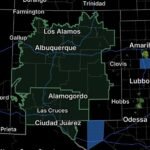
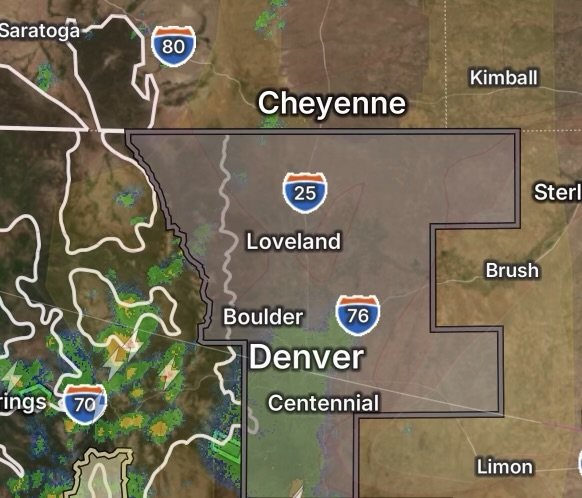
Residents across Colorado’s Front Range should prepare for degraded air quality as an Air Quality Alert (Ozone Action Day Alert) remains in effect for Douglas, Jefferson, Denver, western Arapahoe, western Adams, Broomfield, Boulder, Larimer, and Weld Counties. Health officials warn that ozone concentrations may reach the Unhealthy for Sensitive Groups category during the afternoon and evening hours, especially in and around the Denver metropolitan area.
What Is Causing the Air Quality Alert?
The Colorado Department of Public Health and Environment issued the alert because hot temperatures, abundant sunshine, and light winds create ideal conditions for ground-level ozone to form. These stagnant weather patterns allow pollutants from vehicles, industry, and other sources to react in sunlight, increasing ozone concentrations across the Front Range.
Areas Included in the Alert
The Air Quality Alert includes:
- Douglas County
- Jefferson County
- Denver County
- Western Arapahoe County
- Western Adams County
- Broomfield County
- Boulder County
- Larimer County
- Weld County
The alert is in effect from 4:00 PM Monday through 12:00 AM Tuesday, when ozone levels are expected to be at their highest.
Who Is Most at Risk?
Elevated ozone can affect everyone, but the greatest health risks are for:
- Children and teenagers
- Older adults
- Individuals with asthma or other respiratory conditions
- People with heart disease
- Anyone exercising or working outdoors for extended periods
Symptoms may include coughing, throat irritation, shortness of breath, chest discomfort, and reduced lung function.
How to Stay Safe During Poor Air Quality
During periods of elevated ozone:
- Limit strenuous outdoor activities during the afternoon and evening.
- If possible, exercise early in the morning when ozone levels are typically lower.
- Keep windows closed if outdoor air quality deteriorates.
- Use air conditioning with a clean filter if available.
- Follow your healthcare provider’s guidance if you have asthma or another respiratory illness.
- Reduce vehicle trips, avoid unnecessary idling, and postpone gasoline-powered lawn equipment use when possible to help reduce ozone pollution.
Looking Ahead
Forecasters expect ozone concentrations to improve after the alert expires as weather conditions become more favorable for dispersing pollutants. However, additional hot summer days may lead to future Ozone Action Day Alerts across the Denver metro region. Residents should continue monitoring local forecasts and air quality updates.
Stay informed with Radar Watch HQ for the latest weather alerts, air quality updates, and emergency preparedness information across the United States. Follow us for timely forecasts and safety information that help keep your family prepared.
Radar Watch HQ Air Quality Essentials
Affiliate Disclosure: As an Amazon Associate, Radar Watch HQ earns from qualifying purchases.
- HEPA Air Purifier – Helps remove smoke, dust, pollen, and fine particulate matter (PM2.5) from indoor air.
- N95 Respirator Masks – Provides added protection when outdoor air quality reaches unhealthy levels.
- Portable Air Quality Monitor – Tracks indoor PM2.5, AQI, temperature, and humidity in real time.
- Replacement HEPA Air Filters – Keep home HVAC systems and air purifiers operating efficiently during extended air quality events.
- Portable Battery Power Station – Keeps air purifiers, fans, phones, and other essential devices powered during outages caused by severe weather or wildfire-related emergencies.