
Category 2 Hurricane Nolo Impacts Hawaii
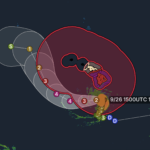
Hurricane Nolo is producing significant weather and marine hazards across the Hawaiian Islands as the storm moves slowly near Hawaii.
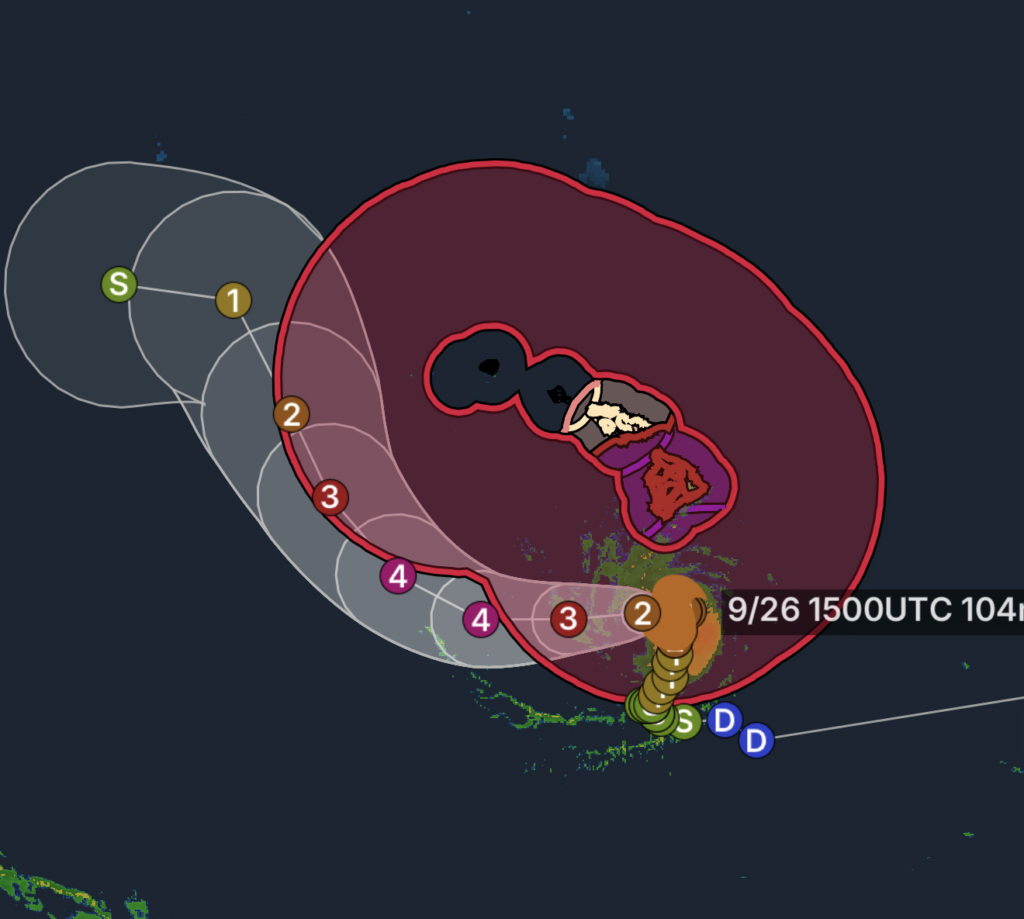
The National Weather Service reported Nolo with maximum sustained winds of 105 mph on September 25, making it a Category 2 hurricane. At that time, the center was approximately 145 miles south of South Point on Hawaii Island. (NHC)
Maui County remains vulnerable to tropical-storm-force winds, heavy rainfall, flooding, and hazardous surf. Maui County officials have urged residents to remain vigilant because conditions can change as Nolo moves and strengthens. (Maui County)
Hurricane and Tropical Storm Marine Alerts
Multiple marine zones around Hawaii are being affected by tropical cyclone-related warnings and watches.
The latest NWS marine information shows a Tropical Storm Watch for the Kaiwi Channel, Maui County Windward Waters, Maui County Leeward Waters, Maalaea Bay, and Pailolo Channel. Forecast conditions included east winds of 25 to 35 knots and seas of 10 to 18 feet. (Marine Weather)
These conditions can create dangerous seas capable of capsizing or damaging vessels and sharply reducing visibility.
Dangerous Conditions for Mariners
Hurricane and tropical-storm conditions can make ocean travel extremely dangerous.
Strong winds can produce rapidly building seas, while large waves and reduced visibility can make navigation difficult. Smaller vessels are particularly vulnerable, but larger boats can also encounter dangerous conditions.
Mariners should remain in port or seek safe harbor when tropical cyclone warnings or watches affect their waters.
Maui County Waters Face Elevated Risks
Maui County’s windward and leeward waters, Maalaea Bay, and Pailolo Channel are among the areas facing hazardous marine conditions.
NWS guidance specifically warns that very strong winds can create hazardous seas that may capsize or damage vessels. (Marine Weather)
Residents and visitors should also be aware that tropical weather can produce impacts beyond the immediate center of the hurricane.
Heavy Rain and Flooding Concerns
Nolo is also capable of producing heavy rainfall across portions of Hawaii.
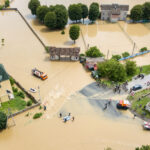
Maui County officials reported that East Maui had the greatest potential for rainfall impacts, while a Flood Watch covered Hawaii Island, Maui, Lanai, Molokai, and Kahoolawe. Significant flooding can occur when heavy rainfall overwhelms streams and drainage systems. (Maui County)
Steep terrain can also increase the risk of runoff and landslides.
Essentials: How to Stay Safe
🌊 For Mariners
- Avoid entering waters affected by hurricane or tropical storm warnings.
- Remain in port or move to a safe harbor.
- Secure boats and equipment before conditions deteriorate.
- Do not underestimate rapidly building seas.
- Monitor the latest NWS marine forecasts.
🏠 For Residents
- Follow instructions from local emergency officials.
- Secure outdoor furniture and loose objects.
- Keep phones and emergency equipment charged.
- Prepare for possible power outages.
- Stay away from dangerous coastal waters and shorebreak.
🌧️ During Heavy Rain
- Avoid streams, drainage channels, and flooded roads.
- Never drive through moving water.
- Be alert for flash flooding and landslides.
- Move to higher ground if flooding threatens.
📱 Stay Informed
Continue monitoring official updates from the National Weather Service Central Pacific Hurricane Center and local emergency management agencies. Hurricane watches and warnings can change as the storm’s track and intensity evolve.
What to Expect Across Hawaii
Nolo’s impacts are not limited to the immediate center of the hurricane. Outer rainbands can produce heavy rainfall and gusty winds well away from the center.
Maui County officials noted that the potential for direct impacts had decreased as Nolo was forecast to pass south of the Hawaiian Islands, but tropical-storm-force winds, heavy rainfall, flooding, and hazardous surf remained possible. (Maui County)
Bottom Line
September 26, 2026: Category 2 Hurricane Nolo continues to pose significant weather and marine hazards around Hawaii. Dangerous winds and seas are a major concern for mariners, while heavy rainfall and flooding remain possible across parts of the islands.
Residents and visitors should stay out of hazardous waters, secure property, monitor official warnings, and be prepared for rapidly changing conditions.
If you’re in a warned marine area, stay in port and take the warning seriously.