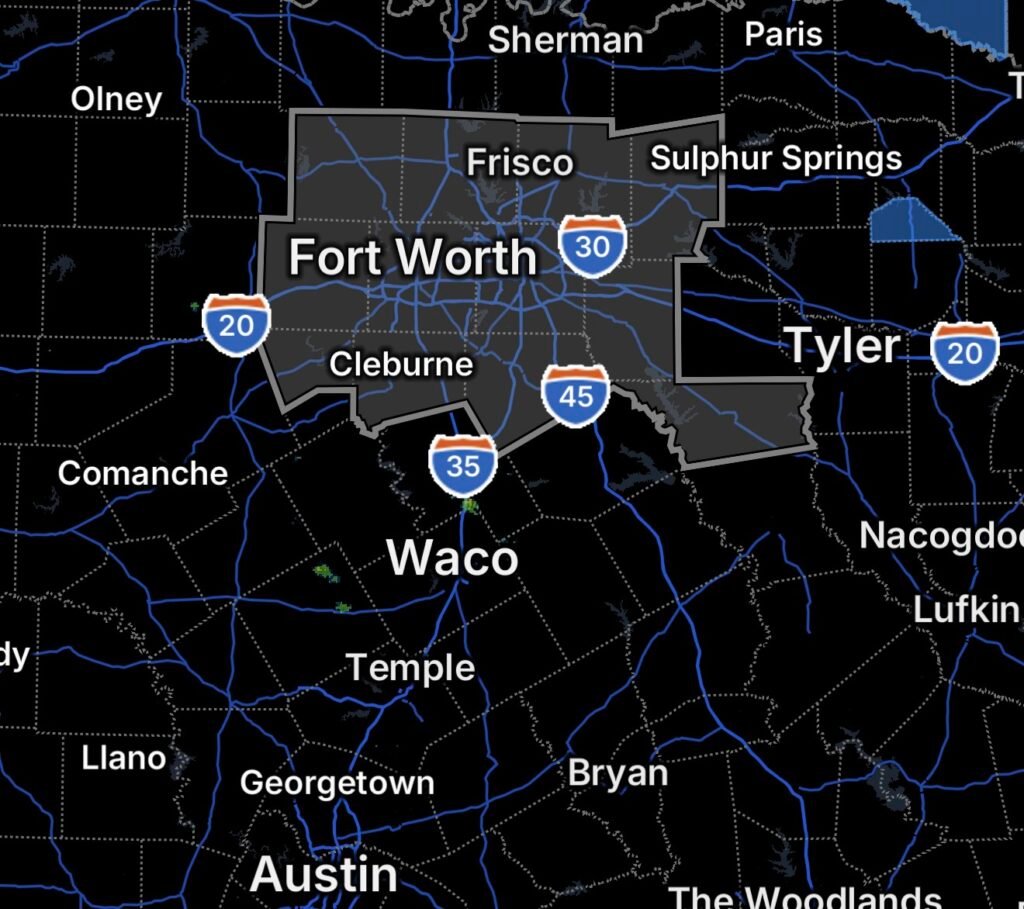
Air Quality Alert Issued for the Dallas-Fort Worth Area
An Ozone Action Day is in effect Thursday, September 24, 2026, from noon through the afternoon across portions of North Texas, including Dallas and surrounding communities. The National Weather Service office in Fort Worth reports that warm temperatures, sunshine and atmospheric conditions are supporting increased ozone pollution.
The alert means that ground-level ozone concentrations may reach levels considered unhealthy for sensitive groups. People who are particularly vulnerable to air pollution should consider reducing prolonged or strenuous outdoor activity during the afternoon.
The Dallas-Fort Worth area is also experiencing unusually warm conditions, with temperatures reaching the mid-to-upper 90s in many locations. The combination of heat, sunshine and limited atmospheric mixing can contribute to ozone formation.
What Is Ground-Level Ozone?
Ground-level ozone is a pollutant that forms when emissions from vehicles, industrial sources and other activities react in sunlight. Unlike the protective ozone layer high in the atmosphere, ground-level ozone can irritate the respiratory system.
Higher concentrations can make breathing more difficult for some people and may aggravate existing respiratory problems.
Who Should Take Extra Precautions?
Sensitive groups can include:
- People with asthma or other respiratory conditions
- Children
- Older adults
- People who are highly active outdoors
- People with certain heart or lung conditions
Even healthy adults may experience irritation or breathing discomfort during periods of elevated ozone, particularly during strenuous outdoor activity.
Essential Safety Tips for Residents
1. Reduce strenuous outdoor activity
Consider postponing intense exercise, outdoor sports and physically demanding work until air quality improves or temperatures are lower.
2. Plan outdoor activities carefully
If you need to be outside, consider going during the morning or evening, when ozone levels are generally lower than during the afternoon.
3. Check air quality reports
Monitor the latest Air Quality Index (AQI) information before spending extended periods outdoors.
4. Keep indoor air clean
Keep windows and doors closed when outdoor air quality is poor if practical, and use appropriate indoor air filtration when available.
5. Reduce vehicle emissions
Residents can help limit ozone formation by reducing unnecessary driving, combining trips, carpooling or using public transportation when practical. The NWS specifically encourages reducing driving or carpooling during an Ozone Action Day.
6. Watch for symptoms
Pay attention to coughing, throat irritation, wheezing, chest discomfort or unusual shortness of breath. Anyone experiencing significant or worsening breathing difficulties should seek appropriate medical attention.
Outlook for North Texas
The hot pattern is expected to continue into the weekend, with temperatures remaining in the 90s. The NWS also indicates that additional rain and thunderstorm chances are expected to return later in the forecast period, with a potential early-fall cold front becoming increasingly likely next week.
Residents should continue monitoring updated forecasts and air-quality information as conditions change.
Full Description
An Air Quality Alert and Ozone Action Day are affecting portions of the Dallas-Fort Worth and North Texas region on September 24, 2026. Warm temperatures, sunshine and atmospheric conditions are favorable for elevated ground-level ozone during the afternoon.
Sensitive groups should limit prolonged or strenuous outdoor activity during the period of greatest ozone pollution. Residents can also help reduce pollution by limiting unnecessary driving, carpooling and combining errands.
With temperatures remaining in the 90s, residents should also take normal heat-safety precautions while outdoors. Check the latest weather and AQI information before planning extended outdoor activities.