Published: July 15, 2026
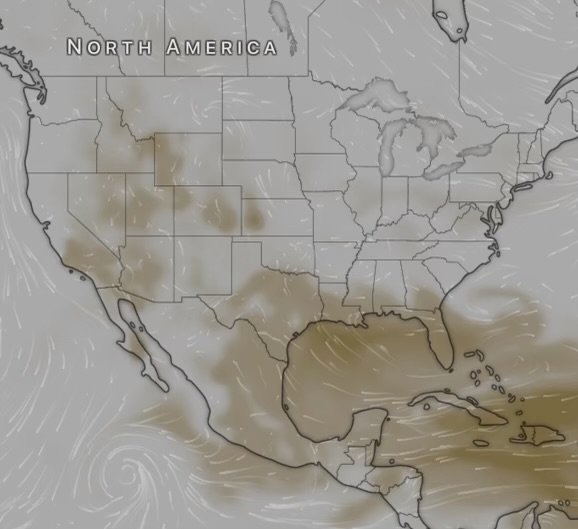
Large dust masses are currently affecting portions of the United States, creating hazy skies, reducing air quality, and influencing weather conditions from the Southwest to the Gulf Coast and beyond. Whether the dust originates from the Sahara Desert or is generated locally by drought and strong winds across the western United States, these airborne particles play an important role in the nation’s weather.
Meteorologists continue to monitor dust plumes as they interact with heat waves, wildfire smoke, and changing atmospheric conditions. Recent Saharan dust has reached the Gulf Coast and southeastern United States, while locally generated blowing dust has affected the Southern Plains and Southwest during periods of high winds and drought.
What Is a Dust Mass?
A dust mass is a large concentration of fine mineral particles suspended in the atmosphere. Dust can travel hundreds—or even thousands—of miles before settling back to the ground.
Common sources include:
- The Sahara Desert in North Africa
- Dry lake beds and deserts in the Southwest U.S.
- Agricultural fields during prolonged drought
- Areas experiencing wildfire burn scars and exposed soils
Strong winds lift these particles high into the atmosphere where upper-level winds transport them across continents and oceans.
How Dust Is Affecting Current U.S. Weather
Hazy Skies
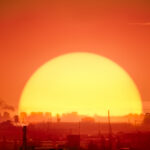
One of the most noticeable impacts is widespread haze. Even under sunny conditions, skies may appear milky or gray as suspended dust scatters sunlight.
Poor Air Quality
Fine dust particles can reduce air quality, especially for:
- People with asthma
- Individuals with COPD
- Children
- Older adults
- Outdoor workers
Sensitive groups should monitor local Air Quality Index (AQI) forecasts during significant dust events.
Increased Heat
Dust can interact with high-pressure systems by limiting cloud development and helping maintain hot, dry conditions. Combined with persistent heat domes, these conditions can lead to prolonged periods of dangerous temperatures across parts of the South and Southwest.
Reduced Visibility
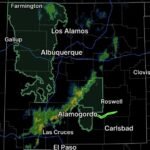
Blowing dust can dramatically reduce visibility, particularly across the Southern Plains and desert regions during strong wind events. These sudden drops in visibility create dangerous driving conditions and have prompted Blowing Dust Advisories in several states.
Dust and Hurricane Season
One of the more fascinating impacts of Saharan dust is its relationship with tropical weather.
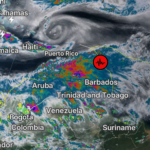
The Saharan Air Layer (SAL) contains very dry, dusty air that often suppresses tropical storm and hurricane development by:
- Introducing dry air into developing systems
- Increasing atmospheric stability
- Producing stronger upper-level winds that can disrupt storm organization
While Saharan dust does not stop every tropical cyclone, significant dust outbreaks often reduce the likelihood of tropical development across portions of the Atlantic Basin.
Wildfire Smoke vs. Dust
Although they may appear similar, wildfire smoke and dust are very different.
Wildfire Smoke
- Produced by burning vegetation
- Contains fine smoke particles and gases
- Creates unhealthy air quality over large regions
Dust
- Made of mineral soil and sand particles
- Lifted by strong winds
- Often accompanies drought, high winds, and fire weather conditions
In some areas, both smoke and dust may occur together, worsening visibility and respiratory concerns.
Areas Most Likely to Experience Dust
Regions most susceptible include:
- Arizona
- New Mexico
- West Texas
- Oklahoma
- Kansas
- Southern Colorado
- Nevada
- California deserts
- Gulf Coast during Saharan dust events
- Florida and portions of the Southeast during Atlantic dust intrusions
Safety Tips During Dust Events
If dust is affecting your area:
- Stay indoors if air quality becomes unhealthy.
- Limit strenuous outdoor activity.
- Wear a properly fitted N95 mask if prolonged outdoor exposure is necessary.
- Drive slowly if visibility is reduced.
- Never drive into a wall of dust—pull completely off the roadway if visibility becomes dangerously low.
- Follow local weather alerts and Air Quality Advisories.
Stay Informed with Radar Watch HQ
Dust events are becoming an increasingly important part of weather forecasting, especially during periods of drought, wildfire activity, and the Atlantic hurricane season. Radar Watch HQ continues to monitor airborne dust, wildfire smoke, severe weather, tropical systems, and other significant weather hazards across the United States.
Stay connected for the latest weather intelligence, severe weather alerts, wildfire updates, and expert analysis to help you stay prepared.
Radar Watch HQ Air Quality Essentials
Affiliate Disclosure: As an Amazon Associate, Radar Watch HQ earns from qualifying purchases.
- HEPA Air Purifier – Helps remove smoke, dust, pollen, and fine particulate matter (PM2.5) from indoor air.
- N95 Respirator Masks – Provides added protection when outdoor air quality reaches unhealthy levels.
- Portable Air Quality Monitor – Tracks indoor PM2.5, AQI, temperature, and humidity in real time.
- Replacement HEPA Air Filters – Keep home HVAC systems and air purifiers operating efficiently during extended air quality events.
- Portable Battery Power Station – Keeps air purifiers, fans, phones, and other essential devices powered during outages caused by severe weather or wildfire-related emergencies.