






Extreme Heat Warning Continues Across the Region
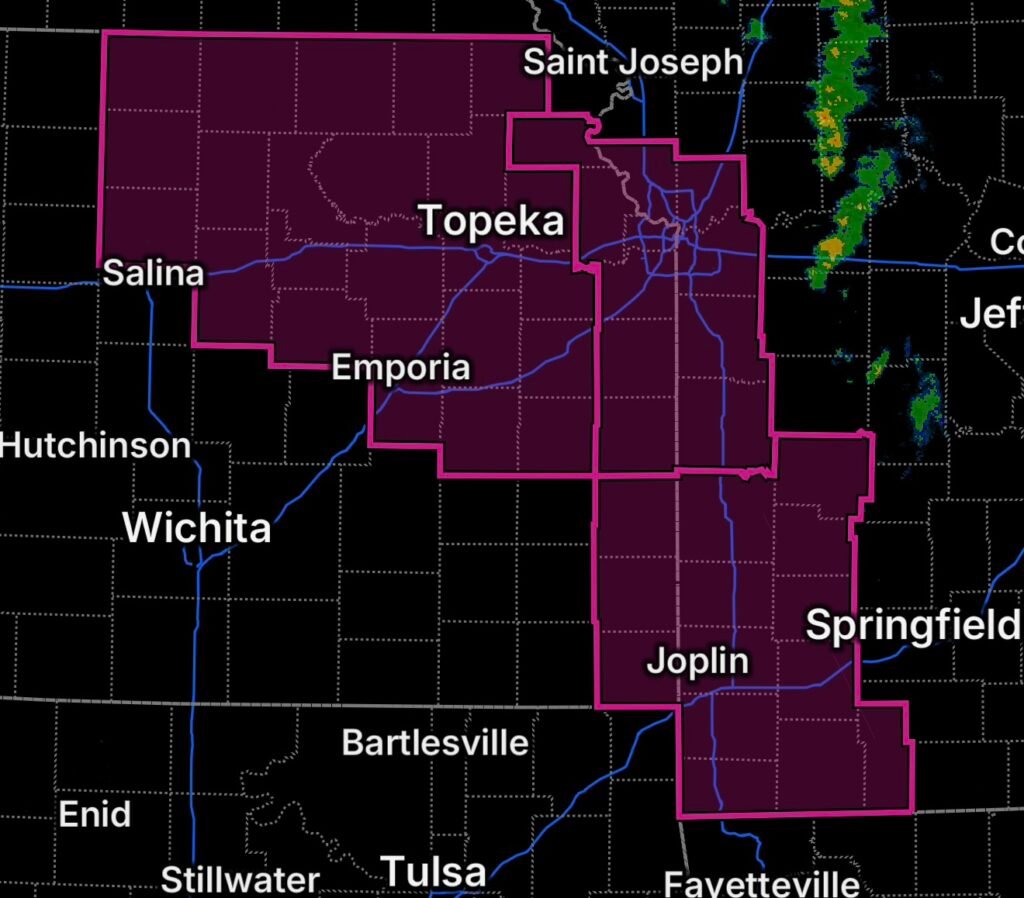
A dangerous late-summer heat episode is affecting portions of Kansas and Missouri, with an Extreme Heat Warning covering areas of central, east-central, north-central and northeast Kansas, as well as portions of east-central and west-central Missouri.
The National Weather Service warns that dangerously hot and prolonged conditions will continue, with heat index values potentially exceeding 105°F in parts of the Kansas City region and surrounding areas. The current warning for portions of east-central and northeast Kansas and west-central Missouri remains in effect through 8 PM CDT Tuesday, September 8. (National Weather Service)
Extreme heat can become dangerous quickly, particularly when high humidity prevents the human body from efficiently cooling itself.
Where the Extreme Heat Is Expected
The warning covers portions of:
Kansas
The affected Kansas areas include portions of:
- Central Kansas
- East-central Kansas
- North-central Kansas
- Northeast Kansas
Communities within the broader warning area include parts of the Kansas City metropolitan region and surrounding communities such as Topeka, Manhattan, Lawrence, Leavenworth, Kansas City, Olathe, Overland Park, Shawnee, Atchison and Fort Leavenworth.
The National Weather Service Topeka office has also maintained an Extreme Heat Warning across portions of its forecast area through Tuesday evening. (National Weather Service)
Missouri
The warning extends into portions of west-central Missouri, including communities around the Kansas City metropolitan area.
Areas identified by the National Weather Service include Kansas City, Independence, Liberty, Platte City, Pleasant Hill, Harrisonville and surrounding communities. (National Weather Service)
Why This Heat Is Dangerous
Extreme heat becomes especially hazardous when temperatures remain elevated for an extended period and humidity is high.
The combination of heat and moisture raises the heat index, which represents how hot conditions feel to the human body. When the heat index climbs above 100°F, the risk of heat-related illness increases substantially.
During prolonged extreme heat, the body can struggle to maintain a safe internal temperature. This can lead to:
- Heat cramps
- Heavy sweating
- Headache
- Dizziness
- Weakness
- Nausea
- Heat exhaustion
- Heat stroke
Heat stroke is a medical emergency and can become life-threatening without immediate treatment.
Who Is Most Vulnerable?
Although anyone can become sick from extreme heat, some people face greater risks.
Extra caution is recommended for:
- Older adults
- Infants and young children
- People working outdoors
- Athletes and people exercising outside
- People without reliable air conditioning
- People with certain underlying health conditions
- Individuals taking medications that affect hydration or temperature regulation
- Outdoor workers exposed to direct sunlight for extended periods
Pets are also vulnerable. Never leave an animal inside a parked vehicle, even for a short period.
Heat Safety: How to Stay Safe
During the warning, limit time outdoors whenever possible.
Stay Cool
Remain in an air-conditioned location during the hottest part of the day. If your home does not have adequate cooling, consider visiting a cooling center, library, shopping center or another air-conditioned public location.
Drink Plenty of Fluids
Drink water regularly rather than waiting until you become thirsty. Avoid excessive alcohol consumption because it can contribute to dehydration.
Reduce Outdoor Activity
Reschedule strenuous outdoor work and exercise for the early morning or evening when conditions are cooler.
If outdoor activity cannot be avoided, take frequent breaks in shaded or air-conditioned locations.
Check on Others
Check on elderly relatives, neighbors and anyone who may have limited access to air conditioning.
Children and pets should also be monitored closely during extreme heat.
Never Leave Children or Pets in Vehicles
Vehicle interiors can become dangerously hot within minutes. Never leave children, pets or vulnerable individuals unattended inside a parked vehicle.
The National Weather Service specifically urges residents to stay hydrated, remain in air-conditioned spaces, stay out of the sun and check on relatives and neighbors during the warning. (National Weather Service)
Heat Can Remain Dangerous After Sunset
One of the biggest concerns during a prolonged heat event is the lack of overnight relief.
Even after the sun goes down, elevated temperatures and humidity can prevent the body from fully recovering from daytime heat exposure.
This can increase cumulative heat stress, especially for people who spend multiple days working or exercising outdoors.
Watch for Signs of Heat Illness
Recognizing symptoms early can prevent a dangerous situation from becoming life-threatening.
Heat exhaustion may include heavy sweating, weakness, dizziness, headache, nausea and cool or clammy skin.
Heat stroke is much more serious. Warning signs can include confusion, altered behavior, loss of consciousness and extremely high body temperature.
If heat stroke is suspected, call 911 immediately and move the person to a cooler location while waiting for emergency assistance.
Radar Watch HQ Weather Outlook
The current heat pattern is expected to remain a significant concern across portions of Kansas and Missouri through Tuesday.
Because conditions can vary considerably from one community to another, residents should continue monitoring their local forecast and official National Weather Service updates.
The Kansas City/Pleasant Hill office describes the current heat as hazardous and prolonged, with the Extreme Heat Warning continuing through Tuesday evening for the Kansas City metropolitan area and immediately surrounding counties. (National Weather Service)
Radar Watch HQ Final Thoughts
This is a heat event that should be taken seriously. Extreme Heat Warnings are issued when dangerously hot conditions create a significant risk of heat-related illness.
If you’re in central, east-central, north-central or northeast Kansas, or portions of west-central Missouri, plan ahead for the heat, limit unnecessary outdoor exposure and make sure vulnerable family members, neighbors and pets have access to a cool environment.
Conditions can become dangerous faster than expected, so don’t wait for symptoms to become severe before taking action.
Stay cool. Stay hydrated. Stay weather aware.
Radar Watch HQ Top 5 Essentials for Extreme Heat
Affiliate Disclosure: As an Amazon Associate, Radar Watch HQ earns from qualifying purchases.
When an Extreme Heat Watch or Heat Advisory is in effect, having the right gear can help you stay safer and more comfortable.
A compact, battery-powered fan provides cooling while traveling, working outdoors, waiting at events, or during power outages.
2. Insulated Water Bottle or Tumbler
A high-quality insulated bottle or cup keeps water cold for hours, making it easier to stay hydrated throughout the day.
A handheld misting fan or spray bottle delivers instant cooling by combining fine water mist with airflow.
Portable air conditioners, evaporative coolers (where appropriate), or high-performance tower fans can help reduce indoor temperatures during dangerous heat.
5. Electrolyte Hydration Packets or Drinks
Electrolyte supplements help replace minerals lost through heavy sweating and support hydration during prolonged heat exposure.