








Extreme Heat Warning remains a major concern across the Midwest
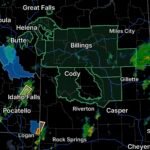
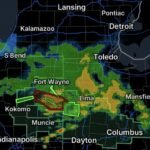
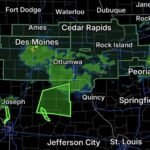
A widespread Extreme Heat Warning is affecting portions of the Midwest and Central Plains, with dangerous heat and humidity creating potentially life-threatening conditions across parts of Illinois, Missouri, Kansas, Iowa, Indiana, Kentucky, and southeast Missouri.
The combination of very warm temperatures and high humidity can push heat-index values to dangerous levels. Recent forecasts across the region have included heat-index readings near or above 105°F in some locations, increasing the threat for heat exhaustion and heat stroke. (The US Sun)
The National Weather Service defines an Extreme Heat Warning as a situation in which extremely dangerous heat conditions are expected or occurring, meaning residents should take immediate precautions. (Weather.gov)
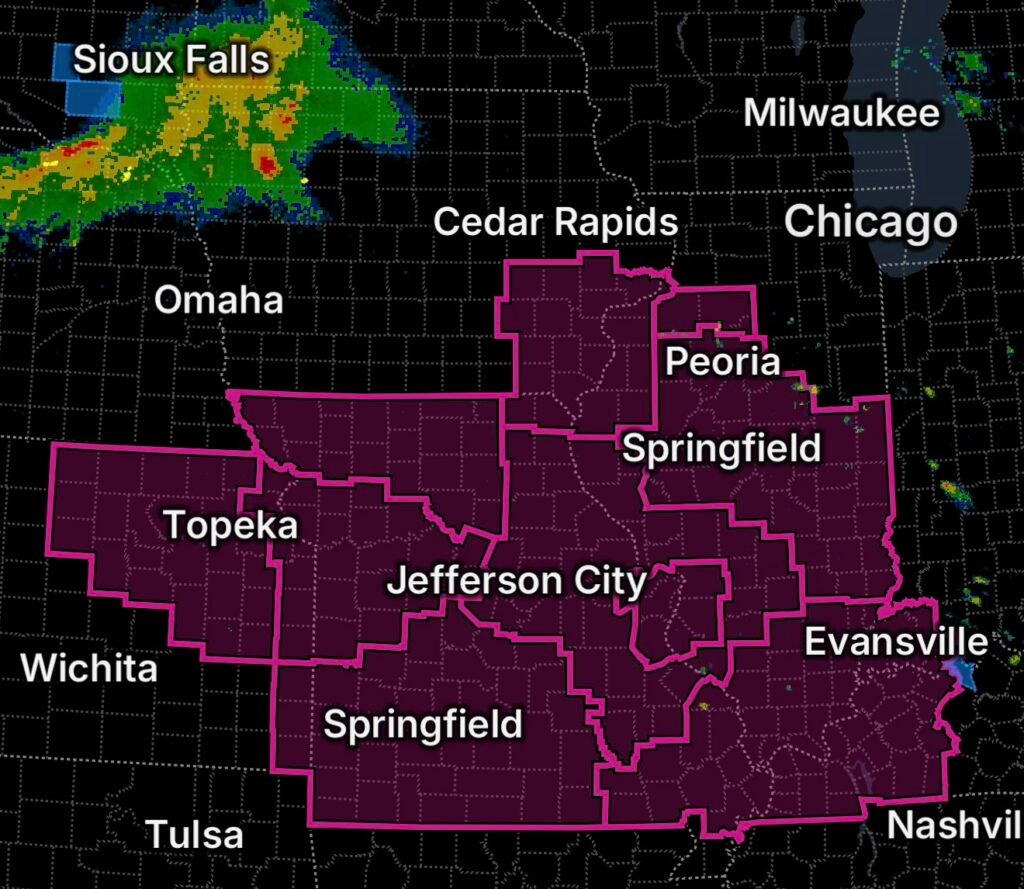
Where the Extreme Heat Warning Is in Effect
The current warning coverage includes a broad portion of the central United States.
Illinois, Indiana, Kentucky and Southeast Missouri
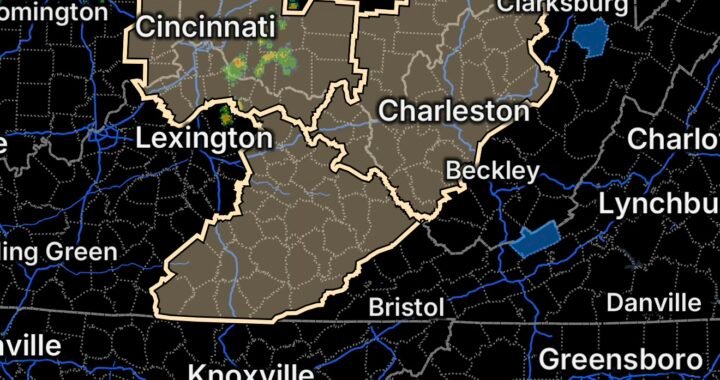
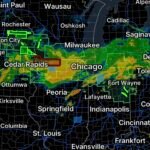
An Extreme Heat Warning covers all of southern Illinois, southwest Indiana, western Kentucky, and southeast Missouri.
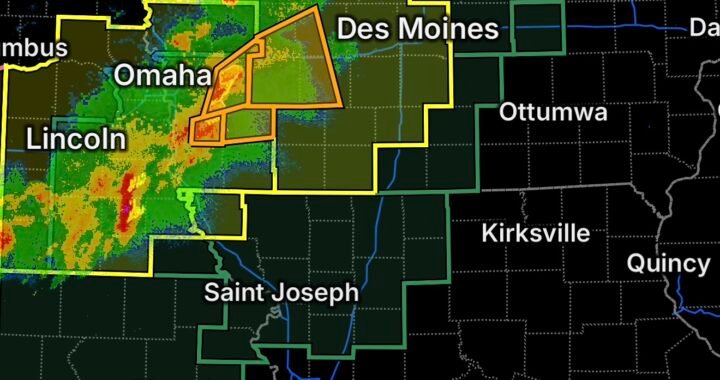
Additional warning coverage includes portions of northwest and west-central Illinois, east-central and southeast Iowa, and northeast Missouri.
Another warning area encompasses central, east-central, southeast and west-central Illinois.
The persistent combination of heat and humidity is particularly concerning during the afternoon and early evening, when outdoor heat stress can become severe.
Recent conditions in west-central Illinois have produced heat-index values exceeding 100°F, with some locations reaching the National Weather Service’s dangerous heat category. (Jacksonville Journal-Courier)
Missouri and Southeast Kansas
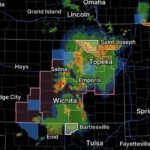
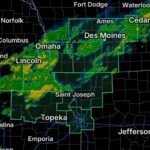
An Extreme Heat Warning also covers portions of southeast Kansas and central, east-central, south-central, southwest, and west-central Missouri.
This places a large portion of Missouri within the broader dangerous heat zone.
Residents should avoid unnecessary outdoor activities during the hottest part of the day. Even short periods of strenuous activity can become hazardous when temperatures and humidity remain elevated.
Kansas
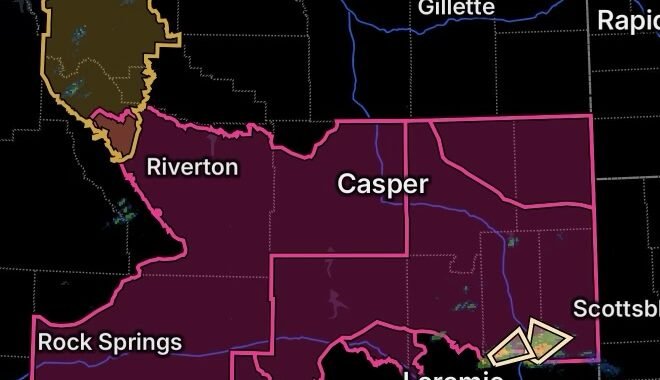
An Extreme Heat Warning is also affecting portions of central, east-central, north-central, and northeast Kansas.
The expansive warning area demonstrates how the heat is stretching from the Central Plains into the Mississippi and Ohio Valley regions.
Why This Heat Is Dangerous
Extreme heat becomes especially dangerous when high humidity prevents the human body from efficiently cooling itself through evaporation.
As the heat index increases, the body must work harder to maintain a safe internal temperature. Prolonged exposure can result in:
- Heat cramps
- Heavy sweating
- Headache
- Dizziness
- Weakness
- Nausea
- Heat exhaustion
- Heat stroke
The National Weather Service’s HeatRisk system considers not only how hot temperatures become, but also how unusual the heat is for the time of year, how long it lasts and whether nighttime temperatures provide enough relief. (Weather.gov)
Overnight Heat Can Increase the Risk
One of the biggest concerns during a prolonged heat event is a lack of overnight recovery.
When nighttime temperatures remain unusually warm, homes and buildings may not cool sufficiently before the next day’s heat begins. This can increase cumulative heat stress, particularly for people without reliable air conditioning.
Older adults, young children, people who work outdoors and individuals who lack access to effective cooling should receive additional attention during prolonged heat.
Power Demand Could Increase
Extreme heat can also place significant pressure on the electrical grid as residents and businesses rely heavily on air conditioning.
Recent heat across the Midwest has already pushed electricity demand higher, with the Midcontinent Independent System Operator monitoring elevated demand and reserve conditions. (Reuters)
Residents can help reduce unnecessary electrical demand by:
- Adjusting thermostats slightly upward when possible
- Closing blinds and curtains during peak afternoon sunlight
- Unplugging unnecessary electronics
- Avoiding use of heat-producing appliances during the hottest part of the afternoon
- Conserving electricity when requested by local utilities
However, never sacrifice personal safety to conserve electricity. Air conditioning and access to a cool location remain critical during extreme heat.
Who Is Most Vulnerable?
Extreme heat can affect anyone, but certain groups face increased risks.
Extra precautions should be taken for:
- Infants and young children
- Older adults
- Outdoor workers
- Athletes
- People without reliable air conditioning
- People with limited mobility
- Individuals spending extended periods outdoors
- Pets and livestock
Check on family members, neighbors and friends who may be especially vulnerable.
Extreme Heat Safety: What You Should Do
During an Extreme Heat Warning, take action before symptoms begin.
Stay Cool
Remain in an air-conditioned building whenever possible. If your home does not have adequate cooling, consider a public cooling center, library, shopping center or another safe air-conditioned location.
Drink Plenty of Fluids
Drink water regularly rather than waiting until you feel thirsty.
Avoid excessive alcohol and limit drinks that can contribute to dehydration.
Avoid Peak Afternoon Heat
Postpone strenuous outdoor activities until temperatures decrease.
If outdoor work cannot be avoided, take frequent breaks in a shaded or air-conditioned location and drink plenty of fluids.
Never Leave Children or Pets in Vehicles
Never leave a child, elderly person or pet inside a parked vehicle.
Temperatures inside a vehicle can rise rapidly, even when the outside temperature does not initially seem extreme.
Know the Warning Signs
Confusion, fainting, severe weakness, hot skin, loss of consciousness or other serious symptoms can indicate a medical emergency.
Heat stroke is an emergency. Call 911 immediately and move the person to a cooler location while waiting for help.
What Happens Next?
Temperatures across portions of the Midwest and Central Plains are expected to remain a major concern through the peak of this heat event, although conditions can vary considerably from one community to another.
Residents should continue monitoring their local National Weather Service office and official emergency-management information for changes to heat warnings, forecasts and cooling resources.
Because extreme heat can evolve quickly, residents should not rely solely on a single forecast issued earlier in the week.
Radar Watch HQ Final Thoughts
This Extreme Heat Warning is a reminder that dangerous weather does not always arrive with thunderstorms or severe winds. Extreme heat can be just as dangerous, particularly when high temperatures combine with humidity and limited overnight relief.
Across Illinois, Missouri, Kansas, Iowa, Indiana and Kentucky, residents should prioritize hydration, cooling and limiting strenuous outdoor activity while the dangerous heat persists.
Take the warning seriously, check on vulnerable neighbors and family members, and give your body time to recover from the heat.
Stay Weather Aware With Radar Watch HQ
Continue following Radar Watch HQ for weather coverage, severe-weather developments, heat threats, flooding concerns and other major weather events across the United States.
Stay informed. Stay prepared. Stay safe.
Radar Watch HQ provides weather information for awareness and preparedness. Always follow instructions from your local National Weather Service office and emergency-management officials.
Radar Watch HQ Top 5 Essentials for Extreme Heat
Affiliate Disclosure: As an Amazon Associate, Radar Watch HQ earns from qualifying purchases.
When an Extreme Heat Watch or Heat Advisory is in effect, having the right gear can help you stay safer and more comfortable.
A compact, battery-powered fan provides cooling while traveling, working outdoors, waiting at events, or during power outages.
2. Insulated Water Bottle or Tumbler
A high-quality insulated bottle or cup keeps water cold for hours, making it easier to stay hydrated throughout the day.
A handheld misting fan or spray bottle delivers instant cooling by combining fine water mist with airflow.
Portable air conditioners, evaporative coolers (where appropriate), or high-performance tower fans can help reduce indoor temperatures during dangerous heat.
5. Electrolyte Hydration Packets or Drinks
Electrolyte supplements help replace minerals lost through heavy sweating and support hydration during prolonged heat exposure.