






Extreme Heat Watch and Marine Alerts for Northeast Florida & Southeast Georgia
Residents across portions of northeast and northern Florida and southeast Georgia should prepare for a dangerous combination of extreme heat and hazardous marine conditions. The National Weather Service has issued an Extreme Heat Watch for inland areas, while boaters along the Atlantic coast face a Special Marine Warning and Marine Weather Statement due to rapidly changing conditions on the water.
High temperatures combined with oppressive humidity could create life-threatening heat index values, while strong thunderstorms over the Atlantic waters may produce damaging wind gusts, dangerous lightning, and rough seas.
Extreme Heat Watch
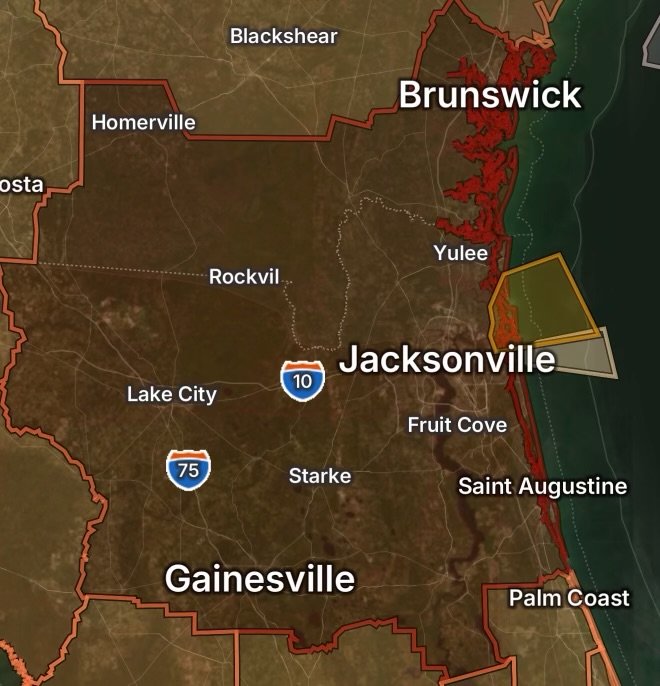
An Extreme Heat Watch is in effect for portions of:
- Northeast Florida
- Northern Florida
- Southeast Georgia
Temperatures climbing into the upper 90s, combined with tropical humidity, may produce heat index values well above 110°F. These conditions significantly increase the risk of heat-related illnesses, especially for outdoor workers, children, older adults, and those without access to air conditioning.
Heat Safety Tips
- Drink plenty of water throughout the day.
- Avoid strenuous outdoor activities during the hottest afternoon hours.
- Wear lightweight, light-colored clothing.
- Take frequent breaks in air-conditioned buildings.
- Never leave children or pets inside parked vehicles.
- Check on elderly neighbors, family members, and anyone vulnerable to extreme heat.
Special Marine Warning
A Special Marine Warning has been issued for:
- Mayport
- Talbot Island
- Nassau Sound Approach Buoy 6A
- Saint John’s Lighted Buoy
Strong thunderstorms moving across the coastal waters may produce:
- Wind gusts exceeding 34 knots
- Frequent cloud-to-water lightning
- Torrential rainfall reducing visibility
- Small hail
- Rough, hazardous seas capable of capsizing smaller vessels
Mariners should immediately seek safe harbor if thunderstorms approach.
Marine Weather Statement
A Marine Weather Statement is also in effect for:
Coastal waters from Fernandina Beach to St. Augustine, Florida, out to 20 nautical miles.
Boaters should expect rapidly changing weather conditions, including gusty winds, heavy rain, lightning, and locally rough seas. Even storms that appear small on radar can quickly become dangerous over open water.
Stay Weather Aware
Residents should closely monitor local forecasts as both the heat and marine hazards may change throughout the day. Continue to follow updates from the National Weather Service and local emergency management officials for the latest watches, warnings, and advisories.
Preparation and timely action remain the best defenses against both dangerous heat and rapidly developing coastal storms.
Stay safe and stay informed with Radar Watch HQ for the latest weather alerts, forecasts, and severe weather updates across the United States.
Radar Watch HQ Top 5 Essentials for Extreme Heat
Affiliate Disclosure: As an Amazon Associate, Radar Watch HQ earns from qualifying purchases.
When an Extreme Heat Watch or Heat Advisory is in effect, having the right gear can help you stay safer and more comfortable.
A compact, battery-powered fan provides cooling while traveling, working outdoors, waiting at events, or during power outages.
2. Insulated Water Bottle or Tumbler
A high-quality insulated bottle or cup keeps water cold for hours, making it easier to stay hydrated throughout the day.
A handheld misting fan or spray bottle delivers instant cooling by combining fine water mist with airflow.
Portable air conditioners, evaporative coolers (where appropriate), or high-performance tower fans can help reduce indoor temperatures during dangerous heat.
5. Electrolyte Hydration Packets or Drinks
Electrolyte supplements help replace minerals lost through heavy sweating and support hydration during prolonged heat exposure.