



Extreme Heat Watch: Montana & Wyoming / Power Outages in Johnson County
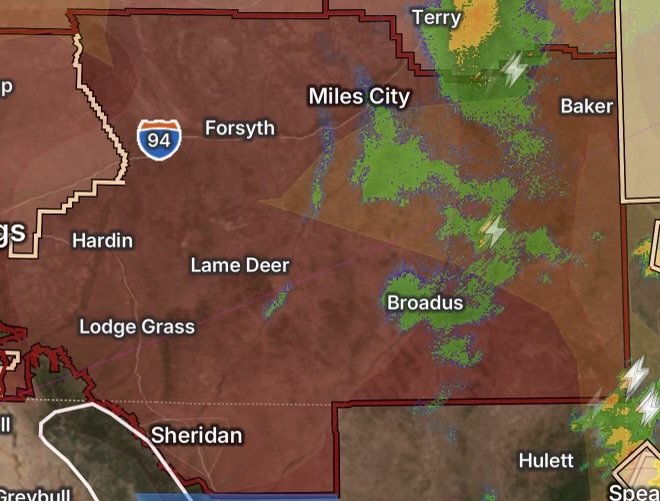
A dangerous combination of extreme weather factors is impacting the Northern Rockies and High Plains region. The National Weather Service (NWS) has issued an Extreme Heat Watch targeting extensive portions of central, south-central, and southeast Montana, along with north-central Wyoming. Compounding these hazardous conditions, residents in parts of Wyoming—specifically including Johnson County—are also facing localized power outages, amplifying heat-stress risks as cooling systems fail.
Fast Facts: Extreme Heat Watch & Infrastructure Impacts
Impacted Regions: Portions of central, south-central, and southeast Montana, as well as north-central Wyoming.
Core Hazards: Dangerously high temperatures capable of causing rapid-onset heat-related illnesses, exacerbated by infrastructure strain.
Issuing Agency: National Weather Service (NWS) Billings, MT.
Concurrent Infrastructure Issues: Power outages reported in Johnson County, Wyoming, complicating cooling efforts for local residents.
Action Required: Limit outdoor strenuous activities, stay hydrated, seek air-conditioned environments, and monitor local utility updates.
Understanding the Extreme Heat Watch
High pressure building across the Intermountain West and northern High Plains is driving a significant surge in temperatures. An Extreme Heat Watch means that conditions are favorable for a major heat wave, which can quickly become lethal without adequate mitigation.
The primary concerns during this weather event include:
1. Severe Heat Stress: Prolonged exposure to high afternoon temperatures combined with warm overnight lows prevents the human body from cooling off properly, drastically increasing the risk of heat exhaustion and heatstroke.
2. Vulnerable Populations: Children, the elderly, outdoor workers, and pets face the highest risk during multi-day temperature spikes.
3. Grid Overload: As air conditioning units run at maximum capacity across Montana and Wyoming, electrical grids experience intense strain, which heightens the likelihood of brownouts and localized blackouts.
Power Outages Hit Johnson County, Wyoming
Adding a layer of emergency urgency to the weather pattern, residents in Johnson County, Wyoming, are managing unexpected power outages.
When electrical service fails during an extreme heat event, homes and businesses quickly lose access to air conditioning and mechanical ventilation. To manage a power outage safely during high-heat conditions:
Seek Alternative Cooling: If your home loses power and gets too hot, consider relocating temporarily to public cooling centers, air-conditioned libraries, or community spaces.
Keep Refrigerator Doors Closed: Minimizing how often you open your fridge or freezer helps preserve food safety during an outage.
Stay Hydrated: Drink plenty of cool water even if you do not feel actively thirsty, and avoid alcoholic or highly caffeinated beverages that can accelerate dehydration.
Heat Safety Checklist: Protecting Your Family and Property
When dealing with a high-heat watch and potential utility disruptions, proactive preparation is vital:
Hydrate Constantly: Drink water steadily throughout the day before feeling thirsty.
Limit Outdoor Exposure: Reschedule strenuous physical chores or outdoor work for early morning or late evening hours when temperatures dip.
Check on Neighbors: Vulnerable neighbors, elderly family members, and local pets may need assistance checking their cooling setups or securing water.
Never Leave Pets or Kids in Vehicles: Car interiors turn into fatal heat traps within minutes, even with windows cracked.
Stay tuned to NWS Billings and local emergency management channels for updates regarding the progression of the Extreme Heat Watch and restoration timelines for regional power outages.
Radar Watch HQ Top 5 Essentials for Extreme Heat
Affiliate Disclosure: As an Amazon Associate, Radar Watch HQ earns from qualifying purchases.
When an Extreme Heat Watch or Heat Advisory is in effect, having the right gear can help you stay safer and more comfortable.
A compact, battery-powered fan provides cooling while traveling, working outdoors, waiting at events, or during power outages.
2. Insulated Water Bottle or Tumbler
A high-quality insulated bottle or cup keeps water cold for hours, making it easier to stay hydrated throughout the day.
A handheld misting fan or spray bottle delivers instant cooling by combining fine water mist with airflow.
Portable air conditioners, evaporative coolers (where appropriate), or high-performance tower fans can help reduce indoor temperatures during dangerous heat.
5. Electrolyte Hydration Packets or Drinks
Electrolyte supplements help replace minerals lost through heavy sweating and support hydration during prolonged heat exposure.