
Rough Pacific Conditions Could Develop Thursday
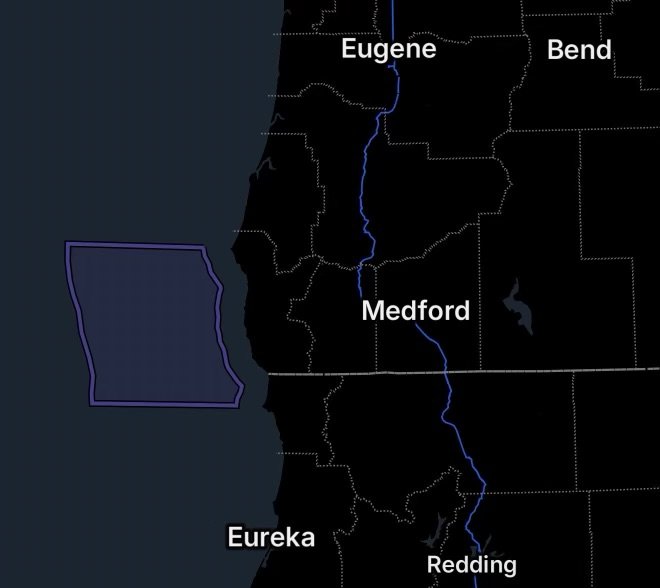
Mariners along the southern Oregon and northern California coast should closely monitor a Hazardous Seas Watch for waters extending from Cape Blanco, Oregon, to Point St. George, California, from 10 to 60 nautical miles offshore. The National Weather Service Medford forecast indicates that hazardous marine conditions could return Thursday afternoon and continue into late Thursday night.
The watch covers the offshore waters of PZZ376, an area that can experience rapidly changing conditions, particularly when strong northerly winds combine with short-period, steep seas.
What the Hazardous Seas Watch Means
A Hazardous Seas Watch means conditions capable of producing dangerous seas are possible, although the exact timing or severity can still change.
According to the latest National Weather Service marine message, north winds of 20 to 30 knots and very steep, hazardous seas of 8 to 10 feet at around 8 seconds are possible during the watch period.
These conditions can make offshore travel especially challenging for smaller recreational vessels.
Current Marine Weather Situation
The hazardous-seas threat follows an existing period of unsettled marine conditions.
The latest marine message shows a Hazardous Seas Warning continuing until 5 a.m. Wednesday, followed by a Small Craft Advisory from 5 a.m. Wednesday through 2 p.m. Thursday. The Hazardous Seas Watch then becomes effective Thursday afternoon through late Thursday night.
This progression means mariners should not wait until the watch becomes a warning before reviewing plans and vessel preparations.
Why Steep Seas Are Dangerous
Wave height alone does not tell the entire story.
When waves become closely spaced, vessels can experience repeated steep climbs and drops. This can increase the risk of:
- Loss of vessel stability
- Difficult steering
- Breaking waves over the deck
- Equipment damage
- Crew injuries
- Capsizing of smaller boats
Bar crossings can become particularly dangerous when strong currents interact with steep incoming waves. The National Weather Service specifically warns that bar crossings can become especially treacherous during hazardous sea conditions.
Areas of Concern
The watch encompasses offshore waters between:
Cape Blanco, Oregon → Point St. George, California
and extends approximately:
10 to 60 nautical miles offshore
This includes offshore waters south of the southern Oregon coast and northwestern California coast.
Marine Safety: What Boaters Should Do
Recreational boaters should consider remaining in port while hazardous conditions are possible. Commercial operators should evaluate vessel capability, crew safety and routing before entering the affected waters.
Before departing, mariners should:
- Check the latest National Weather Service marine forecast.
- Verify vessel communications and navigation equipment.
- Secure loose equipment.
- Make sure everyone has properly fitted life jackets.
- Check fuel and emergency supplies.
- Monitor updated wind and wave forecasts.
- Be especially cautious around coastal bars and inlets.
- Be prepared to postpone or alter a trip if conditions deteriorate.
The National Weather Service recommends recreational boaters remain in port during very steep and hazardous seas, while commercial vessels should prepare for the conditions and consider remaining in port until conditions improve.
Radar Watch HQ Final Thoughts
The Hazardous Seas Watch from Cape Blanco to Point St. George highlights the potential for another period of dangerous offshore conditions along the southern Oregon and northern California coast.
With 8- to 10-foot very steep seas and north winds potentially reaching 20 to 30 knots, Thursday could become particularly challenging for mariners operating 10 to 60 nautical miles offshore. Conditions can change quickly, so checking updated marine forecasts before departure is essential.
Stay weather-aware, know your vessel’s limits, and when in doubt, stay in port.
Radar Watch HQ Top 5 Marine Essentials
Affiliate Disclosure: As an Amazon Associate, Radar Watch HQ earns from qualifying purchases.
🌊 1. U.S. Coast Guard-Approved Life Jacket
A properly fitted life jacket is the most important piece of safety equipment for every passenger onboard.
Best for: Recreational boaters, anglers, kayakers, and paddleboarders.
⚓ 2. Marine Emergency Radio (NOAA Weather Radio)
Receive real-time NOAA Weather Radio alerts, marine forecasts, and emergency warnings—even when cell service is unavailable.
Best for: Offshore and coastal boating.
🔦 3. Rechargeable Waterproof LED Flashlight
A bright waterproof flashlight is essential for emergencies, low visibility, nighttime navigation, and signaling for help.
Best for: Every boat emergency kit.
🧰 4. Marine First Aid Kit
A waterproof first aid kit stocked with bandages, antiseptic, medications, and emergency supplies for injuries on the water.
Best for: Every vessel, regardless of size.
🧭 5. Waterproof Dry Bag
Protect phones, wallets, charts, keys, electronics, and emergency supplies from water damage during storms or rough seas.
Best for: Boaters, kayakers, paddleboarders, and beachgoers.
🛒 Radar Watch HQ Marine Safety Picks
Prepare before you head out on the water. Our recommended marine safety essentials can help keep you and your crew safe during changing weather conditions.