










Rip Current Statement: Pinellas to Lee Counties | Beach Safety
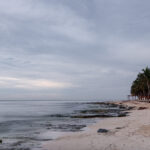
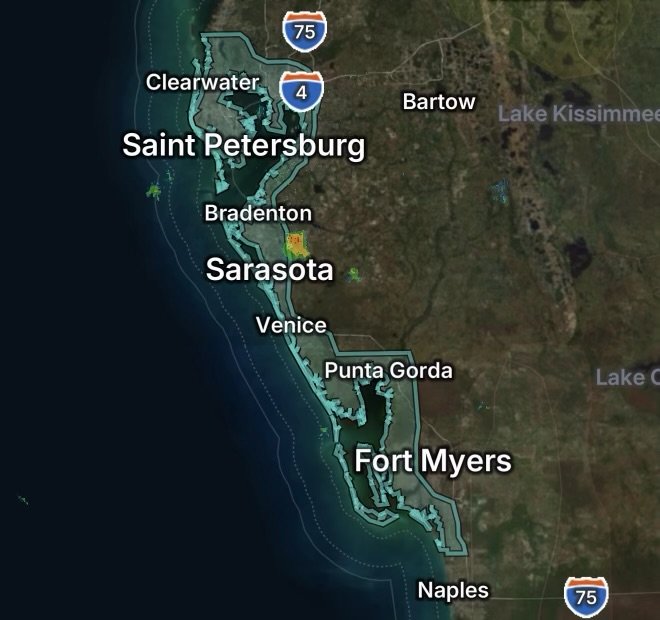
If you are planning a trip to the stunning Gulf Coast beaches of Southwest Florida this week, you need to pause and check the surf conditions before stepping foot on the sand. The National Weather Service (NWS) in Tampa Bay has issued a persistent Rip Current Statement highlighting dangerous marine hazards stretching all the way from the Tampa Bay area down through Southwest Florida.
Whether you are a local resident heading out for an evening stroll or a tourist visiting for a sunny getaway, understanding the severity of these coastal conditions is critical for your safety.
Fast Facts: Southwest Florida Rip Current Statement
Impacted Regions: Pinellas, Coastal Hillsborough, Coastal Manatee, Coastal Sarasota, Coastal Charlotte, and Coastal Lee Counties.
Timing: Active and remaining in effect through Friday evening.
Core Hazard: Powerful, life-threatening rip currents capable of sweeping even the strongest swimmers away from shore and into deeper water.
Issuing Office: National Weather Service (NWS) Tampa Bay Ruskin, FL.
Action Required: Exercise extreme caution, swim only near active lifeguards, heed all local beach warning flags, and stay out of the water if conditions dictate.
What is a Rip Current and Why Are They So Dangerous?
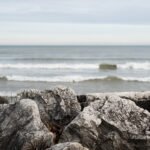
Rip currents are powerful, channeled currents of water flowing quickly away from the shoreline. They typically form at low spots or breaks in sandbars, as well as near coastal structures like piers, jetties, and groins where water returning from breaking waves is funneled back out to sea.
What makes rip currents exceptionally dangerous is their deceptive speed and strength. They can easily overpower even experienced ocean swimmers, dragging them far offshore into deep water. Panic often sets in quickly, leading to exhaustion and tragic outcomes. Because these currents do not pull you under water—but rather pull you away from the coast—knowing how to react if you are caught is vital for survival.
Beach Safety Checklist: How to Protect Yourself and Your Family
When a Rip Current Statement is active, adhering to fundamental beach safety rules can save your life. Keep these guidelines in mind before heading to the shore:
Swim Near a Lifeguard: Always choose a beach patrolled by trained lifeguards. If trouble arises, they are equipped to spot distress and respond rapidly.
Check the Beach Flags: Pay close attention to local warning flag systems (such as double red or high hazard flags). If flags indicate dangerous surf, stay out of the water completely.
If Caught, Don’t Fight the Current: Never attempt to swim directly back to shore against the flow of a rip current—you will exhaust yourself in minutes. Instead, remain calm and float.
Swim Parallel to Shore: If you are caught in a rip current, swim in a direction following the shoreline until you escape the pull, then swim diagonally back toward the beach.
Yell for Help: If you cannot break free of the current, wave your arms, call, or yell for assistance from lifeguards or nearby beachgoers.
Stay Informed
Coastal and ocean conditions can change rapidly depending on local winds, distant storms, and shifting offshore sandbars. Before heading out to the coast, check real-time updates from local county safety portals, monitor forecasts from NWS Tampa Bay, and always respect the guidance of local beach patrols. Stay safe, stay smart, and respect the power of the Gulf!
Radar Watch HQ Top 5 Marine Essentials
Affiliate Disclosure: As an Amazon Associate, Radar Watch HQ earns from qualifying purchases.
🌊 1. U.S. Coast Guard-Approved Life Jacket
A properly fitted life jacket is the most important piece of safety equipment for every passenger onboard.
Best for: Recreational boaters, anglers, kayakers, and paddleboarders.
⚓ 2. Marine Emergency Radio (NOAA Weather Radio)
Receive real-time NOAA Weather Radio alerts, marine forecasts, and emergency warnings—even when cell service is unavailable.
Best for: Offshore and coastal boating.
🔦 3. Rechargeable Waterproof LED Flashlight
A bright waterproof flashlight is essential for emergencies, low visibility, nighttime navigation, and signaling for help.
Best for: Every boat emergency kit.
🧰 4. Marine First Aid Kit
A waterproof first aid kit stocked with bandages, antiseptic, medications, and emergency supplies for injuries on the water.
Best for: Every vessel, regardless of size.
🧭 5. Waterproof Dry Bag
Protect phones, wallets, charts, keys, electronics, and emergency supplies from water damage during storms or rough seas.
Best for: Boaters, kayakers, paddleboarders, and beachgoers.
🛒 Radar Watch HQ Marine Safety Picks
Prepare before you head out on the water. Our recommended marine safety essentials can help keep you and your crew safe during changing weather conditions.