

Rabbit 2 Fire in Koochiching County, Minnesota: What the 14.3-Acre Wildfire Means for Air Quality in Northern Minnesota
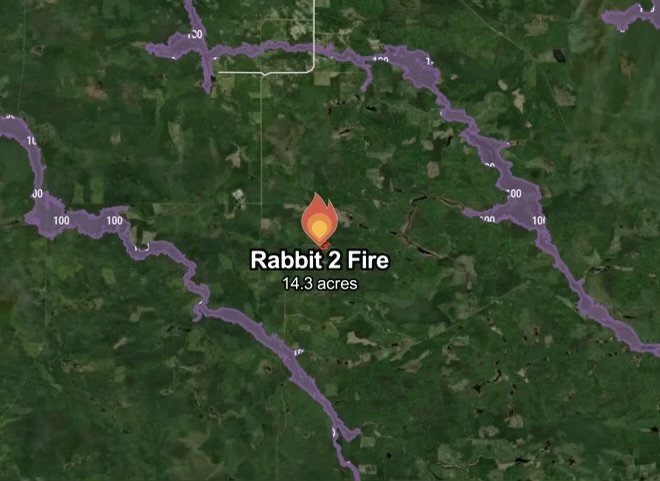
The Rabbit 2 Fire, located approximately 1.3 miles southeast of Haney Road and Gallagher Road, south of Ray in Koochiching County, Minnesota, has grown to 14.3 acres. While relatively small compared to some of the larger wildfires burning across northern Minnesota this season, the fire is contributing to regional smoke production that can affect air quality well beyond the immediate burn area.
Rabbit 2 Fire Overview
- Location: 1.3 miles southeast of Haney Road and Gallagher Road, south of Ray
- County: Koochiching County, Minnesota
- Current Size: 14.3 acres
- Status: Active wildfire
Although firefighters continue working to contain the incident, smoke from even smaller wildfires can travel many miles depending on wind direction, atmospheric stability, and humidity.
How the Rabbit 2 Fire Affects Air Quality
Wildfire smoke contains fine particulate matter known as PM2.5, one of the primary pollutants responsible for poor air quality during wildfire season. These microscopic particles can remain suspended in the atmosphere and travel across county and even state lines.
Communities that may experience periods of smoky conditions include:
- Ray
- Big Falls
- International Falls
- Orr
- Crane Lake
- Portions of Koochiching, St. Louis, and northern Itasca counties
The greatest smoke impacts often occur during the overnight and early morning hours when cooler temperatures allow smoke to settle closer to the ground.
Multiple Northern Minnesota Fires Increase Smoke Potential
The Rabbit 2 Fire comes as several other wildfires remain active across northern Minnesota. While each incident may individually be limited in size, smoke from multiple fires can combine to reduce visibility and lower regional air quality.
Residents may notice:
- Hazy skies
- The smell of smoke outdoors
- Reduced visibility
- Elevated Air Quality Index (AQI) readings
- Smoke drifting into areas many miles from active fires
Changing wind patterns can quickly move smoke into communities that are not immediately adjacent to a wildfire.
Health Impacts of Wildfire Smoke
Exposure to wildfire smoke can affect everyone, but certain groups face a higher risk, including:
- Children
- Older adults
- Pregnant individuals
- People with asthma or COPD
- Individuals with heart or lung disease
- Outdoor workers
Common symptoms include:
- Eye irritation
- Scratchy throat
- Persistent coughing
- Shortness of breath
- Headaches
- Fatigue
Those experiencing severe breathing difficulties should seek medical attention promptly.
How to Protect Yourself During Smoke Events
If smoke reaches your community:
- Limit prolonged outdoor activities.
- Keep windows and doors closed when smoke levels increase.
- Run your home’s air conditioning on recirculate if available.
- Use a HEPA air purifier indoors when possible.
- Consider wearing a properly fitted N95 respirator if extended outdoor activity cannot be avoided.
- Monitor local Air Quality Index forecasts before spending time outside.
Fire Weather Remains a Concern
Northern Minnesota continues to experience periods of dry vegetation and weather conditions that can allow new fires to develop or existing fires to spread. Even relatively small fires like the Rabbit 2 Fire can generate noticeable smoke when conditions are favorable.
Residents should remain alert for changing fire conditions, local fire restrictions, and air quality advisories throughout the region.
Looking Ahead
The Rabbit 2 Fire serves as another reminder that Minnesota’s wildfire season remains active. While the incident currently covers 14.3 acres, its smoke may still affect surrounding communities, especially when combined with emissions from other ongoing wildfires across northern Minnesota.
Radar Watch HQ will continue monitoring wildfire activity, smoke forecasts, and air quality conditions as firefighters work to contain incidents throughout the region. Information about this fire may continue to change as updated mapping and suppression efforts become available. (en.wikipedia.org)
Affiliate Disclosure: As an Amazon Associate, Radar Watch HQ earns from qualifying purchases.
Radar Watch HQ Top 5 Essentials – Wildfire Preparedness
Helps reduce exposure to wildfire smoke, ash, and fine particles.
Provides alerts during power outages or when cell service is unavailable.
Go Bag / Emergency Preparedness Kit
Includes important documents, medications, water, food, flashlights, and basic supplies for quick evacuation.
Fire-Resistant Outdoor Supplies
Items such as fire-resistant gloves, protective clothing, and tools for creating defensible space around property.
Portable Power Bank & Backup Charging Supplies
Keeps phones and emergency devices powered during wildfire emergencies.