

Latest Air Quality Overview
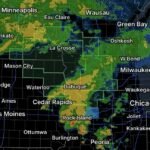
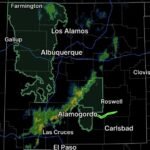
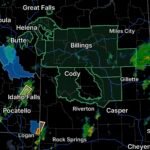
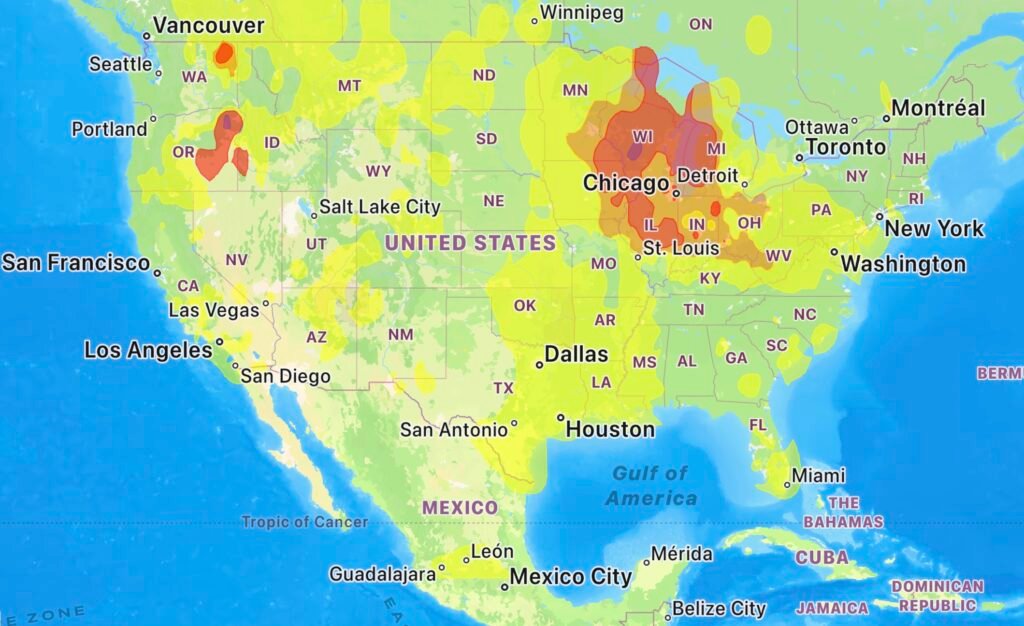
Air quality across the United States is changing rapidly as thunderstorms, higher atmospheric moisture, and wildfire smoke interact across multiple regions. While rainfall has helped improve conditions in some areas, smoke from ongoing Canadian and western U.S. wildfires continues to impact millions of Americans.
Moisture from summer weather systems is helping remove airborne pollutants and smoke particles in some locations, while stagnant air and new wildfire smoke continue to reduce visibility and air quality elsewhere.
How Moisture Improves Air Quality
Higher humidity and widespread thunderstorms provide several benefits for air quality:
- Rain washes smoke, dust, pollen, and pollution from the atmosphere.
- Gusty thunderstorm winds help disperse trapped pollutants.
- Cooler temperatures reduce ozone formation during the afternoon.
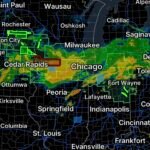
Across portions of the Northeast, rainfall and thunderstorms have already improved air quality after several days of wildfire smoke, returning many communities to Moderate AQI levels.
Wildfire Smoke Remains a Concern
Despite improving conditions in some regions, wildfire smoke continues to affect much of the northern United States.
Smoke from large Canadian wildfires continues drifting south into:
- Great Lakes
- Midwest
- Northeast
- Mid-Atlantic
Some locations have experienced Unhealthy to Very Unhealthy Air Quality Index (AQI) readings, especially for sensitive groups including children, older adults, and individuals with asthma or heart disease.
Thunderstorms Bring Both Benefits and Hazards
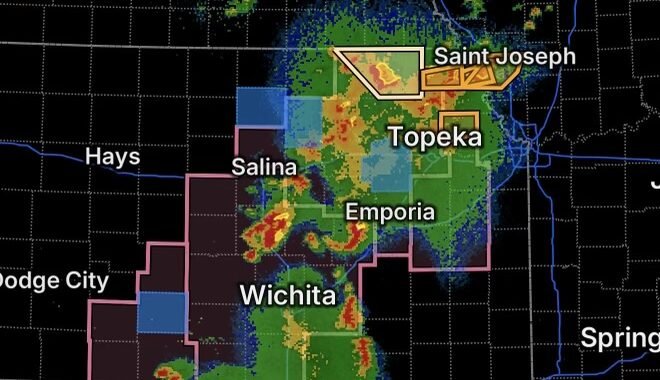
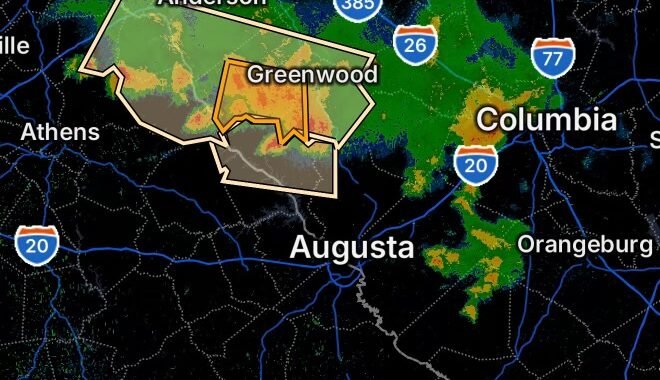
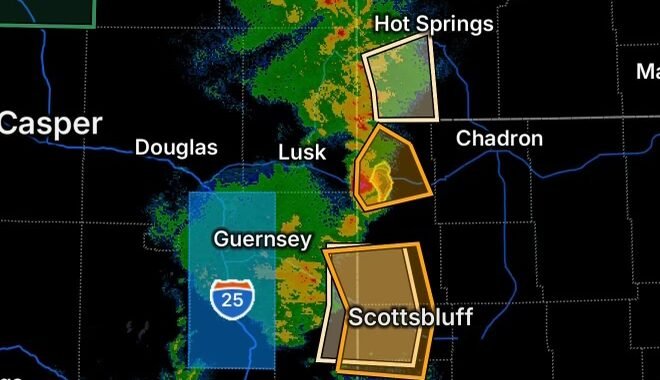
While thunderstorms help clear smoke from the atmosphere, they can also produce:
- Heavy rainfall
- Flash flooding
- Strong wind gusts
- Frequent lightning
These storms temporarily improve air quality but may create additional severe weather hazards that require close monitoring.
Areas Seeing Air Quality Improvements
Recent rainfall has improved conditions across portions of:
- Connecticut
- New York
- New England
- Parts of the Mid-Atlantic
Lower humidity following passing cold fronts is also helping reduce haze and improve visibility.
Regions Still Experiencing Poor Air Quality
Smoke continues to create unhealthy conditions across parts of:
- Minnesota
- Wisconsin
- Illinois
- Michigan
- Pennsylvania
- Ohio
- Portions of the Northeast
Residents should continue monitoring local AQI forecasts as smoke concentrations can change quickly with shifting winds.
Air Quality Safety Tips
If air quality deteriorates:
- Limit prolonged outdoor activities.
- Keep windows and doors closed.
- Run HEPA or high-quality air filtration if available.
- Stay hydrated during periods of heat and humidity.
- Wear a well-fitting N95 mask if you must spend extended time outdoors in smoky conditions.
- Monitor local weather and AQI updates frequently.
Final Outlook
The overall U.S. air quality pattern remains highly dynamic. Moisture and thunderstorms are improving conditions in many areas by clearing smoke and pollutants from the atmosphere, but ongoing wildfire smoke continues to impact air quality across portions of the Midwest, Great Lakes, and Northeast. As summer weather systems evolve, residents should remain alert for both changing air quality conditions and the potential for severe thunderstorms.
Radar Watch HQ Air Quality Essentials
Affiliate Disclosure: As an Amazon Associate, Radar Watch HQ earns from qualifying purchases.
- HEPA Air Purifier – Helps remove smoke, dust, pollen, and fine particulate matter (PM2.5) from indoor air.
- N95 Respirator Masks – Provides added protection when outdoor air quality reaches unhealthy levels.
- Portable Air Quality Monitor – Tracks indoor PM2.5, AQI, temperature, and humidity in real time.
- Replacement HEPA Air Filters – Keep home HVAC systems and air purifiers operating efficiently during extended air quality events.
- Portable Battery Power Station – Keeps air purifiers, fans, phones, and other essential devices powered during outages caused by severe weather or wildfire-related emergencies.