









M4.7 Earthquake Strikes Offshore Near Tamarindo, Costa Rica
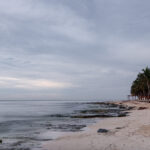
A magnitude 4.7 earthquake struck approximately 91 kilometers (57 miles) west-northwest of Tamarindo, Costa Rica, on the evening of July 5, 2026 (local time). According to seismic reports, the earthquake occurred at a depth of about 10 kilometers (6.2 miles) beneath the Pacific Ocean.
While this was considered a moderate offshore earthquake, it serves as another reminder of the active tectonic environment along the Pacific coast of Central America. At this time, there have been no widespread reports of significant damage or injuries, and no tsunami warning has been associated with this event.
Why Earthquakes Are Common Near Costa Rica
Costa Rica lies along the Middle America Trench, where the Cocos Plate is subducting beneath the Caribbean Plate. This geological boundary produces frequent earthquakes ranging from minor tremors to stronger seismic events capable of causing damage.
Offshore earthquakes such as this one are common and are closely monitored by seismic agencies for any changes in activity.
What Residents Should Do After an Earthquake
Even moderate earthquakes can produce aftershocks. Residents and visitors should:
- Stay alert for aftershocks and move to a safe location if additional shaking occurs.
- Inspect homes and buildings for structural damage before re-entering.
- Check for gas leaks, damaged electrical wiring, or broken water lines.
- Keep emergency supplies readily available, including water, flashlights, batteries, medications, and a first aid kit.
- Follow updates from local emergency management officials and official seismic monitoring agencies.
How to Prepare for Future Earthquakes
Earthquakes can occur without warning, making preparedness essential.
Recommended safety measures include:
- Secure heavy furniture, televisions, and appliances to walls.
- Prepare an emergency kit capable of supporting your household for at least 72 hours.
- Create and practice a family emergency communication plan.
- Identify safe places indoors, such as beneath sturdy tables or against interior walls away from windows.
- Learn how to safely shut off gas, electricity, and water if necessary.
Radar Watch HQ Outlook
Although this earthquake was offshore and moderate in strength, Costa Rica remains one of the world’s most seismically active regions. Radar Watch HQ will continue monitoring earthquake activity across Central America and provide updates should additional significant seismic events or official advisories be issued.