

Pocket Fire Near Sedona Reaches 83% Containment
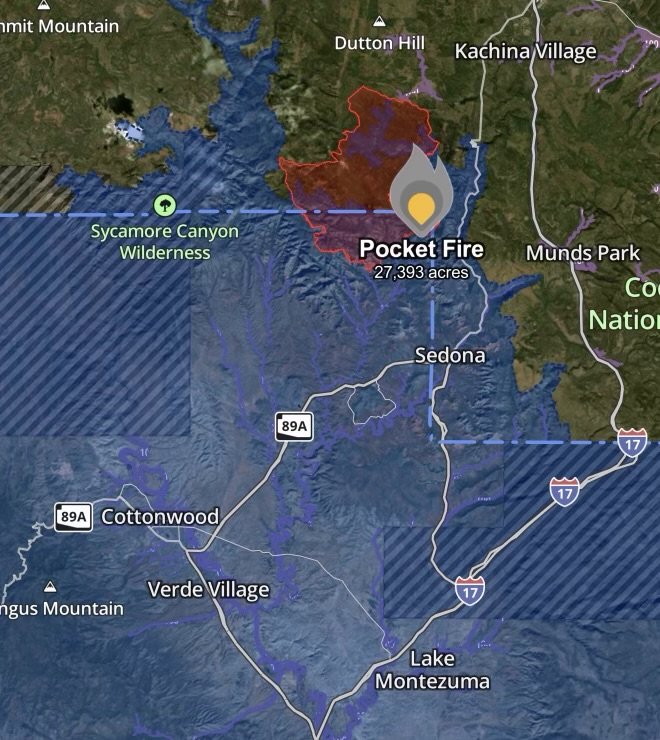
The Pocket Fire, burning within the Red Rock-Secret Mountain Wilderness Area north of Sedona in Coconino and Yavapai Counties, has grown to 27,393 acres and is now 83% contained. Firefighters have made significant progress securing containment lines, allowing operations to transition toward patrol, suppression repair, and monitoring of remaining hot spots.
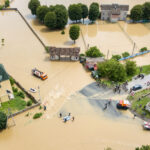
While wildfire conditions continue to improve, another serious hazard is emerging as Arizona’s summer monsoon season increases the threat of flash flooding.
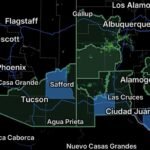
Flood Watch Issued During Arizona’s Monsoon Season
A Flood Watch is in effect for:
- Yavapai County Mountains
- Northern Gila County
- Yavapai County Valleys and Basins
- Oak Creek Canyon
- Sycamore Canyon
Forecasts call for periods of heavy monsoon rainfall capable of producing flash flooding caused by excessive rainfall, especially over areas recently impacted by wildfire.
Why Burn Scars Create Dangerous Flooding
Even with the Pocket Fire nearing full containment, burned landscapes remain highly vulnerable during heavy rain.
Wildfires remove vegetation that normally slows rainfall and allows water to soak into the soil. High-intensity fires can also create water-repellent soil layers, causing rain to rapidly run downhill instead of being absorbed.
This creates several hazards:
- Rapid flash flooding with little warning
- Mudslides and debris flows
- Rolling rocks and fallen burned trees
- Washed-out roads and low-water crossings
- Dangerous conditions in narrow canyons
These risks can continue for months or even years after a wildfire is contained.
Oak Creek and Sycamore Canyon Face Elevated Risk
Popular recreation areas including Oak Creek Canyon and Sycamore Canyon become especially hazardous during monsoon storms.
Heavy rainfall upstream can send walls of water racing through canyon bottoms, even if skies are mostly clear where visitors are standing.
Flash floods in these narrow canyons may carry:
- Large boulders
- Burned trees
- Ash
- Mud
- Other wildfire debris
The combination of steep canyon walls and burn scars greatly increases the speed and force of floodwaters.
Valleys and Basins Could Experience Localized Flooding
Communities throughout the Yavapai County valleys and basins may also experience flooding as runoff flows out of the mountains.
Potential impacts include:
- Flooded roadways
- Overflowing washes
- Water entering low-lying neighborhoods
- Damage to culverts and drainage systems
- Travel delays and temporary road closures
Drivers should never attempt to cross flooded roadways, as moving water can quickly sweep away vehicles.
Firefighters Face Changing Challenges
Although wildfire activity has slowed considerably, firefighting efforts continue under changing weather conditions.
Monsoon moisture often reduces fire behavior and limits new fire growth. However, thunderstorms also introduce new operational challenges including:
- Lightning strikes that may ignite new fires
- Sudden heavy rainfall
- Flash flooding along fire lines
- Hazardous travel conditions for firefighting crews
- Increased erosion on recently burned slopes
Incident managers continue monitoring both fire conditions and incoming weather to protect firefighters and nearby communities.
Stay Alert During Monsoon Season
Residents, campers, hikers, and visitors near Sedona should remain weather aware throughout Arizona’s monsoon season. Conditions can change rapidly, and dangerous flooding may develop within minutes of intense rainfall.
Avoid hiking or camping in washes, creek beds, and narrow canyons when storms are in the forecast. If a Flash Flood Warning is issued, move immediately to higher ground and never drive through floodwaters.
Although the Pocket Fire is approaching full containment, the combination of wildfire burn scars and monsoon rainfall means the danger has shifted from flames to flooding. Continued awareness will remain critical until vegetation has had time to recover across the burned landscape.
Affiliate Disclosure: As an Amazon Associate, Radar Watch HQ earns from qualifying purchases.
Radar Watch HQ Top 5 Essential Emergency Preparedness Picks
Whether you’re preparing for severe thunderstorms, flash flooding, hurricanes, wildfires, or extended power outages, these five emergency essentials can help keep your household safer when severe weather strikes.
A portable power station provides reliable backup electricity during outages, allowing you to power phones, medical devices, laptops, lights, small appliances, and communication equipment without fuel.
Best for:
- Extended power outages
- Severe thunderstorms
- Hurricanes
- Winter storms
- Wildfires
2. Flood Protection Barriers & Sandless Flood Bags
Flood barriers help divert or absorb water before it enters garages, doorways, and low-lying areas. They deploy quickly and can help reduce property damage during flash flooding.
Best for:
- Flash Flood Warnings
- Heavy rainfall
- River flooding
- Coastal flooding
3. Rechargeable LED Flashlights
Bright, dependable flashlights are essential when the power goes out. Rechargeable or solar-powered models provide long-lasting illumination for navigating safely indoors and outdoors.
Best for:
- Overnight power outages
- Emergency evacuations
- Storm damage inspections
Keep phones, tablets, weather radios, and USB-powered devices charged when the electrical grid is unavailable. A solar power bank offers an additional charging option during prolonged emergencies.
Best for:
- Communication during outages
- Emergency weather alerts
- Travel and evacuation
A NOAA Weather Radio delivers official weather alerts directly from the National Weather Service, even when cellular networks or internet service are unavailable. It remains one of the most dependable ways to receive life-saving warnings.
Best for:
- Tornado warnings
- Severe thunderstorm warnings
- Flash flood warnings
- Hurricane alerts
- Winter storm emergencies
Why Radar Watch HQ Recommends These Essentials
At Radar Watch HQ, preparedness is just as important as staying informed. These five emergency essentials can help you stay connected, protect your property, and safely navigate severe weather events. Having supplies ready before storms arrive allows you to respond quickly when warnings are issued and conditions begin to deteriorate.