
















Dangerous Rip Currents Threaten Beaches From North Carolina to Florida
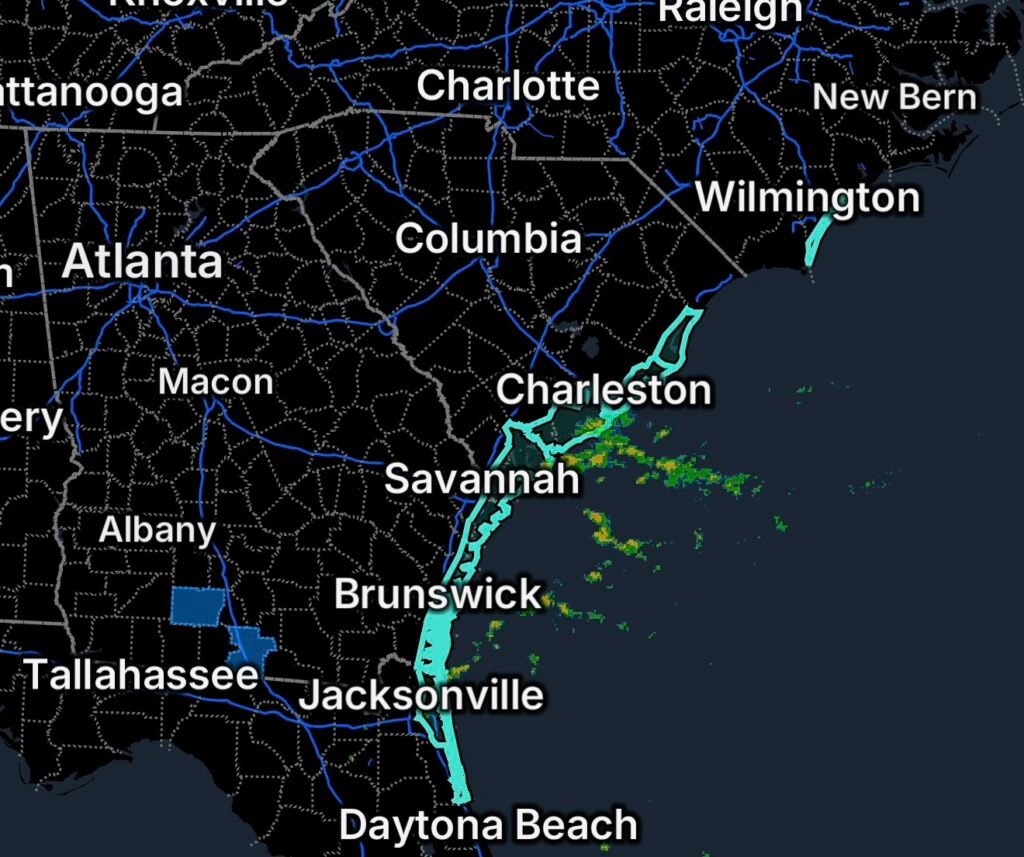
A Rip Current Statement is affecting multiple coastal counties across North Carolina, South Carolina, Georgia and Florida on September 8, 2026, putting beachgoers at increased risk of dangerous currents.
Rip currents are powerful channels of water that move away from the shoreline. They can occur even when skies are sunny and beach conditions appear inviting. The National Weather Service notes that rip currents can sweep even strong swimmers away from shore.
Where the Rip Current Statements Are in Effect
North Carolina
In North Carolina, the Rip Current Statement includes:
- Coastal Pender County
- Coastal New Hanover County
Beach visitors along these areas should check local beach conditions and posted warning flags before entering the water.
South Carolina
The coastal South Carolina areas included are:
- Coastal Georgetown County
- Coastal Colleton County
- Coastal Charleston County
- Beaufort County
- Coastal Jasper County
The National Weather Service Charleston office specifically reports a High Rip Current Risk for Coastal Colleton and Charleston counties through this evening.
The coastal Carolinas deserve particular attention because rip currents are the leading weather-related killer along the North and South Carolina coastline.
Georgia
The statement extends across several coastal Georgia counties:
- Coastal Bryan County
- Coastal Chatham County
- Coastal Liberty County
- Coastal McIntosh County
Anyone heading to beaches, inlets or other surf areas should take posted beach warnings seriously.
Florida
In northeast Florida, the affected areas include:
- Coastal Nassau County
- Coastal Duval County
- Northeast Coastal St. John’s County
- Southeast Coastal St. John’s County
Conditions can change quickly, particularly around inlets, sandbars, piers and other structures where rip currents commonly develop.
Why Rip Currents Are Dangerous
Rip currents form when waves push water toward the shoreline and that water finds a narrow pathway back toward the ocean. The resulting current can move rapidly offshore.
Importantly, rip currents do not pull swimmers underwater. Instead, they pull people away from shore. Panic and attempts to swim directly against the current can quickly lead to exhaustion.
Rip currents can also occur on otherwise beautiful beach days. Therefore, clear skies or warm temperatures should never be considered proof that the surf is safe.
What to Do If You Are Caught in a Rip Current
If you become caught in a rip current:
- Stay calm and do not panic.
- Do not swim directly against the current.
- Swim parallel to the shoreline to move out of the strongest part of the current.
- Once free of the current, swim diagonally back toward shore.
- If you cannot escape, float or tread water and signal for help.
- If possible, swim near a lifeguard and follow beach warning flags.
If someone else is struggling in a rip current, do not rush into the water after them without flotation equipment. Instead, alert a lifeguard or call 911 and, when possible, provide flotation support from shore.
Beach Safety Is the Best Defense
Before entering the ocean, check the local beach forecast, look for warning flags and ask a lifeguard about current conditions. The National Weather Service recommends swimming at beaches with lifeguards whenever possible.
For today’s affected coastline, the safest choice may be to stay out of the surf when a high rip current risk is posted.
Radar Watch HQ Final Thoughts
The September 8 Rip Current Statement highlights a widespread beach safety concern stretching from coastal North Carolina through South Carolina and Georgia into northeast Florida. Even experienced swimmers can be overwhelmed by a strong rip current.
Know the conditions before entering the water, stay near lifeguards, respect beach warning flags and never underestimate the ocean.
Stay weather-aware and stay safe at the coast.