




Severe Thunderstorm Warning Issued for Baraga County, Michigan: 1.25-Inch Hail and 50 MPH Wind Threat
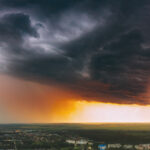
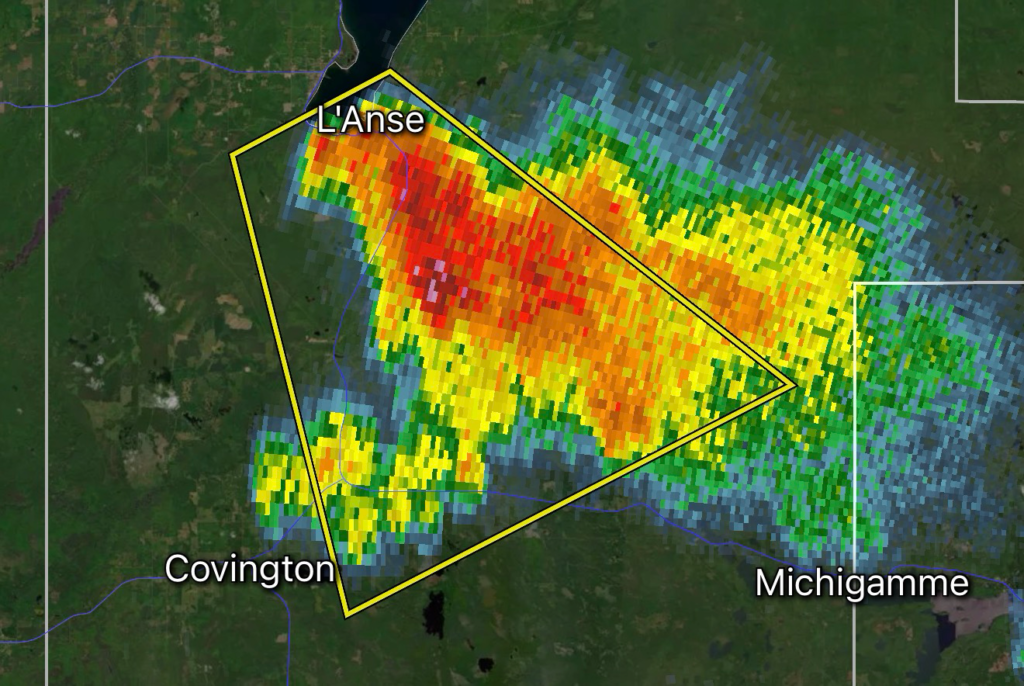
A Severe Thunderstorm Warning has been issued for Baraga County, Michigan, as a powerful thunderstorm moves through the region capable of producing hail up to 1.25 inches in diameter and damaging wind gusts up to 50 mph. Residents should take immediate precautions as these storms may produce dangerous weather conditions capable of damaging property and creating hazardous travel.
Hail measuring 1.25 inches, approximately the size of a half-dollar coin, is large enough to dent vehicles, break windows, damage roofing materials, and destroy crops and gardens. Although forecast wind gusts of 50 mph are below the National Weather Service’s traditional severe wind threshold, they remain strong enough to bring down tree limbs, scatter unsecured outdoor furniture, and create isolated power outages.
Heavy rainfall accompanying the storm may also lead to reduced visibility on roadways and localized ponding of water in low-lying areas. Drivers should slow down during periods of intense rain and avoid driving through flooded roads where water depth is unknown.
Residents in Baraga County are encouraged to move indoors immediately and remain away from windows until the storm has passed. Secure loose outdoor objects if it is safe to do so before the storm arrives, and monitor weather alerts for any updates or additional warnings.
The National Weather Service continues to monitor this thunderstorm closely. Weather conditions can change rapidly, and additional warnings may be issued if the storm strengthens or new hazards develop.
Stay with Radar Watch HQ for the latest severe weather updates, radar coverage, and important safety information as this storm moves across northern Michigan.
Affiliate Disclosure: As an Amazon Associate, Radar Watch HQ earns from qualifying purchases.
Radar Watch HQ Top 5 Essential Emergency Preparedness Picks
Whether you’re preparing for severe thunderstorms, flash flooding, hurricanes, wildfires, or extended power outages, these five emergency essentials can help keep your household safer when severe weather strikes.
A portable power station provides reliable backup electricity during outages, allowing you to power phones, medical devices, laptops, lights, small appliances, and communication equipment without fuel.
Best for:
- Extended power outages
- Severe thunderstorms
- Hurricanes
- Winter storms
- Wildfires
2. Flood Protection Barriers & Sandless Flood Bags
Flood barriers help divert or absorb water before it enters garages, doorways, and low-lying areas. They deploy quickly and can help reduce property damage during flash flooding.
Best for:
- Flash Flood Warnings
- Heavy rainfall
- River flooding
- Coastal flooding
3. Rechargeable LED Flashlights
Bright, dependable flashlights are essential when the power goes out. Rechargeable or solar-powered models provide long-lasting illumination for navigating safely indoors and outdoors.
Best for:
- Overnight power outages
- Emergency evacuations
- Storm damage inspections
Keep phones, tablets, weather radios, and USB-powered devices charged when the electrical grid is unavailable. A solar power bank offers an additional charging option during prolonged emergencies.
Best for:
- Communication during outages
- Emergency weather alerts
- Travel and evacuation
A NOAA Weather Radio delivers official weather alerts directly from the National Weather Service, even when cellular networks or internet service are unavailable. It remains one of the most dependable ways to receive life-saving warnings.
Best for:
- Tornado warnings
- Severe thunderstorm warnings
- Flash flood warnings
- Hurricane alerts
- Winter storm emergencies
Why Radar Watch HQ Recommends These Essentials
At Radar Watch HQ, preparedness is just as important as staying informed. These five emergency essentials can help you stay connected, protect your property, and safely navigate severe weather events. Having supplies ready before storms arrive allows you to respond quickly when warnings are issued and conditions begin to deteriorate.