





Small Craft Advisory and Heat Advisory Issued for Western Washington: Dangerous Marine Conditions and Hot Weather Expected
Western Washington is facing two significant weather hazards as the National Weather Service has issued both a Small Craft Advisory for the coastal waters and a Heat Advisory for much of the Puget Sound region. Boaters should prepare for hazardous marine conditions, while residents across the Seattle metropolitan area and surrounding communities should take precautions against dangerous heat.
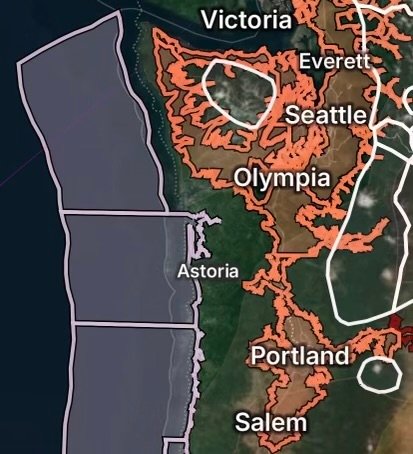
Small Craft Advisory for Washington and Northern Oregon Coastal Waters
A Small Craft Advisory is in effect for:
- Coastal waters from Cape Shoalwater, Washington, to Cape Falcon, Oregon, out to 10 nautical miles
- Coastal waters from Cape Shoalwater, Washington, to Cape Falcon, Oregon, extending from 10 to 60 nautical miles offshore
Increasing winds and rough seas will create hazardous conditions for smaller vessels. Operators of recreational boats, fishing vessels, kayaks, and other small watercraft should use extreme caution or postpone trips until conditions improve.
Marine Safety Tips
- Check the latest marine forecast before departing.
- Wear a properly fitted U.S. Coast Guard-approved life jacket.
- Secure loose equipment on board.
- Be prepared for sudden rough seas and stronger wind gusts.
- Inform someone on shore of your boating plans.
Heat Advisory Across the Seattle Metro and Surrounding Areas
A Heat Advisory is also in effect for numerous communities across western Washington, including:
- Eastern Kitsap County
- City of Seattle
- Downtown Everett and Marysville
- Eastside communities
- Foothills and valleys of Central King County
- Foothills and valleys of Pierce and Southern King Counties
- Foothills and valleys of Snohomish and Northern King Counties
- Lowlands of Pierce and Southern King Counties
- Shoreline, Lynnwood, and South Everett
Temperatures are expected to rise well above seasonal averages, increasing the risk of heat-related illnesses, particularly for older adults, children, outdoor workers, and individuals without access to air conditioning.
Heat Safety Recommendations
- Drink plenty of water throughout the day.
- Stay indoors in air-conditioned buildings whenever possible.
- Limit strenuous outdoor activities during the hottest afternoon hours.
- Wear lightweight, loose-fitting, light-colored clothing.
- Check on elderly family members, neighbors, and anyone vulnerable to heat.
- Never leave children or pets inside parked vehicles.
- Watch for symptoms of heat exhaustion and heat stroke, including dizziness, heavy sweating, nausea, confusion, or loss of consciousness.
Stay Weather Aware
The combination of hazardous marine conditions along the Pacific coast and dangerous heat inland creates elevated risks across western Washington. Residents and visitors should continue monitoring weather forecasts and follow guidance from local emergency officials until these advisories expire.
Remaining informed and taking preventative measures can help protect lives during this period of hazardous weather.
Radar Watch HQ Top 5 Essentials for Extreme Heat
Affiliate Disclosure: As an Amazon Associate, Radar Watch HQ earns from qualifying purchases.
When an Extreme Heat Watch or Heat Advisory is in effect, having the right gear can help you stay safer and more comfortable.
A compact, battery-powered fan provides cooling while traveling, working outdoors, waiting at events, or during power outages.
2. Insulated Water Bottle or Tumbler
A high-quality insulated bottle or cup keeps water cold for hours, making it easier to stay hydrated throughout the day.
A handheld misting fan or spray bottle delivers instant cooling by combining fine water mist with airflow.
Portable air conditioners, evaporative coolers (where appropriate), or high-performance tower fans can help reduce indoor temperatures during dangerous heat.
5. Electrolyte Hydration Packets or Drinks
Electrolyte supplements help replace minerals lost through heavy sweating and support hydration during prolonged heat exposure.