











Tropical Storm Bavi Leaves Communities Facing Recovery After Widespread Destruction
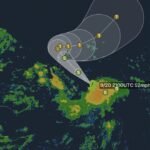
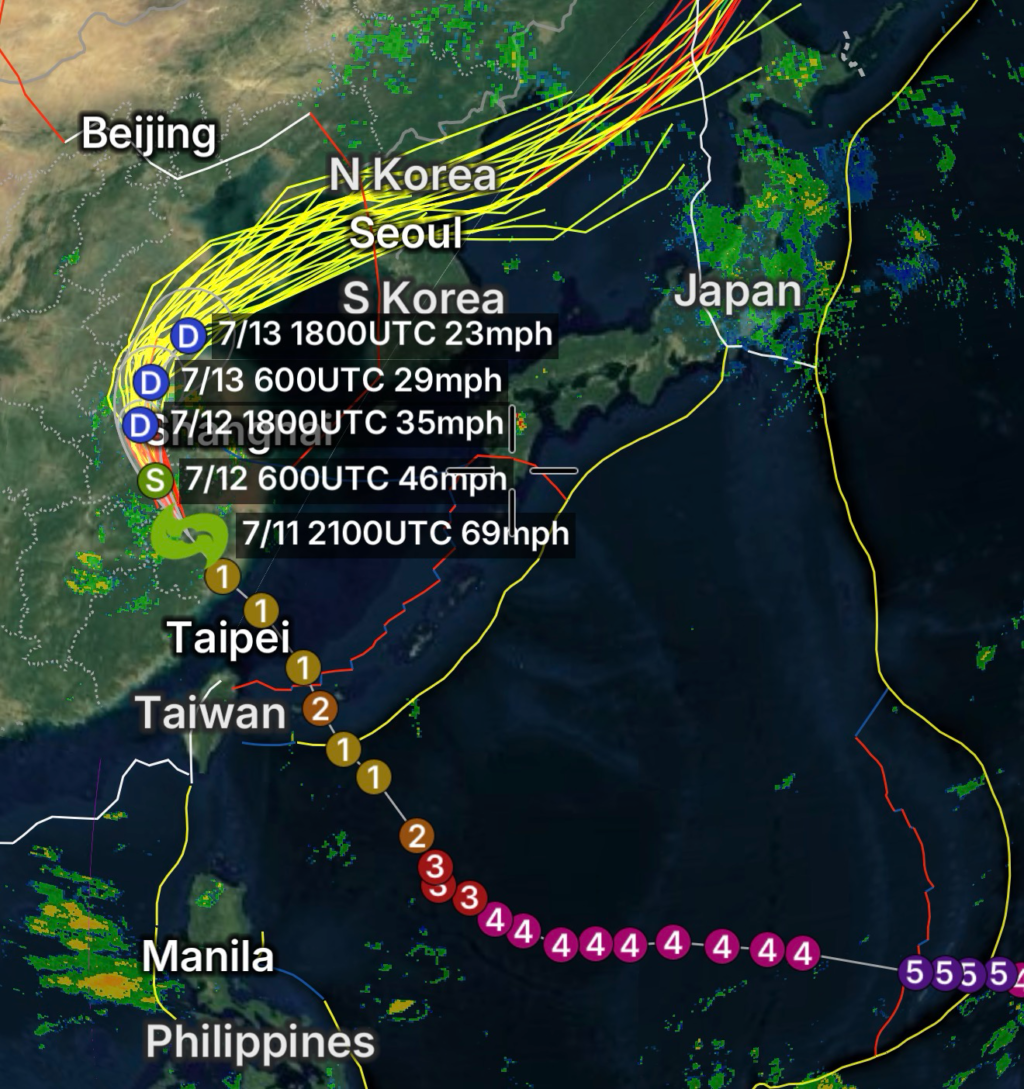
Tropical Storm Bavi continues to leave a significant mark across the western Pacific after making landfall as a powerful typhoon before weakening into a tropical storm. While the storm has gradually lost strength, its impacts remain severe as emergency crews work to restore damaged infrastructure and assist affected communities.
Bavi first brought destructive conditions to the Northern Mariana Islands and Guam before tracking toward Taiwan and eastern China. The storm produced hurricane-force winds, torrential rainfall, dangerous storm surge, and widespread flooding. Millions of residents were evacuated in advance of landfall as governments activated emergency response plans to protect lives.
Communities Face Flooding and Wind Damage
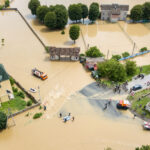
Across eastern China, powerful winds toppled thousands of trees, damaged homes, disrupted transportation networks, and flooded neighborhoods. Roads became impassable in several communities while emergency crews cleared debris and responded to reports of localized landslides.
Air travel and rail services experienced major disruptions, with hundreds of flights canceled and transportation systems temporarily shut down as officials prioritized public safety. Authorities evacuated more than two million residents from vulnerable coastal areas before the storm arrived.
Taiwan and Pacific Islands Experience Dangerous Conditions
Although Taiwan avoided a direct landfall, the outer bands of Bavi still produced damaging wind gusts, heavy rainfall, coastal hazards, and numerous weather-related injuries. Residents were urged to remain indoors as emergency services responded to fallen trees, power outages, and localized flooding.
Earlier in its life cycle, Super Typhoon Bavi struck the Northern Mariana Islands with catastrophic winds, causing structural damage, downed power lines, and prolonged power outages. Recovery efforts continue as communities assess damage and restore essential services.
Long-Term Recovery Begins
As floodwaters gradually recede, many communities now face the lengthy process of rebuilding homes, restoring utilities, repairing roads, and supporting local businesses. Emergency management agencies continue damage assessments while monitoring rivers and unstable hillsides where additional flooding or landslides remain possible.
Weather experts note that rapidly intensifying tropical cyclones like Bavi highlight the importance of early warnings, evacuation planning, and community preparedness, particularly as warmer ocean temperatures can fuel stronger storms.
Safety Reminder
Even after a tropical storm weakens, hazards often remain. Flooded roads, downed power lines, weakened trees, and saturated ground can continue to pose dangers for days after the storm passes. Residents should follow guidance from local emergency management officials and avoid entering floodwaters until authorities declare affected areas safe.