




Tropical Storm Cristina Continues to Impact Central America
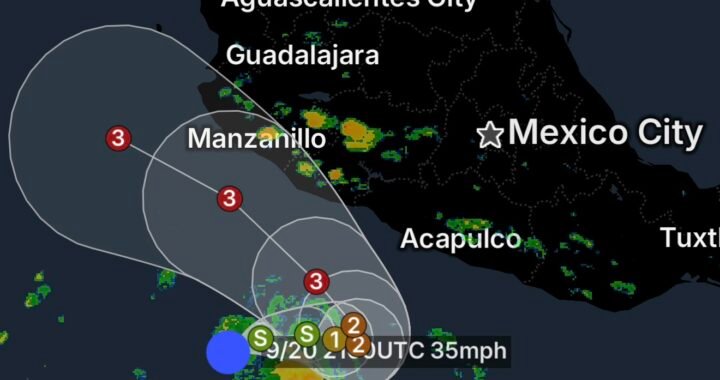
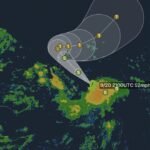
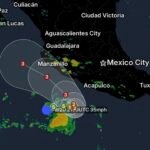
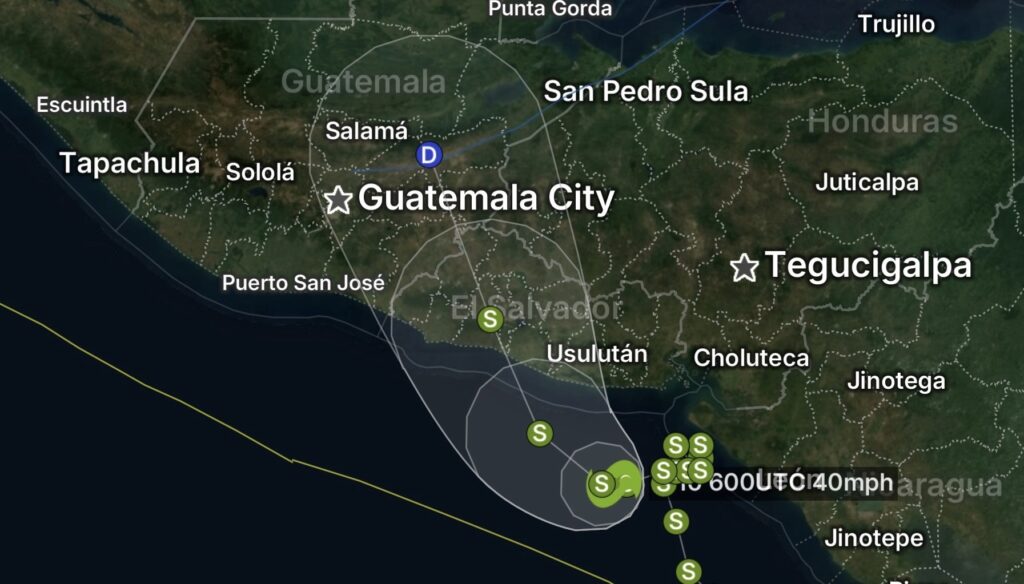
Tropical Storm Cristina remains a significant weather concern across portions of Central America, primarily because of its potential to produce excessive rainfall and dangerous flooding. While the storm’s winds remain relatively modest, the slow-moving nature of Cristina is allowing heavy rain bands to repeatedly move over the same areas.
Forecasters indicate that rainfall totals could exceed several inches across Nicaragua, Honduras, El Salvador, and Guatemala, creating a heightened risk of flash flooding and mudslides, especially in mountainous regions.
Why Cristina Is a Major Flood Threat
Unlike powerful hurricanes that generate widespread wind damage, Cristina’s greatest danger comes from prolonged periods of heavy rainfall.
Main Hazards
- Flash flooding in urban and low-lying areas
- River flooding and rapidly rising streams
- Mudslides and landslides in mountainous terrain
- Dangerous travel conditions due to flooded roadways
- Isolated power outages from saturated soils and fallen trees
Communities near rivers and steep hillsides should remain especially alert for changing conditions.
Forecast Outlook
Meteorologists expect Cristina to move slowly during the next several days, allowing moisture to continue streaming inland from the eastern Pacific Ocean.
Expected Conditions
- Repeated rounds of tropical downpours
- Localized rainfall totals exceeding forecast averages
- Continued flood concerns through midweek
- Gradual weakening possible later in the forecast period
Even if the storm weakens, rainfall impacts may continue after the center dissipates.
Flood Safety Tips
If a Flash Flood Warning Is Issued:
✅ Move to higher ground immediately
✅ Avoid driving through flooded roadways
✅ Monitor local emergency alerts
✅ Have multiple ways to receive weather warnings
✅ Be prepared to evacuate if instructed
Remember:
Turn Around, Don’t Drown. Most flood-related fatalities occur in vehicles attempting to cross flooded roads.
Weather Pattern to Watch
Cristina serves as a reminder that tropical systems do not need hurricane-force winds to create life-threatening impacts. Slow-moving tropical storms frequently produce some of the most significant flooding events due to prolonged rainfall over the same locations.
Residents across Central America should continue monitoring official forecasts and local emergency management guidance throughout the week.