

Air Quality Map USA – Daily Air Quality Report | July 15, 2026
The Radar Watch HQ Daily Air Quality Report provides a nationwide overview of current air quality conditions across the United States using the latest Air Quality Index (AQI) data. As wildfire smoke, summer heat, ozone, and airborne particulates continue to affect millions of Americans, checking the daily air quality map has become an important part of preparing for outdoor activities.
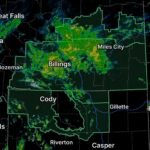
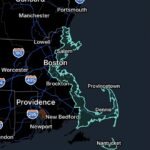
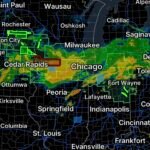
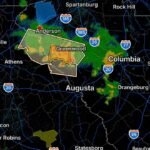
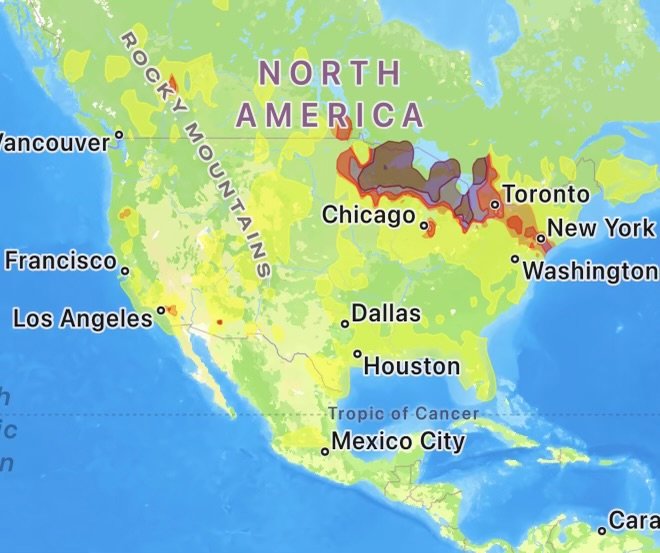
For July 15, 2026, air quality conditions vary widely across the country. While many western and southern states continue to experience Good to Moderate air quality, portions of the Midwest, Great Lakes, Northeast, and Mid-Atlantic are seeing deteriorating conditions due to smoke drifting south from large Canadian wildfires. Air quality alerts have been issued in several states as elevated levels of fine particulate matter (PM2.5) reduce visibility and increase health risks.
Air Quality Highlights – July 15, 2026
- Good (Green AQI): Much of the Southwest, portions of the Southeast, and many western states.
- Moderate (Yellow AQI): Common across much of the central United States where outdoor activity remains safe for most people.
- Unhealthy for Sensitive Groups (Orange AQI): Areas impacted by wildfire smoke, especially across parts of the Midwest and Northeast.
- Unhealthy (Red AQI): Localized areas experiencing dense smoke concentrations where everyone may begin experiencing health effects.
Canadian Wildfire Smoke Continues to Impact the U.S.
Smoke from hundreds of active wildfires burning across Canada continues moving southward into the United States. Weather patterns have transported smoke across Minnesota, Wisconsin, Michigan, Illinois, Pennsylvania, New York, New England, and portions of the Mid-Atlantic, creating hazy skies and reducing air quality throughout the region.
Several northeastern states have issued Air Quality Alerts as PM2.5 concentrations increase. These tiny particles can travel deep into the lungs and are especially dangerous for children, older adults, pregnant individuals, and those with asthma, COPD, or heart disease.
Understanding the Air Quality Index (AQI)
The U.S. Environmental Protection Agency uses the Air Quality Index (AQI) to measure daily air pollution levels:
- 0–50: Good (Green)
- 51–100: Moderate (Yellow)
- 101–150: Unhealthy for Sensitive Groups (Orange)
- 151–200: Unhealthy (Red)
- 201–300: Very Unhealthy (Purple)
- 301+: Hazardous (Maroon)
Health Safety Tips
If your area is experiencing poor air quality:
- Limit prolonged outdoor activities.
- Keep windows and doors closed.
- Run air conditioning on recirculate when possible.
- Consider using a HEPA air purifier indoors.
- Wear a properly fitted N95 respirator if you must spend extended time outside during heavy smoke.
- Monitor symptoms including coughing, difficulty breathing, chest tightness, or eye irritation.
Check the Air Quality Map Daily
Air quality can change rapidly due to shifting winds, wildfire smoke, ozone production, and local weather conditions. Daily monitoring helps families, outdoor workers, athletes, and individuals with respiratory conditions make informed decisions before spending time outside.
Radar Watch HQ will continue providing daily Air Quality Map updates alongside wildfire, severe weather, flood, tropical, and heat coverage to help you stay informed wherever you are in the United States.
Radar Watch HQ Air Quality Essentials
Affiliate Disclosure: As an Amazon Associate, Radar Watch HQ earns from qualifying purchases.
- HEPA Air Purifier – Helps remove smoke, dust, pollen, and fine particulate matter (PM2.5) from indoor air.
- N95 Respirator Masks – Provides added protection when outdoor air quality reaches unhealthy levels.
- Portable Air Quality Monitor – Tracks indoor PM2.5, AQI, temperature, and humidity in real time.
- Replacement HEPA Air Filters – Keep home HVAC systems and air purifiers operating efficiently during extended air quality events.
- Portable Battery Power Station – Keeps air purifiers, fans, phones, and other essential devices powered during outages caused by severe weather or wildfire-related emergencies.