




Understanding the USA Humidity Map and Its Impact on Weather
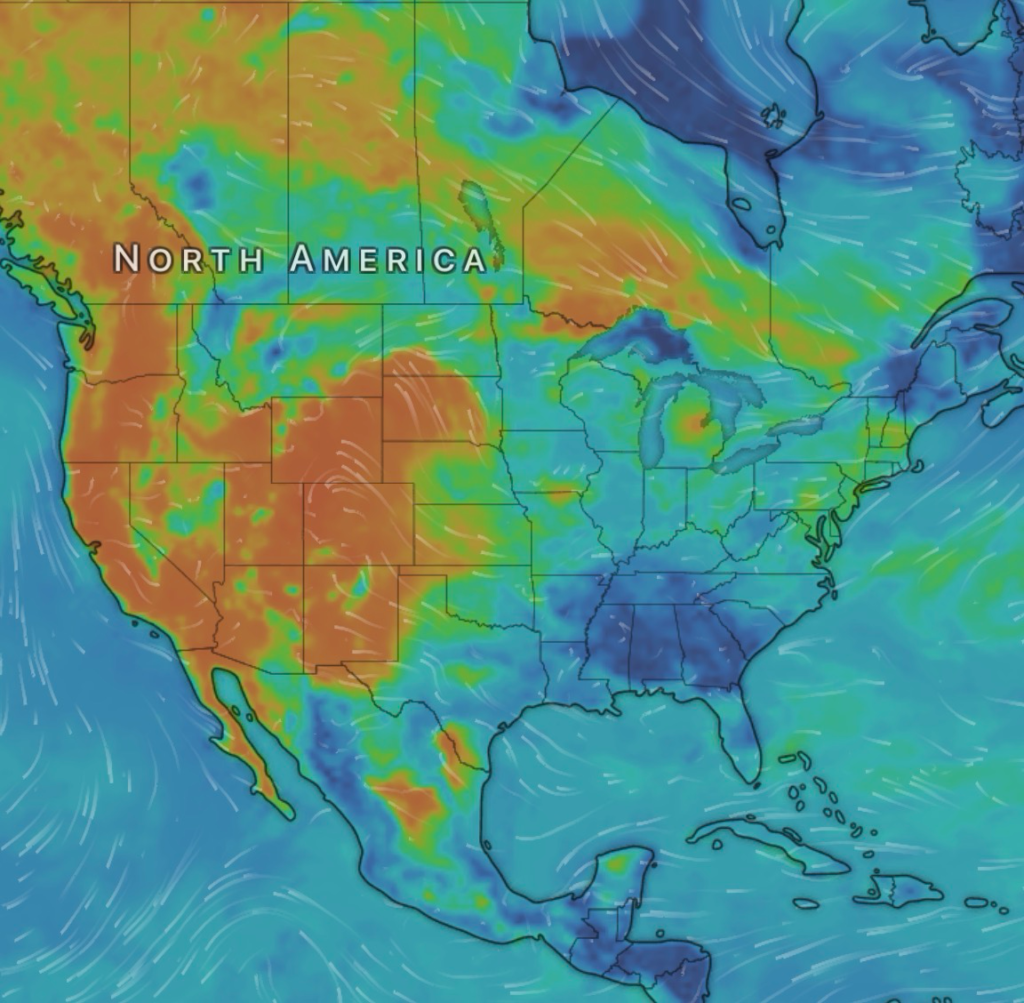
Humidity is one of the most important factors influencing how weather feels and how storms develop across the United States. A national humidity map shows where moisture levels are elevated and where dry air dominates, helping meteorologists track heat stress, thunderstorm potential, and changing weather patterns.
While humidity does not increase the actual air temperature, it can make temperatures feel much hotter by slowing the body’s ability to cool through evaporation. High humidity combined with warm temperatures can create dangerous heat index conditions.
Radar Watch HQ monitors humidity trends to help track how moisture impacts communities across the country.
Southeast: Extreme Humidity and Dangerous Heat Conditions
The Southeast is typically one of the most humid regions in the United States. Moisture from the Gulf of Mexico and Atlantic Ocean frequently creates oppressive summer humidity levels.
States impacted include:
- Florida
- Georgia
- Alabama
- Mississippi
- Louisiana
- South Carolina
High humidity can lead to:
- Higher heat index values
- Increased heat stress
- Reduced nighttime cooling
- Stronger afternoon thunderstorms
- Greater demand for air conditioning
The combination of heat and humidity can make outdoor activities more challenging and increase the risk of heat-related impacts.
Gulf Coast: The Nation’s Moisture Source
The Gulf Coast often experiences some of the highest humidity levels in the country due to warm ocean waters supplying moisture into the atmosphere.
High humidity along the Gulf Coast can contribute to:
- Extreme heat index conditions
- Tropical moisture surges
- Heavy rainfall potential
- Strong thunderstorms
- Increased energy demand
Moisture-rich air from the Gulf frequently travels northward, influencing weather patterns across the Plains and Midwest.
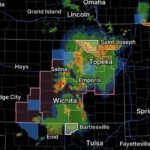
Midwest: Humidity Fuels Heat and Severe Weather
Humidity plays a major role in Midwest weather patterns. When warm, moist air moves north from the Gulf of Mexico, it can increase atmospheric instability.
Higher humidity across areas such as:
- Texas
- Oklahoma
- Kansas
- Missouri
- Iowa
- Illinois
- Minnesota
can contribute to:
- Severe thunderstorms
- Heavy rainfall
- Lightning activity
- Hail development
- Higher heat index values
Meteorologists often monitor humidity levels closely because moisture is a key ingredient for storm development.
Great Plains: Rapid Changes in Moisture Levels
The Great Plains can experience quick shifts between dry and humid conditions. Moisture moving northward can create uncomfortable heat and increase the potential for severe weather.
Humidity impacts across the Plains include:
- Strong thunderstorm development
- Increased storm energy
- Heat stress for outdoor workers
- Agricultural impacts
Farmers and communities rely on humidity trends to prepare for changing weather conditions.
Northeast and Mid-Atlantic: Summer Mugginess
The Northeast and Mid-Atlantic regions can experience periods of high humidity during summer when warm air combines with moisture from the Atlantic Ocean and nearby waterways.
High humidity may cause:
- Warmer-feeling temperatures
- Increased heat index readings
- Uncomfortable outdoor conditions
- Higher cooling needs
Large cities such as New York City, Philadelphia, and Washington D.C. can experience significant impacts when humidity levels rise.
Southwest: Dry Heat Dominates
The Southwest generally experiences lower humidity compared with the eastern United States, but extreme heat remains the primary concern.
States including:
- Arizona
- Nevada
- New Mexico
- Southern California
often experience:
- Very high temperatures
- Rapid evaporation
- Increased wildfire concerns
- Dangerous heat exposure
Even with lower humidity, extreme temperatures can create hazardous conditions.
West Coast: Coastal Moisture vs. Inland Dry Conditions
Humidity varies greatly across the West Coast.
Coastal areas may experience:
- Marine moisture
- Morning clouds
- Cooler temperatures
Inland areas often experience:
- Dry heat
- Low humidity
- Increased wildfire risk
- Rapid drying of vegetation
Humidity levels are an important factor in wildfire behavior because dry conditions can allow fires to spread more quickly.
Rocky Mountains: Humidity and Summer Storm Development
Humidity increases during seasonal moisture patterns can influence weather across the Rocky Mountains.
Higher moisture levels can lead to:
- Afternoon thunderstorms
- Lightning risks
- Flash flooding
- Rapid weather changes
Mountain communities often monitor humidity trends because storms can develop quickly in higher terrain.
How Humidity Affects Everyday Life
Health Impacts
High humidity can increase heat stress by making it harder for the body to cool itself.
Potential concerns include:
- Faster dehydration
- Heat exhaustion risk
- Reduced comfort outdoors
Travel Impacts
Humidity can influence:
- Outdoor comfort
- Thunderstorm development
- Visibility conditions
Agriculture Impacts
Humidity affects:
- Crop moisture levels
- Plant disease development
- Evaporation rates
Energy Impacts
High humidity often increases:
- Air conditioning use
- Electricity demand
- Cooling costs
Radar Watch HQ Humidity Monitoring
Humidity is more than just a measure of moisture in the air—it is a major driver of summer weather across the United States. From heat index concerns in the Southeast to severe thunderstorm development in the Plains and Midwest, humidity plays a critical role in understanding weather risks.
Stay weather aware with Radar Watch HQ for nationwide weather intelligence, severe weather alerts, heat updates, wildfire conditions, and changing weather patterns.