






Extreme Heat Warnings & Air Quality Alerts
A dangerous and prolonged weather pattern is gripping the Western United States, forcing millions of residents under severe weather advisories. A powerful combination of extreme high temperatures and declining air quality is impacting regions spanning across Arizona, California, and Nevada.
Authorities urge residents in the affected zones to take immediate precautions as heat risks reach major to extreme levels.
Fast Facts: Regional Heat & Air Quality Hazards
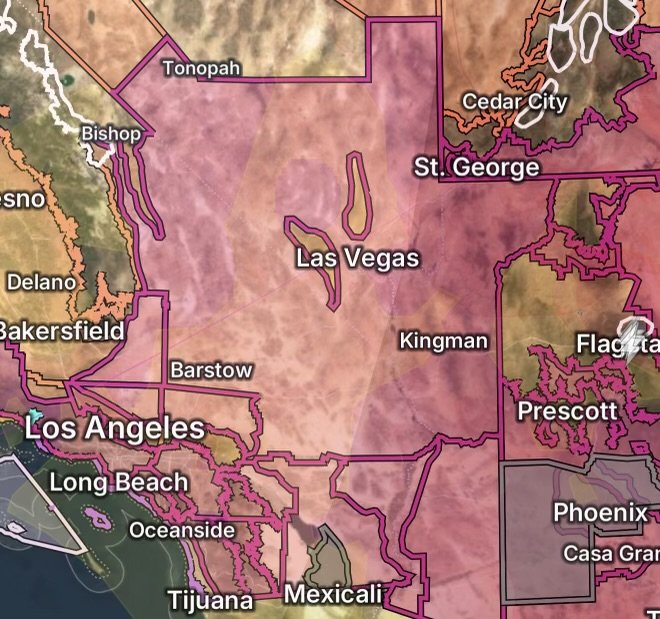
Extreme Heat Warning Regions: Northwest Arizona, southeast California, south-central and southern Nevada, including the Parker Valley, Yuma, Imperial Valley, Palo Verde Valley, and the broader Mojave Desert.
Core Temperature Threats: Dangerously hot afternoon conditions with highs soaring between 110°F and 120°F, paired with little to no overnight relief (lows staying trapped between 80°F and 95°F).
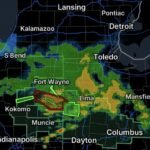
Air Quality Alerts: Active advisories for regions like the Imperial Valley and Maricopa County, where ground-level ozone pollution fluctuates intensely based on local emissions, stagnant atmospheric transport, and time of day.
Heat Advisories: Enacted for inland lower zones, including the San Joaquin Valley and adjacent foothills.
Action Required: Limit strenuous outdoor activities during peak afternoon hours, remain hydrated, stay in air-conditioned environments, and monitor local air quality updates.
Understanding the Regional Extreme Heat Warnings
High pressure dominating the Intermountain West and the desert Southwest is fueling an intense, multi-day heat wave. Dangerous heat warnings remain active through Sunday evening.
The Mojave Desert & Desert Southwest: Portions of northwest Arizona, southeast California, and southern Nevada are experiencing blistering conditions with highs reaching up to 120°F in extreme locations like Death Valley and 110°F–115°F across valley floors.
Parker Valley, Yuma, Imperial Valley, and Palo Verde Valley: Communities across La Paz, Yuma, Imperial, and Riverside counties face severe heat risks. Afternoon maximums consistently test or exceed historical thresholds, elevating the threat of rapid-onset heat illnesses such as heat exhaustion and heatstroke.
San Joaquin Valley Heat Advisory: Inland valley locations and adjacent foothills are also enduring significant heat stress, prompting localized heat advisories as persistent warmth builds up across central California.
Air Quality Concerns: Ozone Pollution in Imperial and Maricopa Counties
Compounding the physiological stress of the scorching temperatures, air quality has degraded across key desert basins.
Imperial Valley Ozone Variations: Ground-level ozone pollution levels in the Imperial Valley fluctuate heavily depending on local emissions, sunlight intensity, and atmospheric transport patterns. Stagnant high-pressure air traps pollutants near the surface, creating hazy skies and sub-optimal air quality conditions.
Maricopa County Advisories: Maricopa County is operating under strict heat and air pollution management protocols, discouraging activities like leaf-blowing and off-road vehicle use to curb additional particulate and ozone spikes.
Health Impacts: High ozone and particulate concentrations can severely irritate the respiratory system, leading to coughing, throat irritation, chest pain, and aggravated asthma symptoms—especially for sensitive groups, children, and outdoor workers.
Heat Safety and Clean Air Checklist
When extreme heat and poor air quality combine, protecting your health requires deliberate, proactive steps:
Stay Hydrated Continuously: Drink plenty of water throughout the day before you feel thirsty. Avoid sugary, highly caffeinated, or alcoholic beverages that accelerate dehydration.
Limit Outdoor Exposure: Reschedule strenuous physical tasks, workouts, or yard work to the early morning or late evening hours when temperatures—and ozone levels—are typically lower.
Protect Your Respiratory Health: If you live in the Imperial Valley or Maricopa County during an air quality alert, monitor real-time AQI indexes. Consider staying indoors with filtered air conditioning if you suffer from respiratory or heart conditions.
Never Leave Children or Pets in Vehicles: Vehicle interiors turn into fatal thermal traps within minutes, even if windows are left slightly cracked.
Check on Vulnerable Neighbors: High ambient temperatures pose life-threatening risks to the elderly, pets, and isolated neighbors who may lack adequate home cooling.
Stay tuned to the National Weather Service and local environmental protection agencies for continuous updates on cooling shelter locations, expiration timelines for the Extreme Heat Warnings, and daily air quality forecasts.
Radar Watch HQ Top 5 Essentials for Extreme Heat
Affiliate Disclosure: As an Amazon Associate, Radar Watch HQ earns from qualifying purchases.
When an Extreme Heat Watch or Heat Advisory is in effect, having the right gear can help you stay safer and more comfortable.
A compact, battery-powered fan provides cooling while traveling, working outdoors, waiting at events, or during power outages.
2. Insulated Water Bottle or Tumbler
A high-quality insulated bottle or cup keeps water cold for hours, making it easier to stay hydrated throughout the day.
A handheld misting fan or spray bottle delivers instant cooling by combining fine water mist with airflow.
Portable air conditioners, evaporative coolers (where appropriate), or high-performance tower fans can help reduce indoor temperatures during dangerous heat.
5. Electrolyte Hydration Packets or Drinks
Electrolyte supplements help replace minerals lost through heavy sweating and support hydration during prolonged heat exposure.