

Choking Smoke and Critical Fire Weather: Air Quality Alerts Sweep Idaho and Oregon While Power Outages Impact Harney County
A potent mix of environmental hazards is impacting the Pacific Northwest, bringing widespread health risks and operational challenges. Heavy wildfire smoke has prompted severe air quality advisories across multiple counties in Idaho and Oregon, while high fire danger and regional power outages compound emergency concerns.
Fast Facts: Regional Air Quality & Fire Hazards
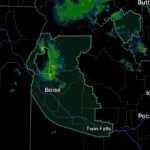
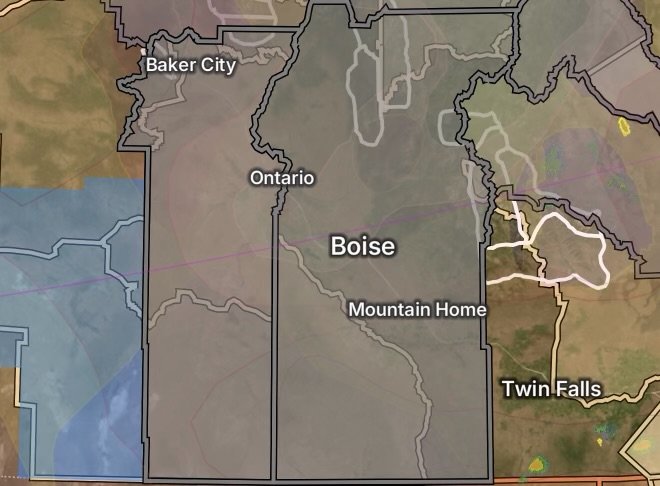
Idaho Air Quality Zones: Active advisories covering Ada, Adams, Boise, Canyon, Elmore, Gem, Owyhee, Payette, Valley, and Washington counties.
Oregon Air Quality Zones: Severe smoke impacts spilling over into Baker and Malheur counties.
Critical Fire Weather Zones (Oregon): High fire danger targeting Zone 673 (Central Canyonlands), Zone 674 (Northwestern Vale BLM), and Zone 675 (Baker Valley).
Infrastructure Disruptions: Localized power outages reported in Harney County, Oregon, complicating local cooling and communication efforts.
Core Health Threat: Particulate matter and smoke pushing Air Quality Index (AQI) levels to unhealthy or very unhealthy thresholds, threatening the general population.
Severe Air Quality Alerts Across Idaho and Oregon
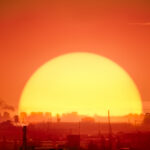
Stagnant atmospheric conditions and regional wildfire activity have trapped thick layers of smoke across the lower elevations and valleys of the region.
The Idaho Impact Zone: Ten counties—Ada, Adams, Boise, Canyon, Elmore, Gem, Owyhee, Payette, Valley, and Washington—are under strict air quality advisories. Forecasts indicate that the Air Quality Index (AQI) could reach “Very Unhealthy” levels, posing emergency-level health risks where even healthy individuals may experience adverse symptoms.
Eastern Oregon Extension: Neighboring Baker and Malheur counties are similarly blanketed by drifting smoke, degrading visibility and forcing local environmental health agencies to issue public advisories.
Health Precautions: Authorities urge sensitive groups—including children, the elderly, and those with underlying respiratory or heart conditions—to remain indoors. Open burning is strictly prohibited under active air quality rules.
Critical Fire Weather in Eastern Oregon
In tandem with poor air conditions, dry fuels and gusty winds have elevated wildfire concerns across specific eastern Oregon sectors.
Targeted Fire Weather Zones: NWS monitoring highlights high risks for Zone 673 (Central Canyonlands), Zone 674 (Northwestern Vale BLM), and Zone 675 (Baker Valley).
Dangerous Combination: Low relative humidity, high ambient temperatures, and erratic winds create an environment where any new or existing fire start can catch and spread rapidly. Residents and travelers are strongly discouraged from engaging in any outdoor burning or activities that could spark a wildfire.
Power Outages Hit Harney County, Oregon
Adding infrastructural strain to the natural hazards, residents in Harney County, Oregon, are grappling with localized power outages. When electricity fails during periods of thick smoke and high heat, indoor air filtration systems and cooling units shut down, increasing health vulnerabilities.
Keep refrigerator and freezer doors closed tightly to preserve food safety.
Relocate temporarily to designated community clean-air spaces or public cooling centers if indoor temperatures and air quality become unbearable.
Stay hydrated with cool water and avoid strenuous physical exertion.
Safety Checklist for Smoke and Heat
“When air quality plummets and environmental hazards peak, minimizing exposure is your best defense.”
Monitor Real-Time AQI: Check local environment protection websites before spending any time outdoors.
Seal Indoor Spaces: Keep windows and doors tightly shut. Run air conditioning systems on a recirculate setting with clean HEPA filters.
Avoid Strenuous Activity: Postpone outdoor workouts, yard work, and physical labor until air quality conditions significantly improve.
Check on Vulnerable Neighbors: Ensure that elderly family members, neighbors, and pets have adequate indoor filtration and cool drinking water.
Stay tuned to local emergency management channels, the Department of Environmental Quality (DEQ), and the National Weather Service for continuous updates on smoke trajectories and utility restoration timelines.
Radar Watch HQ Air Quality Essentials
Affiliate Disclosure: As an Amazon Associate, Radar Watch HQ earns from qualifying purchases.
- HEPA Air Purifier – Helps remove smoke, dust, pollen, and fine particulate matter (PM2.5) from indoor air.
- N95 Respirator Masks – Provides added protection when outdoor air quality reaches unhealthy levels.
- Portable Air Quality Monitor – Tracks indoor PM2.5, AQI, temperature, and humidity in real time.
- Replacement HEPA Air Filters – Keep home HVAC systems and air purifiers operating efficiently during extended air quality events.
- Portable Battery Power Station – Keeps air purifiers, fans, phones, and other essential devices powered during outages caused by severe weather or wildfire-related emergencies.