



Tropical Storm Lala Brings a Major Weather Threat to Hawaii
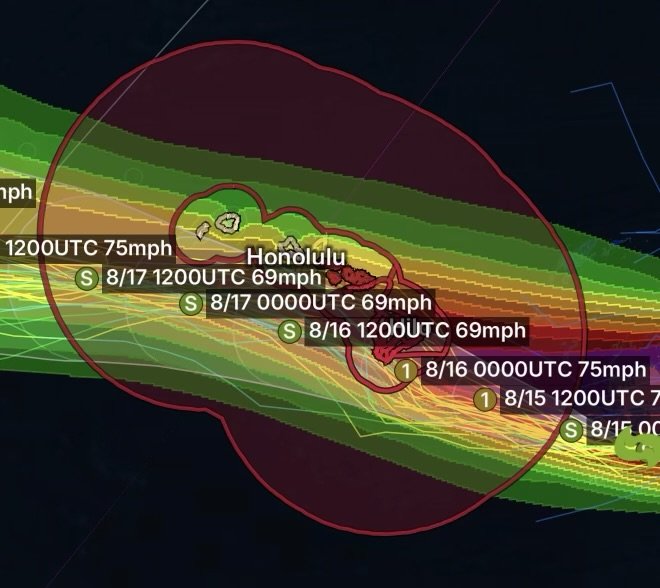
August 14, 2026 — Tropical Storm Lala is becoming an increasingly serious threat to the Hawaiian Islands as it moves west-northwest toward Hawaii. The latest National Weather Service and Central Pacific Hurricane Center information shows Lala with maximum sustained winds near 60 mph, with strengthening expected as the storm approaches the Big Island. (National Hurricane Center)
A Hurricane Warning is in effect for Hawaii County, while a Tropical Storm Watch covers Maui County, including Maui, Lanai, Molokai and Kahoolawe. The storm is expected to bring dangerous winds, heavy rainfall, flash flooding, mudslides and very dangerous ocean conditions. (AP News)
Hurricane Warning: Mauna Kea and Mauna Loa Summits
The Hurricane Warning for Hawaii County includes the Big Island’s high-elevation areas, including the Mauna Kea Summit and Mauna Loa Summit forecast zones.
These locations can experience significantly stronger winds than lower elevations. Mountainous terrain can accelerate wind speeds, creating dangerous conditions for hikers, campers, observatories, workers and anyone traveling toward the summits.
The National Weather Service specifically maintains separate forecast information for the Mauna Kea and Mauna Loa Summits, highlighting the importance of monitoring conditions at these elevations. (National Weather Service)
Travel to exposed summit areas should be avoided while hurricane conditions threaten the Big Island.
Tropical Cyclone Statement Covers the Hawaiian Islands
The Tropical Cyclone Statement provides a broader overview of the developing threat across Hawaii as Lala approaches.
While the strongest winds are expected closest to the storm, tropical systems can produce impacts far from the center. Rain bands can spread across multiple islands, while mountainous terrain can dramatically increase rainfall totals.
Residents should therefore monitor updates even if they live outside the immediate hurricane-warning area.
Flood Watch Threatens Maui and the Big Island
Flooding is one of the most significant hazards associated with Lala.
Heavy tropical rainfall can overwhelm drainage systems, streams and normally dry channels. The threat is especially dangerous in steep terrain, where intense rainfall can rapidly trigger flash flooding, rockfalls and mudslides.
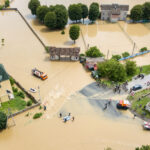
Maui and the Big Island should be particularly alert to rapidly changing conditions. Previous Hawaii flood events have demonstrated how quickly heavy rainfall can produce dangerous flooding, road closures and landslides, especially in mountainous areas. (National Weather Service)
Residents should never attempt to cross a flooded roadway. Water can conceal washed-out pavement, debris or damaged bridges.
Tropical Storm Watch: Kauai and Mount Waialeale Area
The tropical cyclone threat also has implications for the mountains of Kauai, including the Kokee State Park and Mount Waialeale area.
Although the storm’s strongest impacts are expected closer to the Big Island and Maui, tropical moisture can produce heavy rainfall across Hawaii’s mountainous terrain.
Kokee’s steep slopes, narrow roads and remote hiking areas make heavy rain particularly concerning. Sudden runoff can create dangerous stream crossings, muddy trails, falling rocks and localized flooding.
Anyone visiting Kokee State Park or the Mount Waialeale region should closely monitor official weather updates and be prepared for rapidly deteriorating conditions.
What Tropical Storm Lala Could Mean for the Hawaiian Islands
Lala’s impacts will not be limited to wind.
Heavy Rain and Flash Flooding
Forecast rainfall associated with Lala could produce widespread heavy rain, with significantly higher totals possible in mountainous and windward locations. (New York Post)
The combination of tropical moisture and Hawaii’s steep terrain can make flash flooding develop quickly.
Dangerous Winds
As Lala strengthens, hurricane-force conditions could develop near the Big Island. Winds may be considerably stronger across exposed mountain ridges and summits.
Loose outdoor objects, temporary structures, signs and vegetation can become dangerous in strong winds.
Dangerous Surf and Coastal Conditions
Large waves, strong currents and coastal flooding are additional concerns. Beaches, boat ramps, harbors and low-lying coastal roads could become dangerous as the storm approaches.
Even areas that do not experience hurricane-force winds can experience hazardous surf and ocean conditions.
Landslides and Mudslides
Heavy rainfall falling across steep volcanic terrain can destabilize slopes.
Roads near mountains, valleys and steep hillsides could experience rockfalls, debris flows or landslides. Drivers should be prepared for sudden road closures.
Why Hawaii’s Mountains Make This Storm More Dangerous
Hawaii’s geography can amplify tropical-storm impacts.
When moist tropical air encounters the islands’ mountains, the air is forced upward. This process can enhance cloud development and rainfall, particularly on windward slopes.
That means rainfall can vary dramatically from one side of an island to another. A location receiving moderate rain can be only a short distance from an area experiencing much heavier rainfall.
High elevations also present an additional wind hazard. Winds can increase dramatically across exposed ridges and summits, making mountain travel especially dangerous during tropical systems.
Safety Information for Residents and Visitors
Residents in areas under hurricane or tropical-storm warnings should take the warnings seriously and complete preparations before conditions deteriorate.
- Stay indoors when dangerous winds arrive.
- Secure outdoor furniture, decorations and loose objects.
- Stay away from windows during strong winds.
- Avoid flooded roads and never drive through moving water.
- Stay away from streams, rivers and drainage channels during heavy rain.
- Avoid unnecessary travel through mountainous areas.
- Follow evacuation instructions from local officials.
- Keep emergency supplies, medications, food, water and flashlights accessible.
- Monitor official National Weather Service and emergency-management updates.
- Visitors should follow instructions from park officials and local authorities and avoid exposed hiking or summit areas.
If a tornado or extremely strong wind occurs, move to a small interior room on the lowest safe floor and protect your head and neck with your arms, a helmet or sturdy cushions/blankets.
Hawaii Remains on Alert as Lala Approaches
Tropical Storm Lala represents a significant and evolving threat to Hawaii on August 14, 2026. The Big Island faces the greatest immediate concern, with a Hurricane Warning covering Hawaii County and dangerous conditions expected near the island. Maui County remains under a Tropical Storm Watch, while heavy rainfall and flooding could affect additional portions of the island chain. (National Hurricane Center)
The situation can change quickly as Lala strengthens and approaches the islands. Residents and visitors should continue monitoring official forecasts rather than relying on a single forecast track.
For Radar Watch HQ, stay weather-aware, stay prepared, and keep monitoring the latest alerts as Tropical Storm Lala approaches Hawaii.
Affiliate Disclosure: As an Amazon Associate, Radar Watch HQ earns from qualifying purchases.
Radar Watch HQ Top 5 Essential Emergency Preparedness Picks
Whether you’re preparing for severe thunderstorms, flash flooding, hurricanes, wildfires, or extended power outages, these five emergency essentials can help keep your household safer when severe weather strikes.
A portable power station provides reliable backup electricity during outages, allowing you to power phones, medical devices, laptops, lights, small appliances, and communication equipment without fuel.
Best for:
- Extended power outages
- Severe thunderstorms
- Hurricanes
- Winter storms
- Wildfires
2. Flood Protection Barriers & Sandless Flood Bags
Flood barriers help divert or absorb water before it enters garages, doorways, and low-lying areas. They deploy quickly and can help reduce property damage during flash flooding.
Best for:
- Flash Flood Warnings
- Heavy rainfall
- River flooding
- Coastal flooding
3. Rechargeable LED Flashlights
Bright, dependable flashlights are essential when the power goes out. Rechargeable or solar-powered models provide long-lasting illumination for navigating safely indoors and outdoors.
Best for:
- Overnight power outages
- Emergency evacuations
- Storm damage inspections
Keep phones, tablets, weather radios, and USB-powered devices charged when the electrical grid is unavailable. A solar power bank offers an additional charging option during prolonged emergencies.
Best for:
- Communication during outages
- Emergency weather alerts
- Travel and evacuation
A NOAA Weather Radio delivers official weather alerts directly from the National Weather Service, even when cellular networks or internet service are unavailable. It remains one of the most dependable ways to receive life-saving warnings.
Best for:
- Tornado warnings
- Severe thunderstorm warnings
- Flash flood warnings
- Hurricane alerts
- Winter storm emergencies
Why Radar Watch HQ Recommends These Essentials
At Radar Watch HQ, preparedness is just as important as staying informed. These five emergency essentials can help you stay connected, protect your property, and safely navigate severe weather events. Having supplies ready before storms arrive allows you to respond quickly when warnings are issued and conditions begin to deteriorate.