


Remnants of Tropical Storm Moke Move West as Hawaii Begins to Dry Out
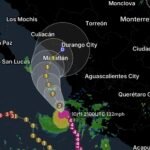
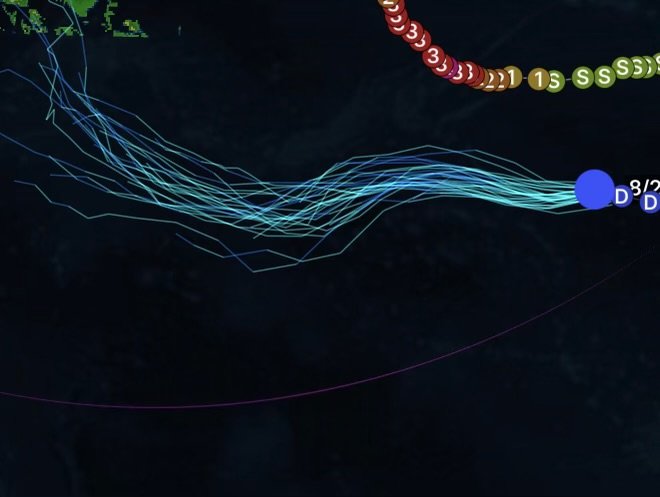
The remnants of Tropical Storm Moke are moving westward away from the Hawaiian Islands after the system weakened from a tropical storm to a tropical depression and then degenerated into a remnant low. The National Hurricane Center issued its final advisory Monday night, marking the end of Moke as a tropical cyclone. (https://www.hawaiinewsnow.com)
For Hawaii, the transition brings a welcome shift toward drier and more stable weather. However, the storm’s passage comes after a difficult period for the islands, including significant rainfall, flooding, infrastructure damage and power outages associated with Hurricane Lala.
What Happened to Tropical Storm Moke?
Moke weakened as it encountered increasingly unfavorable atmospheric conditions, including dry air and wind shear. The National Weather Service had anticipated that these conditions would prevent the storm from maintaining its tropical structure. (NOAA NHC)
By Monday night, Moke was no longer classified as a tropical cyclone. Its remnants were located well west of Hawaii and were moving away from the islands. No watches or warnings were in effect for Hawaii, and the remaining low was no longer considered a threat to land. (https://www.hawaiinewsnow.com)
Why Did Moke Weaken?
Tropical cyclones need several ingredients to remain organized, including warm ocean water, sufficient atmospheric moisture and relatively low vertical wind shear.
In Moke’s case, increasing wind shear and dry mid-level air disrupted the circulation and limited the storm’s ability to maintain deep thunderstorms. As a result, the system gradually lost its tropical characteristics.
Hawaii Begins to Recover
Moke’s most significant concern was not necessarily its wind strength, but the additional rainfall it brought to areas already vulnerable following Hurricane Lala.
Before Moke weakened, forecasters warned of several inches of rain across parts of the Big Island, with locally higher totals possible. Saturated ground and damaged infrastructure increased the potential for flooding and mudslides. (The Watchers)
The threat was especially concerning across windward and southeastern portions of the Big Island, where communities were still recovering from previous storm impacts.
Now, however, conditions are improving.
The Flood Watch has been canceled, and Hawaii is transitioning back toward a more typical trade-wind weather pattern. (https://www.hawaiinewsnow.com)
What Residents Can Expect Next
Drier Air Moves In
Tuesday is expected to be considerably drier, with breezy trade winds returning across the islands. By Wednesday, lower humidity and drier air should provide additional relief.
Showers will still be possible, particularly across windward and mountainous areas, but widespread tropical moisture associated with Moke is moving away. (https://www.hawaiinewsnow.com)
Flooding Concerns Are Easing
With Moke’s moisture departing, the immediate threat of additional widespread tropical rainfall is decreasing.
Even so, residents should remain cautious around streams, drainage channels, steep terrain and areas that experienced recent flooding. Ground conditions can remain unstable after repeated heavy rainfall.
The Bigger Picture Across the Pacific
Moke’s departure does not mean tropical activity has ended.
The Pacific remains active, with other tropical systems being monitored across the Eastern and Central Pacific. Tropical Storms Iselle and Julio are among the systems receiving attention, while Tropical Storm Lala also remains in the broader Pacific basin. (FOX Weather)
For Hawaii, the focus now shifts from Moke recovery to continued tropical monitoring as the region moves through the peak portion of hurricane season.
Radar Watch HQ Final Thoughts
The remnants of Tropical Storm Moke are moving away from Hawaii, bringing a much-needed opportunity for conditions to stabilize.
While Moke did not produce the same level of impacts as the storms before it, its rainfall came at a challenging time for communities still recovering from Hurricane Lala. The combination of saturated soil, damaged infrastructure and additional rainfall demonstrated why even a weakening tropical cyclone can create serious hazards.
For now, Hawaii is entering a quieter weather pattern with decreasing humidity and more typical trade winds. However, residents should continue monitoring the tropics because additional systems remain active across the Pacific.
Stay weather aware, stay prepared, and continue following Radar Watch HQ for the latest tropical weather updates.