




Extreme Heat Warning and Red Flag Warnings Put Southern and Central California on High Alert
August 27, 2026 — A dangerous combination of extreme heat, low humidity, unstable air, gusty winds, and potential thunderstorms is creating elevated weather and wildfire concerns across portions of Southern and Central California.
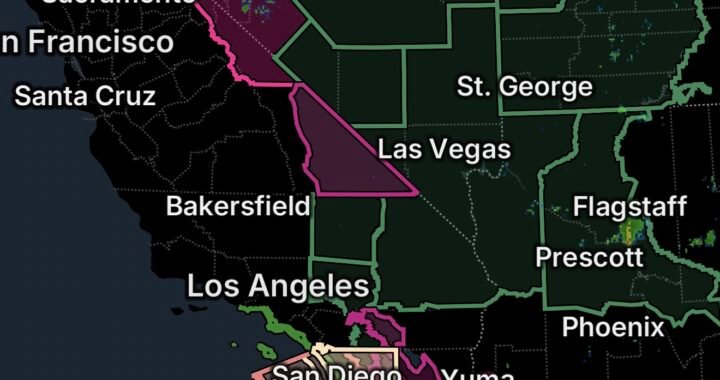
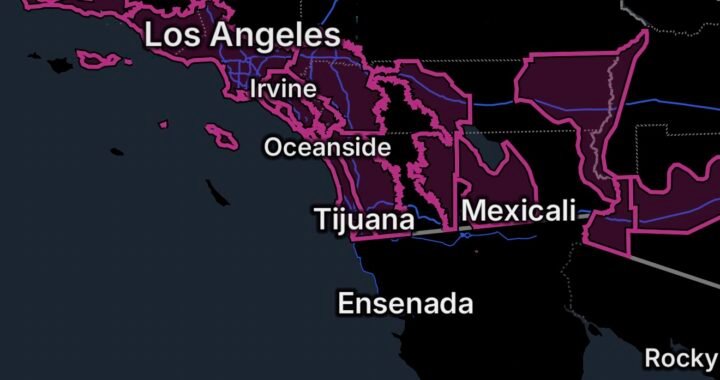
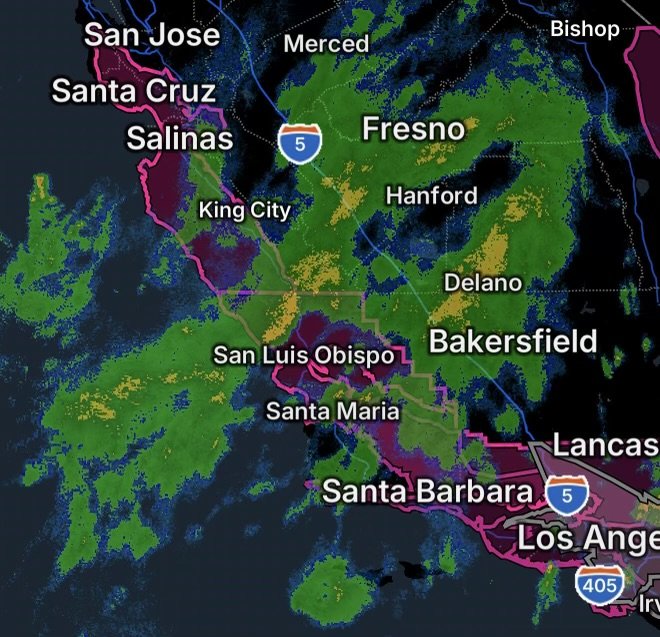
An Extreme Heat Warning covers most mountains and valleys of Los Angeles County, Ventura County, and Santa Barbara County, while separate Red Flag Warnings are in effect across several mountain, valley, and coastal areas. (Los Angeles Times)
The setup is especially concerning because extreme heat can rapidly dry vegetation while unstable atmospheric conditions and gusty winds can help fires spread quickly.
Extreme Heat Warning Across Southern California
The most dangerous heat is focused across inland valleys and mountainous areas of Los Angeles, Ventura, and Santa Barbara counties.
Temperatures across Southern California have been running dramatically above normal, with some inland locations approaching or exceeding 100°F and the hottest areas potentially climbing into the 110s. The ongoing heat wave is being associated with a strong area of high pressure over the Southwest. (FOX 11 Los Angeles)
Los Angeles County
Mountain and valley communities face particularly dangerous heat.
The combination of high daytime temperatures and warm overnight conditions can prevent the body from adequately recovering from daytime heat exposure. People who work outdoors, exercise outside, or lack reliable air conditioning are at greater risk.
Ventura County
Ventura County is also experiencing significant heat across inland valleys and mountain areas.
The greatest concern is away from the immediate coastline, where temperatures can climb substantially higher. Residents should limit strenuous outdoor activities during the hottest portion of the day and frequently check on vulnerable family members, neighbors, and pets.
Santa Barbara County
Interior Santa Barbara County is facing both extreme heat and elevated wildfire danger.
The Cuyama Valley and interior mountain areas are particularly vulnerable because hot, dry conditions can rapidly increase the flammability of grasses, brush, and other vegetation.
Red Flag Warning: Southern California Fire Danger
The National Weather Service has a Red Flag Warning continuing through 3 p.m. Friday, August 28, for portions of southwest California because of extreme heat and instability combined with locally gusty winds and low humidity. (National Weather Service)
Affected areas include:
- Cuyama Valley
- Santa Barbara County Interior Mountains
- Southern Ventura County Mountains
- Northern Ventura County Mountains
- Interstate 5 Corridor
- Western San Gabriel Mountains
- Highway 14 Corridor
These conditions can support rapid fire growth and extreme fire behavior, particularly where vegetation is dry.
Why Extreme Heat Can Increase Fire Danger
Extreme heat does more than create a health hazard.
As temperatures rise and relative humidity falls, vegetation loses moisture. Dry grasses, brush, and chaparral can then ignite more easily.
If gusty winds develop at the same time, flames can spread rapidly and embers can be carried ahead of the main fire.
That means even a small ignition can become a major wildfire threat under Red Flag conditions.
Central Coast Red Flag Warning
A separate and particularly unusual fire-weather threat is developing across portions of the Central Coast.
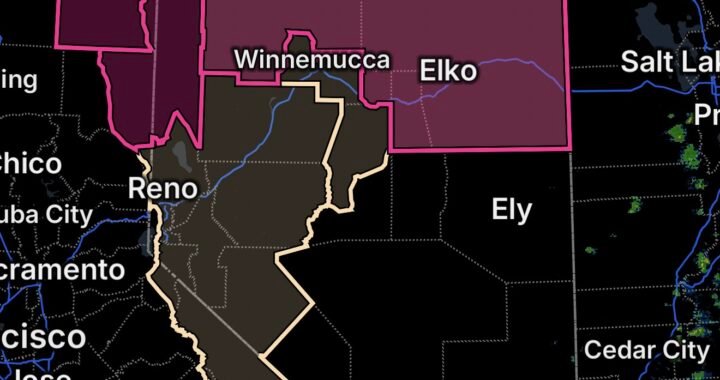
The National Weather Service has issued a Red Flag Warning from 5 a.m. to 3 p.m. Friday, August 28, for portions of Monterey and Santa Cruz counties because of the potential for thunderstorms producing lightning, little rainfall, and strong, erratic outflow winds. (KION Central Coast)
Affected areas include:
- Salinas Valley
- Carmel Valley
- Hollister Area
- Monterey Bay
- Big Sur Coast
- Santa Cruz Mountains
- Interior Monterey County
- Santa Lucia Range
Dry Lightning Creates a Major Concern
One of the biggest dangers is the possibility of dry thunderstorms.
Thunderstorms can produce lightning even when very little rain reaches the ground. If precipitation evaporates before reaching the surface, lightning can ignite dry vegetation while providing little meaningful moisture to slow a developing fire.
Additionally, thunderstorm outflow can produce sudden and unpredictable wind gusts.
Forecasters are warning that gusts could reach approximately 40 to 50 mph in some areas. (KION Central Coast)
These winds can quickly change the direction and behavior of a wildfire.
Big Sur and Monterey County Face Added Fire Concerns
The Central Coast threat is particularly important around Big Sur, where firefighting operations are already underway on the Timber Fire.
CAL FIRE reports continued fire activity in portions of the Big Sur River drainage, making additional ignitions and rapidly changing winds especially concerning. (CAL FIRE)
Residents and visitors should pay close attention to evacuation information, road closures, and official emergency notifications.
What Residents Should Do
During Extreme Heat
- Drink water regularly, even if you do not feel thirsty.
- Avoid strenuous outdoor activity during peak afternoon heat.
- Stay inside air-conditioned buildings whenever possible.
- Never leave children or pets inside a parked vehicle.
- Check on older adults, neighbors, and people who may be especially vulnerable to heat.
- Watch for symptoms of heat exhaustion and heat stroke.
During Red Flag Conditions
- Avoid outdoor burning and activities that could create sparks.
- Do not park vehicles on dry vegetation.
- Properly extinguish cigarettes and other ignition sources.
- Avoid activities involving welding, grinding, or open flames when possible.
- Keep phones charged and emergency supplies ready.
- Know at least two ways out of your neighborhood if a wildfire develops.
- Leave immediately if authorities issue an evacuation order.
If Thunderstorms Develop
Do not assume that light or nonexistent rainfall means there is no danger.
Lightning can start wildfires even when the ground remains dry. Thunderstorm outflow winds can also arrive suddenly and may occur well away from the storm itself.
Weather Situation to Watch
The combination of extreme heat in Southern California and unstable, moisture-influenced weather farther north makes this a complicated California weather setup.
Southern California’s heat is being driven by a persistent high-pressure pattern, while moisture associated with former Tropical Storm Iselle is contributing to increased thunderstorm potential across parts of Central California. (San Francisco Chronicle)
As a result, California is dealing with two very different but connected hazards: dangerous heat and critical fire weather.
Residents should continue monitoring updated forecasts because the location and intensity of thunderstorms, winds, and wildfire conditions can change quickly.
Radar Watch HQ Final Thoughts
The biggest message for California residents is simple: take both the heat and fire-weather threats seriously.
Extreme heat can become dangerous quickly, while low humidity, dry vegetation, lightning, and sudden wind gusts can turn a small ignition into a fast-moving wildfire.
Whether you’re in the valleys and mountains of Los Angeles, Ventura, and Santa Barbara counties or along the Central Coast near Monterey, Salinas, Santa Cruz, and Big Sur, stay weather-aware and have a plan before conditions deteriorate.
Stay informed, stay hydrated, avoid unnecessary fire risks, and follow instructions from local emergency officials.
👉 Keep checking Radar Watch HQ for the latest weather alerts, wildfire conditions, severe weather updates, and changing conditions across California.
Preparedness Essentials
Radar Watch HQ Top 5 Essentials for Extreme Heat
Affiliate Disclosure: As an Amazon Associate, Radar Watch HQ earns from qualifying purchases.
When an Extreme Heat Watch or Heat Advisory is in effect, having the right gear can help you stay safer and more comfortable.
A compact, battery-powered fan provides cooling while traveling, working outdoors, waiting at events, or during power outages.
2. Insulated Water Bottle or Tumbler
A high-quality insulated bottle or cup keeps water cold for hours, making it easier to stay hydrated throughout the day.
A handheld misting fan or spray bottle delivers instant cooling by combining fine water mist with airflow.
Portable air conditioners, evaporative coolers (where appropriate), or high-performance tower fans can help reduce indoor temperatures during dangerous heat.
5. Electrolyte Hydration Packets or Drinks
Electrolyte supplements help replace minerals lost through heavy sweating and support hydration during prolonged heat exposure.