


Dangerous Heat, Unhealthy Air and Dry Lightning Raise Multiple Hazards Across Arizona, California and Nevada
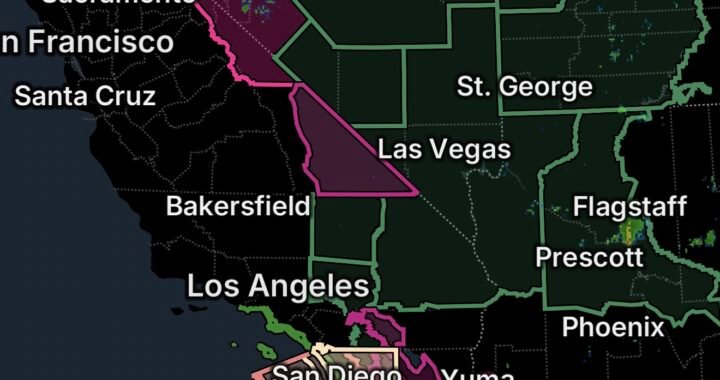
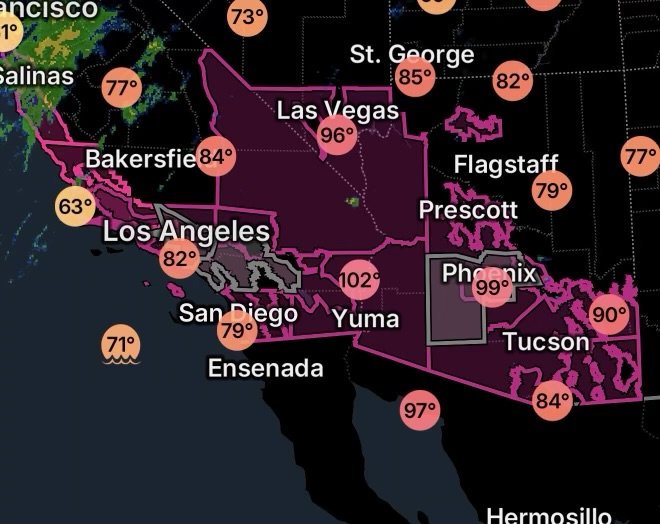
A dangerous combination of extreme heat, poor air quality, dry lightning and gusty winds is creating elevated weather risks across portions of Arizona, California and Nevada on August 28, 2026. Extreme Heat Warnings are in effect across several Southwest communities, while Air Quality Alerts cover parts of Arizona and Southern California. At the same time, Red Flag Warnings and a moderate risk for dry lightning with minimal rainfall are increasing wildfire concerns.
The overlapping hazards could make conditions especially dangerous for people working or recreating outdoors, vulnerable populations, travelers and communities near wildfire-prone areas.
Extreme Heat Warnings Across Arizona
Pinal County and Tucson Metro Area
An Extreme Heat Warning covers Pinal County, the Tohono O’odham Nation, the Tucson Metro Area, the Upper Gila River Valley and Western Pima County.
These areas could experience dangerously hot temperatures capable of producing heat illness quickly, particularly during the afternoon and early evening.
People should limit strenuous outdoor activity, drink fluids regularly and seek air-conditioned locations whenever possible.
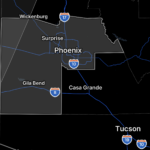
South Central Arizona
Another Extreme Heat Warning covers a portion of south central Arizona, adding to the widespread heat threat across the region.
Because overnight temperatures can remain elevated during major heat events, relief may be limited even after sunset. This is particularly concerning for people without reliable air conditioning.
Southwest Arizona and Southeast California
Extreme Heat Warnings also extend across portions of southwest Arizona and southeast California.
Desert communities in this region are accustomed to hot conditions, but extreme heat can still become life-threatening when temperatures remain exceptionally high for multiple days.
Northwest Arizona, Southeast California and Southern Nevada
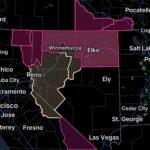
An additional Extreme Heat Warning covers portions of northwest Arizona, southeast California and southern Nevada.
Travelers crossing desert highways should take the heat seriously. Vehicle problems can become much more dangerous when temperatures are extreme, especially in remote areas where assistance may take time to arrive.
Air Quality Alerts Add Another Layer of Risk
Phoenix Metro Area
An Air Quality Alert is in effect for the Phoenix Metro Area.
Poor air quality can make outdoor activity more difficult, especially for people who are sensitive to pollution. During periods of elevated pollution, residents should consider reducing prolonged or strenuous outdoor activity and monitor local air-quality conditions.
Los Angeles County
An Air Quality Alert also covers Los Angeles County.
Air quality can deteriorate further if smoke from nearby wildfires becomes an issue. Wind direction, atmospheric stability and fire activity can cause conditions to change rapidly.
Southern California Faces Extreme Heat
An Extreme Heat Warning covers most mountains and valleys of Los Angeles, Ventura and Santa Barbara Counties.
The combination of hot temperatures and mountainous terrain is particularly important because these same areas can also experience dry vegetation and fire-weather concerns.
Residents should avoid unnecessary outdoor exertion during the hottest part of the day and check on people who may be particularly vulnerable to extreme heat.
Dry Lightning Creates a Dangerous Wildfire Setup
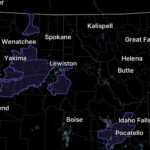
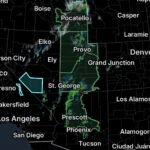
One of the most concerning aspects of this weather pattern is the potential for dry thunderstorms.
A moderate risk exists for dry lightning with minimal rainfall, meaning thunderstorms could produce lightning without enough precipitation reaching the ground to significantly reduce fire danger.
Why Dry Lightning Is So Dangerous
Dry lightning can ignite grass, brush and forest fuels that are already extremely dry.
At the same time, thunderstorms can produce gusty and erratic winds. These winds can rapidly push an existing fire in a new direction or make an initial lightning-caused ignition spread quickly.
This creates a particularly dangerous scenario:
Lightning + dry fuels + little rainfall + strong outflow winds = elevated wildfire potential.
Red Flag Warnings Highlight Fire Danger
Red Flag Warnings indicate that weather conditions are favorable for rapid wildfire growth.
The combination of low humidity, dry fuels, thunderstorms and gusty or erratic winds can allow fires to start and spread quickly.
Residents in affected areas should take evacuation warnings seriously and avoid activities that could accidentally ignite vegetation, including outdoor burning, campfires and activities that generate sparks.
Who Is Most Vulnerable to the Heat?
Extreme heat can affect anyone, but some people face greater risks, including:
- Older adults
- Infants and young children
- People working outdoors
- Athletes and people exercising outside
- People without reliable air conditioning
- People experiencing homelessness
- Individuals with certain medical conditions
- Pets and animals left outdoors
Never leave children, pets or vulnerable people inside a parked vehicle. Temperatures inside vehicles can become dangerously hot within minutes.
How to Stay Safe During the Southwest Heat
Stay Cool
Remain in air-conditioned buildings as much as possible during the hottest portion of the day.
If your home becomes dangerously hot, consider visiting an air-conditioned public location or designated cooling center.
Drink Fluids
Drink water regularly rather than waiting until you feel thirsty. Avoid excessive alcohol consumption during extreme heat because it can contribute to dehydration.
Watch for Heat Illness
Warning signs can include heavy sweating, weakness, dizziness, headache, nausea and confusion.
Confusion, loss of consciousness or severe symptoms can indicate a medical emergency. Call 911 immediately.
Prepare for Fire Weather
If you live near dry vegetation or wildfire-prone terrain:
- Keep phones charged.
- Know multiple evacuation routes.
- Keep important documents accessible.
- Monitor local emergency notifications.
- Do not wait for flames to become visible before preparing to leave.
- Follow evacuation orders from local officials.
Radar Watch HQ Weather Outlook
The Southwest is dealing with multiple overlapping hazards, rather than one isolated weather threat. Extreme heat is affecting broad portions of Arizona, Southern California and nearby areas, while air-quality concerns are present around Phoenix and Los Angeles County.
Meanwhile, the possibility of dry lightning, minimal rainfall and erratic thunderstorm winds could increase wildfire danger across portions of the region.
The biggest concern is that these hazards can reinforce one another. Extreme heat dries vegetation, dry thunderstorms can provide lightning without meaningful rainfall, and strong outflow winds can accelerate fire growth.
Residents should continue monitoring official forecasts and emergency information as conditions evolve throughout the day.
Radar Watch HQ Final Thoughts
Extreme heat should be treated as a serious health hazard, while dry thunderstorms should be treated as a serious wildfire hazard. The combination of dangerous temperatures, poor air quality and fire-weather conditions makes today a day to plan ahead rather than react at the last minute.
Stay hydrated, limit outdoor exposure during peak heat, monitor air quality and remain alert for changing thunderstorm and wildfire conditions.
Stay weather-aware, stay prepared and stay safe.
Radar Watch HQ Top 5 Essentials for Extreme Heat
Affiliate Disclosure: As an Amazon Associate, Radar Watch HQ earns from qualifying purchases.
When an Extreme Heat Watch or Heat Advisory is in effect, having the right gear can help you stay safer and more comfortable.
A compact, battery-powered fan provides cooling while traveling, working outdoors, waiting at events, or during power outages.
2. Insulated Water Bottle or Tumbler
A high-quality insulated bottle or cup keeps water cold for hours, making it easier to stay hydrated throughout the day.
A handheld misting fan or spray bottle delivers instant cooling by combining fine water mist with airflow.
Portable air conditioners, evaporative coolers (where appropriate), or high-performance tower fans can help reduce indoor temperatures during dangerous heat.
5. Electrolyte Hydration Packets or Drinks
Electrolyte supplements help replace minerals lost through heavy sweating and support hydration during prolonged heat exposure.