
















High Rip Current Risk Across Eastern Massachusetts Beaches
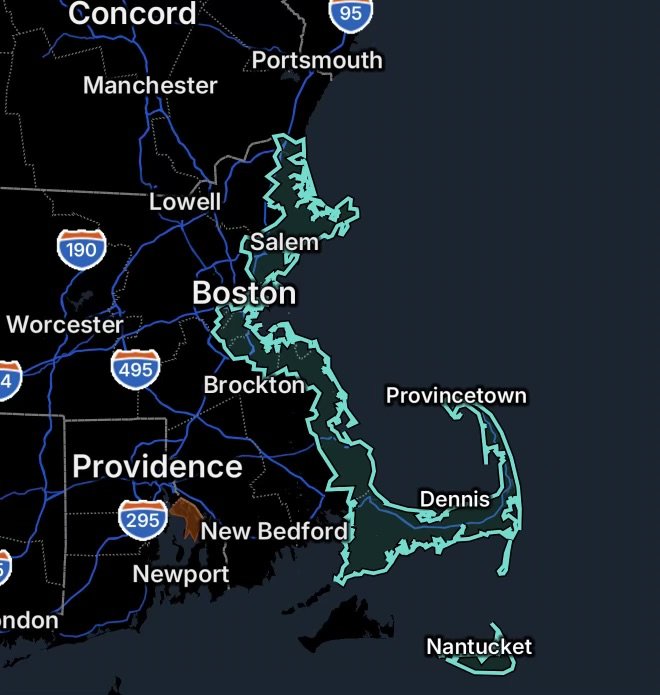
A High Rip Current Risk is in effect across portions of eastern Massachusetts on Saturday, September 19, 2026, with dangerous rip currents expected from the morning through the evening. The National Weather Service Boston/Norton office issued the Rip Current Statement for Eastern Essex, Suffolk, Eastern Norfolk, Eastern Plymouth, Barnstable and Nantucket Counties.
The threat covers beaches along the Massachusetts coast, including areas around Boston, the North Shore, South Shore, Cape Cod and Nantucket. Beachgoers should take the elevated surf-zone danger seriously even when skies are mostly sunny.
Areas Included in the Rip Current Statement
The statement covers:
- Eastern Essex County — including beaches around Beverly, Gloucester and Newburyport
- Suffolk County — including Boston, Chelsea, Revere and Winthrop
- Eastern Norfolk County — including Quincy and nearby coastal communities
- Eastern Plymouth County — including Plymouth, Duxbury, Marshfield, Scituate and surrounding beaches
- Barnstable County — including Cape Cod coastal beaches
- Nantucket County — including Nantucket Island
The National Weather Service says the high rip current risk continues from Saturday morning through Saturday evening.
What Beachgoers Can Expect
Surf conditions are expected to become more hazardous along exposed beaches. Forecast information from the National Weather Service indicates surf around 3 to 4 feet along portions of eastern Essex, Suffolk, Eastern Norfolk and Eastern Plymouth, while the eastern coast of Barnstable County could see surf around 4 to 5 feet Saturday.
Nantucket is also included in the high-risk area, with northeast winds expected to be strong enough to contribute to rougher coastal conditions.
A high rip current risk means dangerous currents are likely in the surf zone. Rip currents can pull swimmers away from the shoreline and into deeper water, including experienced swimmers.
Why Rip Currents Are Dangerous
Rip currents are powerful, narrow channels of water moving away from the beach. They can develop where waves break and water returning toward the ocean becomes concentrated into a fast-moving current.
The danger is that a swimmer may initially try to fight directly against the current. Doing so can quickly lead to exhaustion.
A rip current does not necessarily pull someone straight underwater. Instead, it can carry a person away from shore, making it increasingly difficult to swim directly back to the beach.
Rip Current Safety
The National Weather Service recommends swimming near a lifeguard and avoiding areas where dangerous currents are present.
If caught in a rip current:
- Stay calm and float.
- Do not try to swim directly against the current.
- If able, swim parallel to the shoreline to move out of the current.
- Once free of the current, swim back toward shore.
- If you cannot escape the current, face the shore and call or wave for help.
Parents and guardians should keep children especially close when visiting beaches under a high rip current risk.
A Sunny Day Can Still Be Dangerous
One important reminder for Saturday: dangerous beach conditions do not require thunderstorms or heavy rain.
The National Weather Service forecast calls for mostly sunny conditions in many of the affected areas, while temperatures remain cooler than recent summer conditions.
That combination can make the beach appear calm and inviting even while dangerous currents are present.
Before entering the water, check local beach conditions, observe posted warning flags and follow instructions from lifeguards and local officials.
Radar Watch HQ Final Thoughts
The September 19 high rip current risk is a coastal safety concern from the North Shore and Boston-area beaches to the South Shore, Cape Cod and Nantucket.
If you are planning to visit an affected beach, take the rip current risk seriously. Swim near a lifeguard, respect posted beach warnings and never underestimate the ocean because the weather looks calm.
Stay informed, stay aware and make beach safety part of every coastal-weather plan.
Radar Watch HQ will continue tracking significant weather and coastal hazards affecting communities across the country.