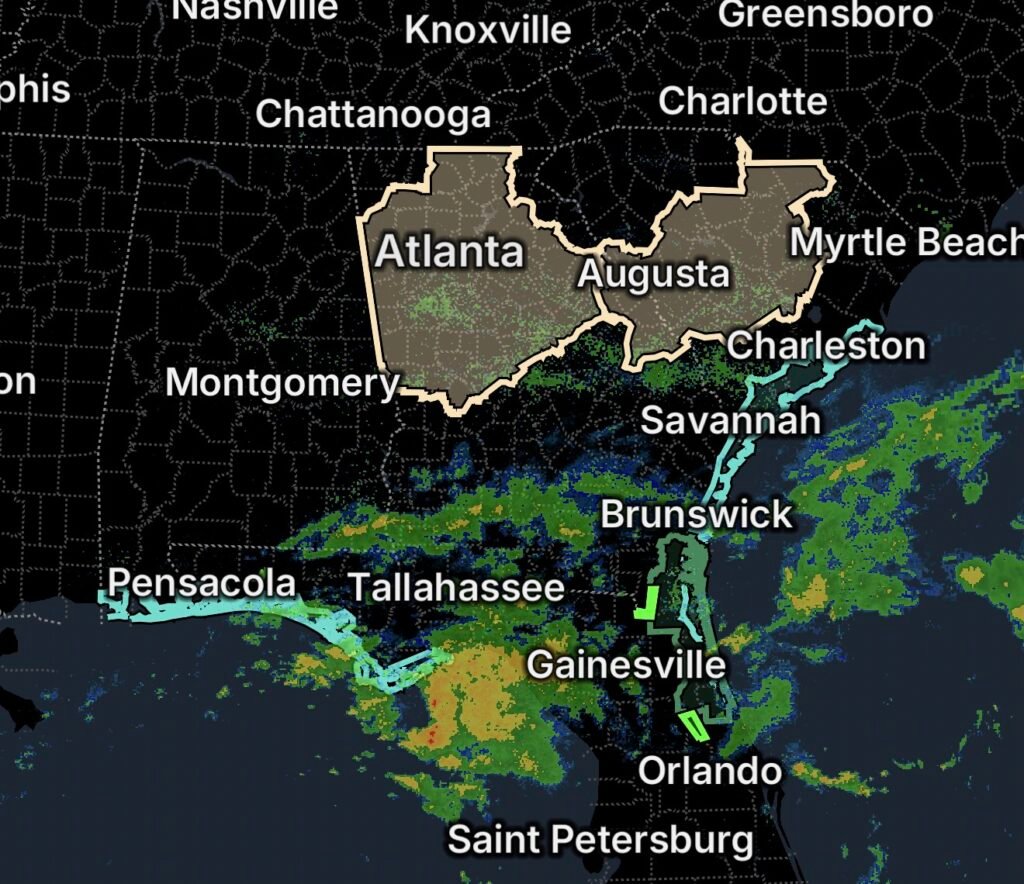
Patchy Fog Across North and Central Georgia
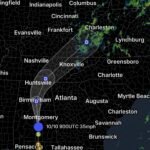
A Special Weather Statement highlights patchy fog across parts of North and Central Georgia on October 6, 2026.
Localized areas of fog can quickly reduce visibility, particularly during the overnight and morning hours. Drivers should be prepared for sudden changes in visibility when traveling through fog-prone areas.
🚗 Fog Safety
- Slow down and increase following distance.
- Use low-beam headlights.
- Avoid using high beams, which can reflect off the fog and make visibility worse.
- Watch for pedestrians, cyclists, and stopped vehicles.
- Allow extra travel time.
Visibility can vary significantly over short distances, so drivers should remain alert even if conditions appear clear moments earlier.
🌊 Rip Current Statements Along Gulf and Atlantic Beaches
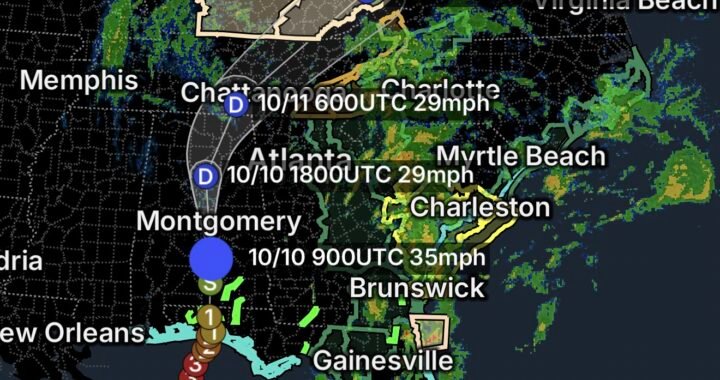
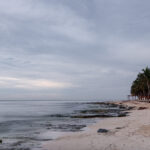
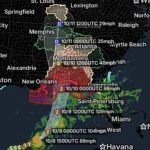
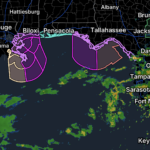
Multiple Rip Current Statements are affecting beaches along the northern Gulf Coast and southeastern Atlantic coast.
Alabama Beaches
The statement covers:
- Mobile Coastal County
- Baldwin Coastal County
Florida Panhandle Beaches
Affected coastal areas include:
- Escambia Coastal County
- Santa Rosa Coastal County
- Okaloosa Coastal County
Northwest Florida Beaches
The statement also includes:
- Walton County
- Bay County
- Gulf County
- Franklin County
Atlantic Beaches
Rip Current Statements also cover:
- South Carolina beaches
- Georgia beaches
- Northeast Florida beaches
🏖️ Why Rip Currents Are Dangerous
Rip currents are powerful channels of water that flow away from the shoreline. They can quickly pull swimmers away from the beach and into deeper water.
Even experienced swimmers can have difficulty escaping a strong rip current.
Rip Current Safety Essentials
🛟 Swim near a lifeguard whenever possible.
🚩 Follow posted beach flags and warnings.
🌊 If caught in a rip current, do not swim directly against it.
↔️ Swim parallel to the shoreline until you are out of the current, then swim toward shore.
📢 If you cannot escape, float or tread water and signal for help.
Parents and caregivers should keep children within close reach when near the water.
🌧️ Flood Watch for Northeast Florida and Southeast Georgia
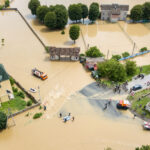
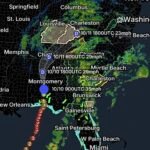
A Flood Watch remains in effect for portions of northeast Florida and southeast Georgia.
A Flood Watch means conditions are favorable for flooding to develop. Heavy rainfall can overwhelm drainage systems and cause water levels to rise in streams, rivers, and low-lying areas.
Residents in flood-prone locations should monitor weather updates and be prepared to move to higher ground if flooding develops.
🚗 Turn Around, Don’t Drown
If flooding occurs, never drive through a flooded roadway.
Floodwater can hide washed-out roads, debris, and other hazards. Moving water can also sweep vehicles from the roadway.
Turn around, don’t drown!
🌴 Multiple Hazards Require Extra Awareness
The combination of fog, dangerous rip currents, and a flood threat means conditions can vary significantly across the Southeast.
Morning commuters in Georgia should be prepared for reduced visibility, while beachgoers along the Gulf and Atlantic coasts should pay close attention to beach warnings and water conditions.
Residents and travelers in northeast Florida and southeast Georgia should also remain alert for developing flooding.
The Bottom Line
🌫️ October 6, 2026: Patchy fog is affecting parts of North and Central Georgia, creating localized visibility concerns.
🌊 Rip Current Statements are affecting beaches across Alabama, Florida, Georgia, and South Carolina.
🌧️ A Flood Watch covers portions of northeast Florida and southeast Georgia.
Stay alert, slow down in areas of reduced visibility, stay out of dangerous surf, and monitor flood alerts.
When it comes to flooded roads: Turn around, don’t drown!