




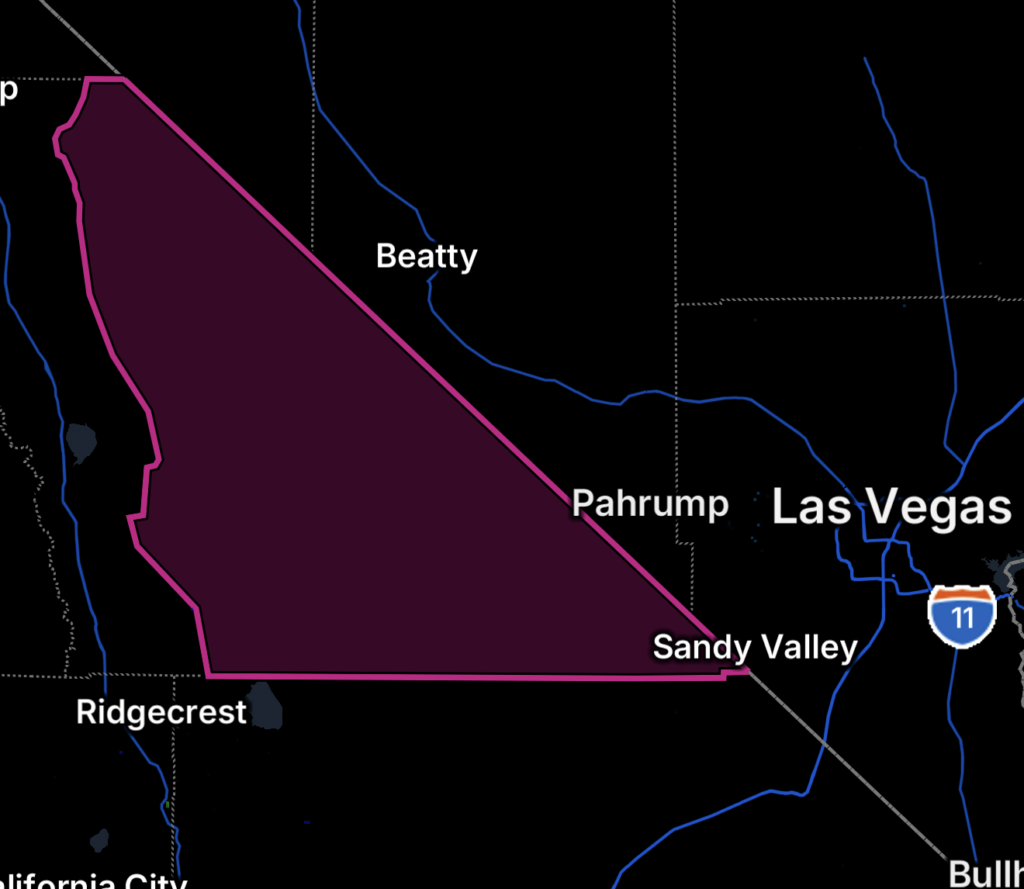
Extreme Heat Warning Covers Lower Death Valley
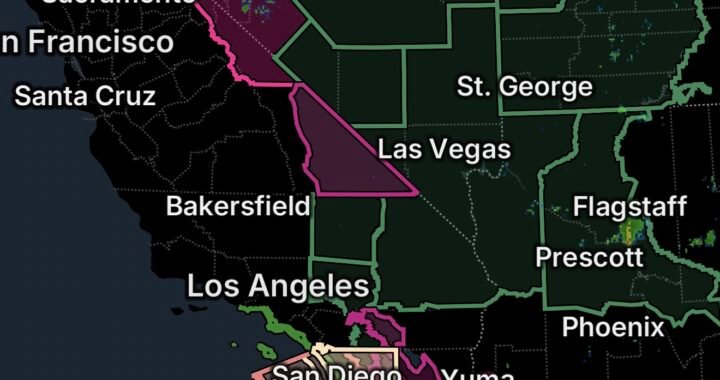
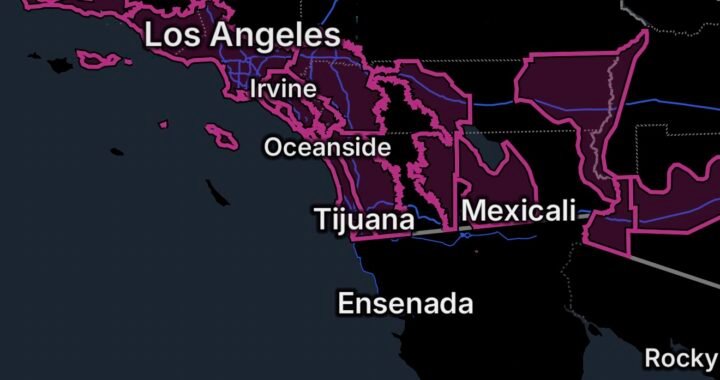
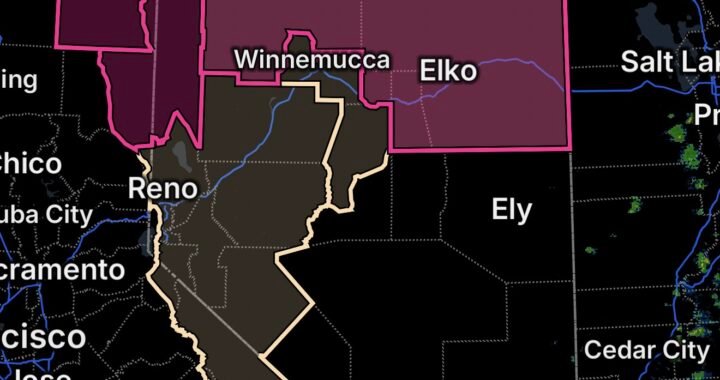
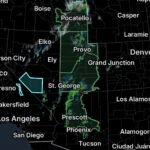
An Extreme Heat Warning is in effect for elevations below 2,000 feet in Death Valley National Park on Monday, October 5, 2026.
The warning highlights a dangerous period of extreme heat across the lower elevations of one of the hottest locations in North America.
Visitors should take the warning seriously, particularly anyone planning outdoor activities, hiking or sightseeing during the hottest part of the day.
🌡️ Dangerous Heat at Lower Elevations
Death Valley’s exceptionally low elevation and desert environment can produce extreme temperatures even during October.
The lower portions of the park can become dangerously hot, with heat placing significant stress on the body.
Outdoor activity can become hazardous when temperatures are extremely high, particularly when people are exposed to direct sunlight for extended periods.
🏜️ Visitors Face Elevated Heat Risks
Death Valley National Park attracts visitors for hiking, sightseeing, photography and scenic drives. However, extreme heat can turn even relatively short outdoor activities into dangerous situations.
Heat-related illness can develop quickly when the body cannot cool itself effectively.
Visitors should:
- Avoid strenuous activity during the hottest part of the day.
- Drink water regularly rather than waiting until thirsty.
- Take frequent breaks in air-conditioned or shaded locations.
- Wear lightweight, loose-fitting clothing.
- Use sunscreen and protect your head from direct sunlight.
- Never leave children or pets unattended in vehicles.
- Know the signs of heat exhaustion and heat stroke.
🚨 Know the Signs of Heat Illness
Heat Exhaustion
Possible symptoms include:
- Heavy sweating
- Weakness or fatigue
- Dizziness
- Headache
- Nausea
- Muscle cramps
- Cool or clammy skin
Move to a cooler location, drink fluids and rest if these symptoms develop.
Heat Stroke
Heat stroke is a medical emergency. Warning signs can include:
- Confusion
- Loss of consciousness
- Seizures
- Very high body temperature
- Hot skin
Call 911 immediately if heat stroke is suspected. Move the person to a cooler location and begin cooling them while emergency assistance is being arranged.
🥾 Hiking in Extreme Heat
Hikers should exercise particular caution.
A trail that appears manageable under normal conditions can become dangerous during extreme heat. Carry more water than you think you will need, tell someone your planned route and avoid remote areas when conditions are dangerously hot.
Do not rely on cell service in remote portions of the park.
🐕 Protect Pets From Extreme Heat
Pets are especially vulnerable to hot desert conditions.
Avoid taking dogs on strenuous hikes during extreme heat, and never leave pets inside a parked vehicle. Vehicle interiors can heat to dangerous temperatures rapidly.
⚠️ Essentials
🥵 Take the warning seriously: Extreme heat can become life-threatening.
💧 Hydrate frequently: Drink water regularly during outdoor activities.
🏜️ Limit exposure: Avoid strenuous activity during the hottest periods.
🥾 Reconsider hiking: Extreme heat can make remote trails dangerous.
🚗 Never leave anyone in a vehicle: This includes children and pets.
📱 Know your limits: If you begin feeling weak, dizzy or confused, stop activity and seek immediate cooling.
Bottom Line
🥵 An Extreme Heat Warning is in effect for elevations below 2,000 feet in Death Valley National Park on October 5, 2026.
The extreme desert heat can create a serious risk of heat-related illness, particularly for hikers, outdoor workers and visitors spending extended periods outside.
Stay hydrated, limit strenuous activity, seek air conditioning or shade, and never underestimate the danger of extreme desert heat.