




Extreme Heat and Fire Danger Hit Southwest
A dangerous stretch of late-summer heat is affecting a broad portion of the Southwest, with Extreme Heat Warnings covering communities across Arizona and Southern California. At the same time, air quality alerts and elevated wildfire conditions are creating additional concerns for residents spending time outdoors.
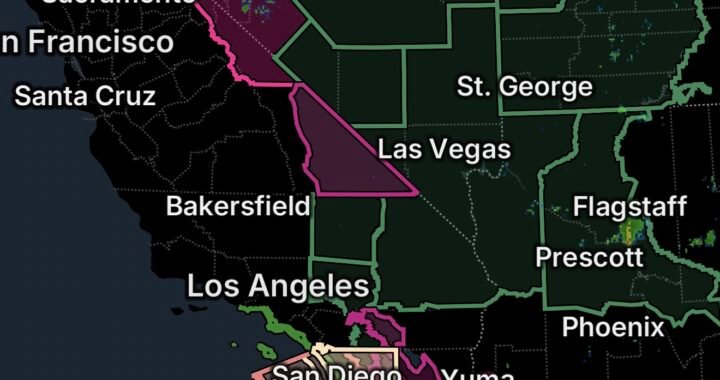
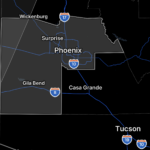
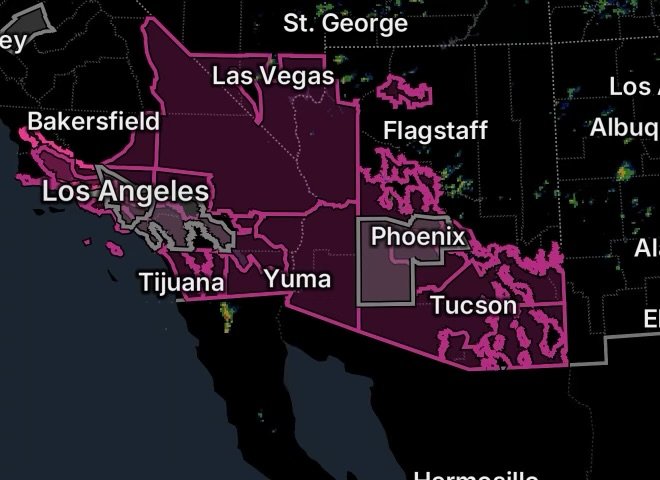
The National Weather Service is warning of dangerously hot conditions across portions of southern Arizona, including Pinal County, the Tohono O’odham Nation, the Tucson Metro Area, the Upper Gila River Valley and Western Pima County. Forecast temperatures in these areas can reach roughly 103°F to 111°F, while overnight lows may remain in the upper 70s to mid-80s, limiting the body’s opportunity to recover from daytime heat.
This combination of extreme daytime temperatures and warm nights is especially concerning because heat stress can accumulate over several days.
Southern Arizona: Extreme Heat Remains a Major Concern
Pinal County and Tucson Metro Area
The Extreme Heat Warning includes major population centers and surrounding communities throughout southern and central Arizona.
The Tucson Metro Area, portions of Pima County and Pinal County should prepare for prolonged dangerous heat. Outdoor workers, older adults, young children and people without reliable air conditioning can face greater risks during extended periods of extreme temperatures.
The warning also encompasses the Tohono O’odham Nation and Upper Gila River Valley, where temperatures can remain dangerously high through the afternoon.
Recent local reporting indicates the Extreme Heat Warning has been extended through Saturday, August 29, emphasizing that this is not simply a one-day heat event.
Why Warm Nights Matter
Extreme heat becomes more dangerous when nighttime temperatures remain elevated.
Normally, nighttime cooling allows the body, buildings and pavement to release some of the heat accumulated during the day. However, when temperatures remain unusually warm overnight, heat can build from one day to the next.
Residents should:
- Drink water regularly rather than waiting until they feel thirsty.
- Limit strenuous outdoor activity during the hottest part of the afternoon.
- Take frequent breaks in air conditioning or shade.
- Check on elderly relatives, neighbors and anyone living alone.
- Never leave children or pets inside a parked vehicle.
- Wear lightweight, loose-fitting clothing.
- Watch for symptoms of heat exhaustion or heat stroke.
Phoenix Metro Area Under an Air Quality Alert
Extreme heat isn’t the only concern in Arizona.
Maricopa County, including the Phoenix Metro Area, is under an Ozone High Pollution Advisory. The Arizona Department of Environmental Quality says ozone levels are expected to reach levels exceeding the federal health standard.
The latest ADEQ forecast shows ozone in the 101–104 AQI range for Tuesday and Wednesday, while PM10 and PM2.5 levels are comparatively lower.
Heat and Ozone Can Work Together
Hot, sunny conditions can accelerate the chemical reactions that create ground-level ozone. As a result, an extended heat wave can contribute to worsening ozone pollution.
For people with respiratory conditions, children, older adults and anyone sensitive to air pollution, reducing prolonged outdoor exertion can be especially important.
Consider moving exercise indoors or scheduling necessary outdoor activities for times when temperatures and ozone levels are lower.
Extreme Heat Spreads Toward Nevada and Southeast California
The dangerous heat pattern also extends beyond Arizona.
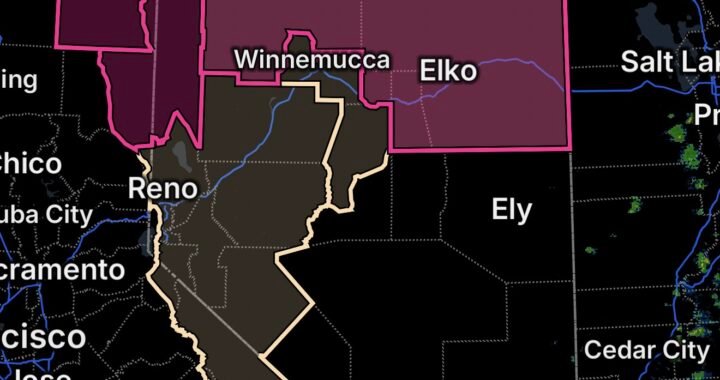
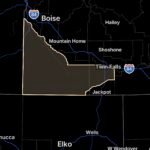
Extreme Heat Warnings cover portions of southwest Arizona and southeast California, while additional warning areas extend into northwest Arizona, southeast California and southern Nevada.
The desert Southwest is particularly vulnerable to extreme temperatures because of its arid climate and intense summer sunshine.
Communities across these regions should remain alert for rapidly developing heat-related illness, particularly when performing strenuous work outdoors.
Southern California Faces Extreme Heat and Air Quality Concerns
Southern California is also experiencing a significant heat episode.
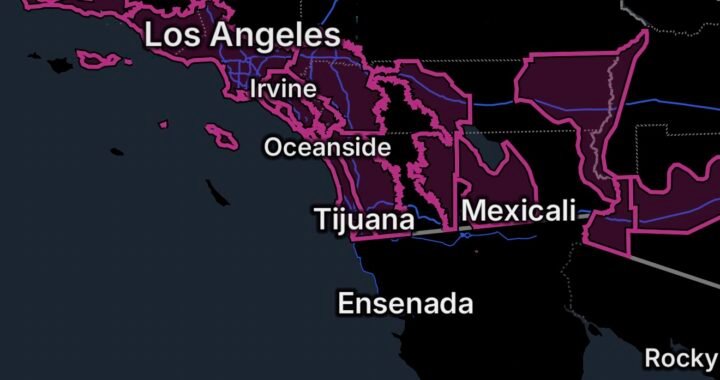
The National Weather Service has issued an Extreme Heat Warning for portions of Southwest California, while the region is also facing increased wildfire concerns.
Recent reporting indicates inland Southern California could experience temperatures approaching or exceeding 110°F in some locations, while unusually warm nighttime temperatures may further increase heat stress.
South Coast Air Basin and Coachella Valley
An Air Quality Alert for high ozone is also affecting much of the South Coast Air Basin and Coachella Valley.
South Coast AQMD notes that excessive heat is contributing to elevated ozone levels across these areas.
That creates a double concern:
Extreme heat + elevated ozone = greater stress during outdoor activity.
Residents should check the latest air quality before exercising, working outside or participating in extended outdoor activities.
Red Flag Warning Raises Wildfire Concerns in Southwest California
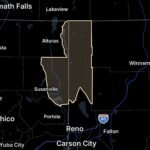
Adding another threat to the heat wave, a Red Flag Warning is in effect across many interior portions of Southwest California.
The National Weather Service says extreme heat and atmospheric instability, combined with locally gusty winds and low humidity, are creating a significant risk of large and potentially dangerous fires. The current warning extends through 3 p.m. Friday for many interior portions of Southwest California.
Why Extreme Heat Can Increase Fire Danger
Extreme heat dries vegetation and soils, while low humidity can rapidly remove moisture from grasses, brush and other fuels.
When gusty winds are added to the equation, a small ignition can potentially grow quickly.
Residents in Red Flag Warning areas should:
- Avoid activities that could accidentally spark a wildfire.
- Follow all local fire restrictions.
- Avoid parking vehicles on dry grass.
- Properly extinguish cigarettes and other ignition sources.
- Secure trailers and equipment that could create sparks.
- Be prepared to evacuate if a wildfire threatens the area.
- Keep phones charged and emergency supplies accessible.
Heat, Air Quality and Fire Weather Create a Compound Risk
The most important takeaway from today’s weather pattern is that residents across the Southwest are dealing with multiple hazards at the same time.
Arizona faces widespread extreme heat, while the Phoenix area is also dealing with elevated ozone. Southern California faces extreme heat and ozone concerns, while portions of the region are additionally experiencing critical fire-weather conditions.
That means a simple outdoor activity can involve several risks simultaneously: high temperatures, dehydration, poor air quality and wildfire danger.
How to Stay Safe During the Heat Wave
1. Stay Hydrated
Drink water consistently throughout the day. Avoid relying solely on thirst as a signal to hydrate during prolonged heat exposure.
2. Find Air Conditioning
Spend the hottest portions of the day in an air-conditioned location whenever possible. If your home becomes dangerously hot, consider a cooling center, library, shopping center or another designated public cooling location.
3. Limit Outdoor Exercise
Extreme heat and elevated ozone can make strenuous outdoor activity considerably more stressful.
4. Check on Vulnerable People
A quick phone call or visit can make a major difference for older adults, young children and people who may not have access to reliable cooling.
5. Protect Pets
Hot pavement can burn paws, while parked vehicles can become deadly within minutes. Provide pets with shade and plenty of water, and avoid walking them during the hottest part of the day.
6. Watch for Heat Illness
Confusion, fainting, severe weakness, unusual behavior or loss of consciousness can indicate a medical emergency. Heat stroke is life-threatening—call 911 immediately and begin cooling the person while waiting for emergency assistance.
Radar Watch HQ Final Thoughts
The Southwest is facing a serious combination of extreme heat, elevated ozone and wildfire danger today.
From the Tucson and Phoenix metropolitan areas to Southern California, Nevada and the desert communities in between, residents should take these conditions seriously. The biggest concern isn’t simply how hot the afternoon becomes—it is the combination of persistent heat, limited overnight recovery, poor air quality and increasingly dry fuels.
Stay hydrated, limit strenuous outdoor activity, monitor air quality and weather updates, and remain prepared for rapidly changing fire conditions.
Radar Watch HQ will continue monitoring the extreme heat, air quality and fire-weather situation across the Southwest.
Radar Watch HQ Top 5 Essentials for Extreme Heat
Affiliate Disclosure: As an Amazon Associate, Radar Watch HQ earns from qualifying purchases.
When an Extreme Heat Watch or Heat Advisory is in effect, having the right gear can help you stay safer and more comfortable.
A compact, battery-powered fan provides cooling while traveling, working outdoors, waiting at events, or during power outages.
2. Insulated Water Bottle or Tumbler
A high-quality insulated bottle or cup keeps water cold for hours, making it easier to stay hydrated throughout the day.
A handheld misting fan or spray bottle delivers instant cooling by combining fine water mist with airflow.
Portable air conditioners, evaporative coolers (where appropriate), or high-performance tower fans can help reduce indoor temperatures during dangerous heat.
5. Electrolyte Hydration Packets or Drinks
Electrolyte supplements help replace minerals lost through heavy sweating and support hydration during prolonged heat exposure.