




Extreme Heat Warning Expands Across the Desert Southwest
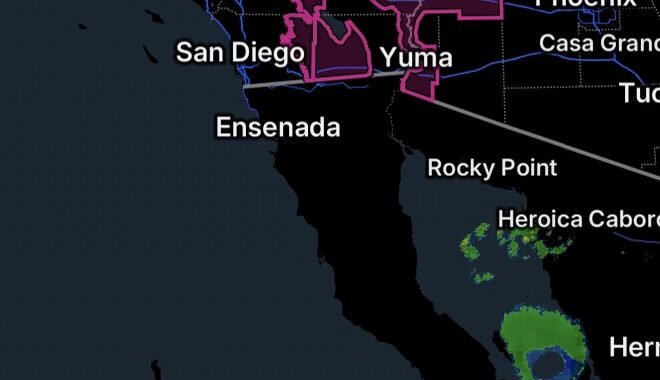
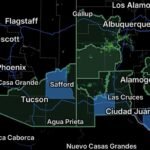
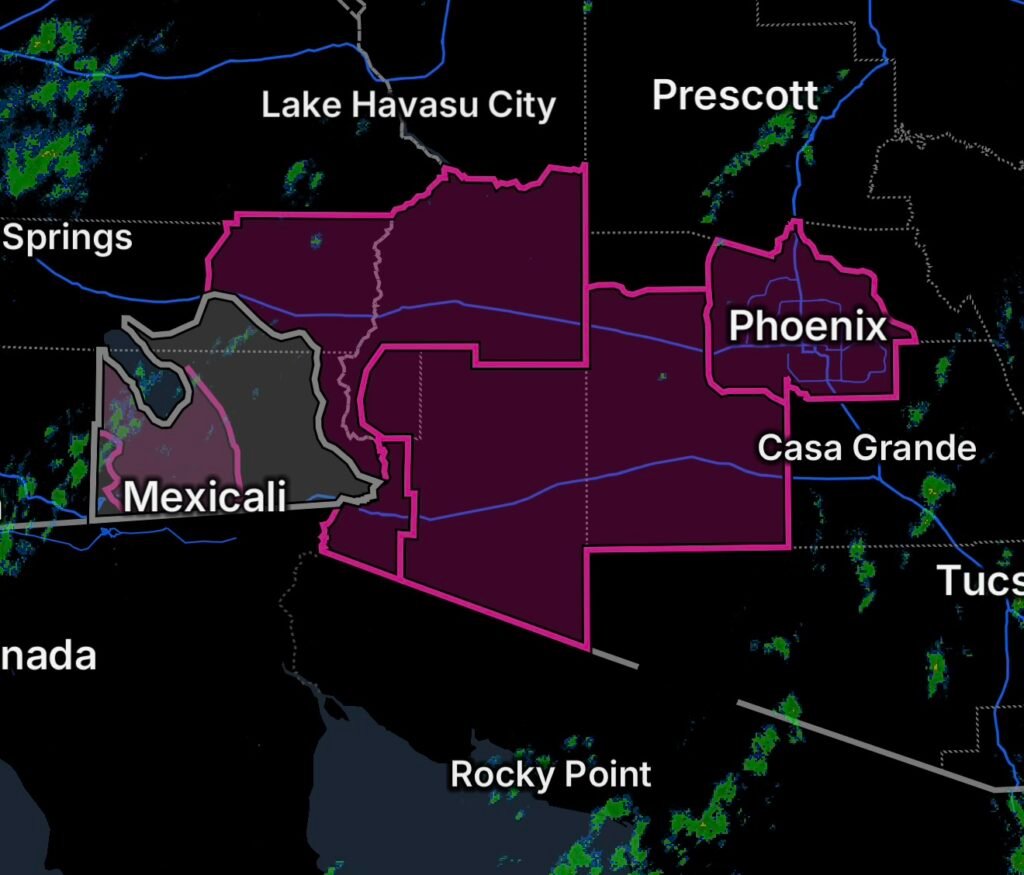
Another dangerous round of heat is developing across the Desert Southwest, with Extreme Heat Warnings covering portions of Arizona and southeastern California. The most significant concerns include the Phoenix metropolitan area, western and southwestern Arizona, the Lower Colorado River Valley, and Imperial County.
The National Weather Service Phoenix office reports that temperatures will climb well above normal, producing Major HeatRisk across many desert communities.
Because of the prolonged heat, residents, outdoor workers, travelers, and anyone without reliable air conditioning should take precautions before temperatures peak each afternoon.
Phoenix Metro Under Extreme Heat Warning
The Phoenix Metro area is included in the Extreme Heat Warning beginning Tuesday, September 8. The warning covers communities across the valley, including Phoenix, Glendale, Scottsdale, Paradise Valley, Mesa, Chandler, Queen Creek, Avondale, Buckeye and surrounding areas.
The region is expected to experience temperatures significantly above seasonal averages. NWS Phoenix forecasts show Phoenix temperatures climbing into the upper 100s, with the greatest heat occurring during the middle of the week.
Why the Phoenix Heat Is Dangerous
Extreme desert heat can rapidly overwhelm the body’s ability to cool itself. Even healthy adults can develop heat exhaustion after prolonged outdoor exposure, while heat stroke can become life-threatening.
Urban areas can become particularly dangerous because buildings, pavement and roads retain heat after sunset, limiting nighttime recovery.
Western Arizona Faces Dangerous Afternoon Heat
An Extreme Heat Warning also covers:
- Gila Bend
- Sonoran Desert National Monument
- Tonopah Desert
- Gila River Valley
- Kofa
- Southeast Yuma County
The National Weather Service expects afternoon temperatures around 104°F to 109°F, with Major HeatRisk. The warning is scheduled from Tuesday morning through Thursday evening for this area.
These remote desert locations can present an additional hazard because access to shade, water and emergency services may be limited.
Outdoor Recreation Risks
Hikers, campers, off-road travelers and motorists crossing remote desert areas should avoid unnecessary afternoon exposure.
A vehicle emergency can become especially dangerous when temperatures are near or above 105°F. Carry substantially more water than you expect to need, keep a charged phone available and let someone know your travel plans.
Lower Colorado River Valley Heat
Another Extreme Heat Warning covers Central La Paz and Parker Valley in Arizona, along with Chuckwalla Valley and Palo Verde Valley in California.
The National Weather Service expects afternoon temperatures between 102°F and 111°F, with Major HeatRisk. This warning begins Wednesday morning and continues through Friday evening.
Communities and locations within the warning area include Quartzsite, Salome, Parker, Ehrenberg, Blythe, Palo Verde and surrounding desert communities.
The combination of high temperatures and persistent desert sunshine can make even short periods outdoors hazardous.
Imperial County Faces Extreme Heat and Air Quality Concerns
In southeastern California, an Extreme Heat Warning covers Imperial County West and Imperial Valley from Tuesday morning through Friday evening.
Temperatures are expected to reach 106°F to 112°F, creating Major HeatRisk.
Communities within the warning area include Brawley, Calexico, El Centro, Salton City, Ocotillo, Coyote Wells, Plaster City and surrounding areas.
At the same time, air quality concerns are present across Imperial County. Residents should monitor local air-quality conditions, particularly people who are sensitive to pollution or who experience respiratory irritation during poor-air-quality periods.
Heat + Poor Air Quality
When extreme heat and degraded air quality occur together, spending extended periods outdoors can become even more uncomfortable and potentially hazardous.
Consider keeping windows closed when outdoor air quality deteriorates and use indoor cooling or filtration when available.
Who Is Most Vulnerable to Extreme Heat?
The greatest concern is for:
- Older adults
- Infants and young children
- People working outdoors
- People exercising outdoors
- Individuals without reliable air conditioning
- People with certain chronic medical conditions
- People experiencing homelessness
- Outdoor travelers and recreational users
However, extreme heat can affect anyone, especially when exposure lasts for several hours.
Extreme Heat Safety Tips
Stay Hydrated
Drink water regularly rather than waiting until you become thirsty. During prolonged outdoor activity, electrolytes can also be useful.
Avoid the Afternoon Heat
Whenever possible, schedule strenuous outdoor activities during the early morning or evening.
Never Leave People or Pets in Vehicles
Vehicle interiors can heat to dangerous temperatures extremely quickly. Never leave children, pets or vulnerable individuals unattended inside a parked vehicle.
Check on Others
Heat emergencies can develop quickly. Check on elderly relatives, neighbors and anyone who may not have reliable air conditioning.
Know the Warning Signs
Heat exhaustion may include heavy sweating, weakness, dizziness, headache, nausea and cool or clammy skin.
Heat stroke is an emergency. Symptoms can include confusion, altered behavior, loss of consciousness and extremely high body temperature. Call 911 immediately if heat stroke is suspected.
Radar Watch HQ Weather Takeaway
The September heat surge is another reminder that desert temperatures can remain dangerous well into September. The combination of Major HeatRisk, prolonged afternoon heat and poor air quality in portions of Imperial County makes this an important period for heat awareness across the Southwest.
Residents should limit unnecessary afternoon exposure, stay hydrated and prioritize air-conditioned environments when temperatures peak.
Conditions can change quickly, particularly across the desert Southwest, so continue monitoring official weather and air-quality information throughout the warning period.
Radar Watch HQ Final Thoughts
The safest strategy during an Extreme Heat Warning is simple: stay cool, stay hydrated and don’t underestimate the desert heat. Even if temperatures temporarily feel manageable in the morning, conditions can become dangerous within hours.
Stay weather-aware, protect yourself and your loved ones, and share this information with someone who may need it.
Radar Watch HQ Top 5 Essentials for Extreme Heat
Affiliate Disclosure: As an Amazon Associate, Radar Watch HQ earns from qualifying purchases.
When an Extreme Heat Watch or Heat Advisory is in effect, having the right gear can help you stay safer and more comfortable.
A compact, battery-powered fan provides cooling while traveling, working outdoors, waiting at events, or during power outages.
2. Insulated Water Bottle or Tumbler
A high-quality insulated bottle or cup keeps water cold for hours, making it easier to stay hydrated throughout the day.
A handheld misting fan or spray bottle delivers instant cooling by combining fine water mist with airflow.
Portable air conditioners, evaporative coolers (where appropriate), or high-performance tower fans can help reduce indoor temperatures during dangerous heat.
5. Electrolyte Hydration Packets or Drinks
Electrolyte supplements help replace minerals lost through heavy sweating and support hydration during prolonged heat exposure.