Flood Threat Expands Across the Ohio Valley
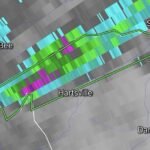
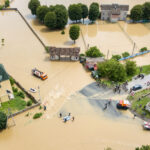
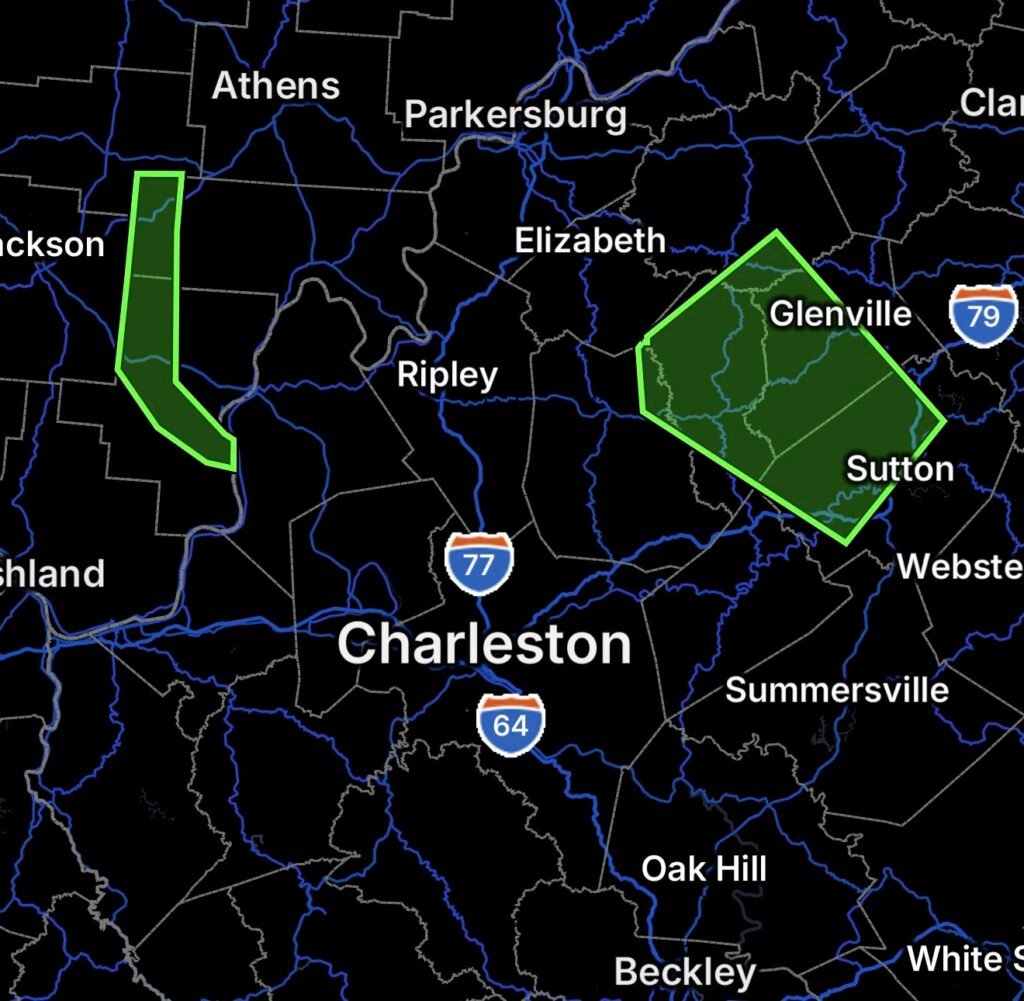
Flood Warnings are affecting portions of central and northwestern West Virginia and southeastern Ohio as persistent rainfall and runoff create hazardous conditions.
Residents in affected communities should remain alert for rising water along rivers, creeks and streams, as well as flooding on roads, in low-lying areas and in poor-drainage locations.
Flood conditions can change quickly, especially where additional rainfall falls over already saturated ground.
Central and Northwestern West Virginia
Flooding is affecting portions of central and northwestern West Virginia, where waterways and low-lying areas can respond quickly to additional rainfall.
Residents near rivers and streams should monitor water levels and be prepared to move to higher ground if conditions worsen.
Road flooding can also make travel dangerous, particularly at low-water crossings and areas near creeks.
Southeastern Ohio
A separate Flood Warning is in effect for portions of southeastern Ohio, where rising water may affect communities near streams, creeks and other waterways.
Residents should not assume a roadway is safe simply because water appears shallow. Floodwater can conceal washed-out pavement, debris and other hazards.
Essential Flood Safety Tips
Never drive through floodwater
Turn around, don’t drown. Even a small amount of moving water can push a vehicle off the roadway.
Move to higher ground
If water begins rising around your home, vehicle or campsite, move to higher ground before conditions become dangerous.
Stay away from waterways
Avoid rivers, creeks, streams and drainage channels during flooding. Water levels can rise rapidly.
Don’t walk through flooded areas
Floodwater may contain debris, contaminants, electrical hazards or hidden holes.
Monitor official alerts
Keep phones charged and enable emergency weather notifications. A Flood Warning means flooding is occurring or imminent and should be taken seriously.
What Residents Should Do
People across central and northwestern West Virginia and southeastern Ohio should remain weather-aware and monitor updated forecasts and flood statements.
If you’re already in a flooded area, don’t wait until water becomes deep or fast-moving before taking action. Follow instructions from local emergency officials and evacuate to higher ground when advised.
Bottom Line
Flooding is affecting portions of West Virginia and southeastern Ohio. Residents should avoid flooded roadways, stay away from swollen waterways and be prepared to move to higher ground if water levels continue to rise.