Marine Weather Statement for Coastal Waters
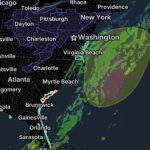
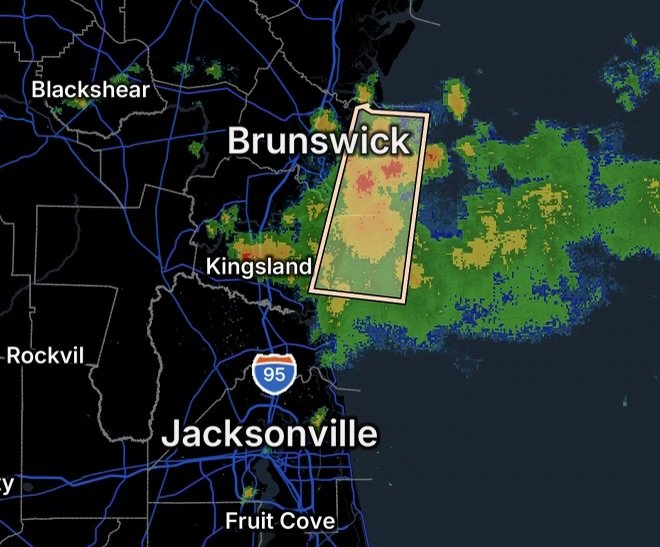
A Marine Weather Statement is highlighting thunderstorms over the coastal waters from Altamaha Sound to Fernandina Beach, Florida, out 20 nautical miles. Thunderstorms over the Atlantic waters can create rapidly changing conditions for boaters, anglers and other marine interests.
The National Weather Service has previously issued Marine Weather Statements for this same coastal zone when strong thunderstorms were detected by Doppler radar. These storms have been capable of producing wind gusts around 30 knots, locally higher waves, lightning and heavy downpours. (Marine Weather)
Where the Marine Weather Statement Applies
The affected marine zone includes the coastal waters extending from:
- Altamaha Sound
- Southward toward Fernandina Beach, Florida
- Out to approximately 20 nautical miles offshore
This area includes waters near the Georgia-Florida coastline and can experience quickly developing thunderstorms, particularly when atmospheric instability and moisture support storm development.
Thunderstorms Over the Waters
Thunderstorms are especially hazardous offshore because conditions can deteriorate with little warning.
A storm that appears relatively distant on radar can quickly approach a vessel, bringing:
- Strong wind gusts
- Lightning strikes
- Sudden heavy rain
- Reduced visibility
- Rapidly building or changing waves
- Strong downdrafts and outflow winds
- Possible waterspouts
Recent National Weather Service statements for this marine zone have warned of thunderstorms capable of producing winds around 30 knots, while stronger storm episodes have prompted Special Marine Warnings for wind gusts of 34 knots or greater. (Marine Weather)
Why Boaters Should Take Thunderstorms Seriously
Thunderstorms over open water can be dangerous even when they are not producing severe-weather warnings.
Lightning is one of the biggest concerns. A thunderstorm can also produce a sudden wind shift or gust front ahead of the main precipitation area. This can cause waves to become more hazardous and make vessel handling more difficult.
Additionally, heavy rainfall can sharply reduce visibility, making navigation more challenging.
For smaller vessels, the combination of wind, waves, lightning and poor visibility can become dangerous very quickly.
Marine Safety: What Boaters Should Do
If thunderstorms are approaching your location, the safest option is to seek safe harbor before the storm reaches your vessel.
If you are already offshore:
Monitor Weather Information
Keep marine weather information, NOAA Weather Radio, radar and other reliable weather sources available whenever possible.
Watch the Sky
Do not rely solely on radar. Darkening skies, rapidly building clouds, increasing winds or distant thunder can all signal approaching thunderstorms.
Avoid Lightning
If thunder can be heard, lightning is close enough to pose a danger. Minimize exposure and follow your vessel’s established lightning-safety procedures.
Prepare for Sudden Wind
Secure loose equipment and prepare for abrupt changes in wind direction or speed.
Wear Life Jackets
Everyone aboard should have an appropriate, properly fitted life jacket readily available. In worsening conditions, wearing a life jacket is strongly recommended.
Conditions Can Change Quickly
The coastal waters between Altamaha Sound and Fernandina Beach can transition from relatively calm conditions to hazardous weather when thunderstorms develop.
The National Weather Service has repeatedly emphasized that mariners can encounter gusty winds, higher waves and lightning with thunderstorms in this region. (Marine Weather)
Because thunderstorms can move and strengthen quickly, mariners should continue monitoring the latest marine forecasts and warnings rather than assuming conditions will remain calm.
Radar Watch HQ Final Thoughts
The Marine Weather Statement for the coastal waters from Altamaha Sound to Fernandina Beach out 20 NM is an important reminder that thunderstorms can pose serious hazards to anyone on the water.
If thunderstorms are nearby, do not wait for conditions to become dangerous before taking action. Check the latest marine weather information, monitor radar trends and be prepared to return to shore or seek safe harbor.
Radar Watch HQ encourages all boaters to put safety first and remain weather-aware whenever thunderstorms are developing over the coastal waters.
Stay weather-aware. Stay prepared. Stay safe.
Radar Watch HQ Top 5 Marine Essentials
Affiliate Disclosure: As an Amazon Associate, Radar Watch HQ earns from qualifying purchases.
🌊 1. U.S. Coast Guard-Approved Life Jacket
A properly fitted life jacket is the most important piece of safety equipment for every passenger onboard.
Best for: Recreational boaters, anglers, kayakers, and paddleboarders.
⚓ 2. Marine Emergency Radio (NOAA Weather Radio)
Receive real-time NOAA Weather Radio alerts, marine forecasts, and emergency warnings—even when cell service is unavailable.
Best for: Offshore and coastal boating.
🔦 3. Rechargeable Waterproof LED Flashlight
A bright waterproof flashlight is essential for emergencies, low visibility, nighttime navigation, and signaling for help.
Best for: Every boat emergency kit.
🧰 4. Marine First Aid Kit
A waterproof first aid kit stocked with bandages, antiseptic, medications, and emergency supplies for injuries on the water.
Best for: Every vessel, regardless of size.
🧭 5. Waterproof Dry Bag
Protect phones, wallets, charts, keys, electronics, and emergency supplies from water damage during storms or rough seas.
Best for: Boaters, kayakers, paddleboarders, and beachgoers.
🛒 Radar Watch HQ Marine Safety Picks
Prepare before you head out on the water. Our recommended marine safety essentials can help keep you and your crew safe during changing weather conditions.