

Dry, Windy Conditions Create Elevated Fire Danger While Strong Winds Impact Western Wyoming
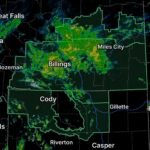
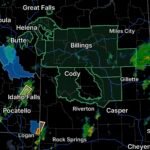
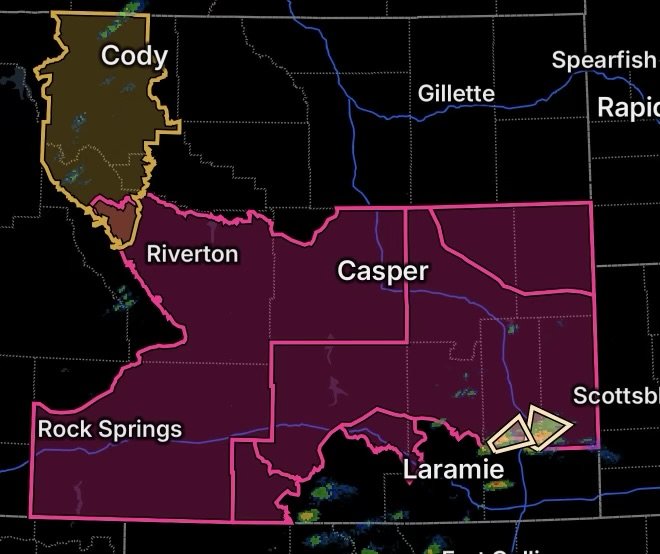
Wyoming is facing a combination of critical fire-weather conditions, strong winds and locally hazardous weather across several regions on September 13, 2026. Red Flag Warnings cover multiple fire-weather zones from central and southwestern Wyoming into portions of southeastern Wyoming, while a High Wind Warning is in effect across the Upper Wind River Basin, Absaroka Mountains and Cody Foothills.
A Special Weather Statement also highlights weather concerns across portions of eastern and southeastern Wyoming, including East Platte, Goshen and Central Laramie counties.
The combination of dry vegetation, low humidity and strong or gusty winds can allow fires to start easily and spread rapidly. The National Weather Service identifies dry and breezy conditions as a significant fire-weather concern across portions of the northern and central High Plains. (National Weather Service)
Red Flag Warning: Niobrara, Converse and Carbon County Areas
A Red Flag Warning covers the Niobrara/Lower Elevations of Converse County and the Thunder Basin National Grassland, along with southwest Carbon County and the North Snowy Range Foothills.
These areas can experience rapid changes in fire behavior when strong winds develop over dry fuels. Grass, brush and other fine fuels can ignite quickly, while wind can push flames forward and carry embers into new areas.
Residents, ranchers, outdoor workers and travelers should avoid activities that could produce sparks or flames during the warning period.
Outdoor burning should be avoided, and anyone who sees smoke or a developing wildfire should report it promptly to local authorities.
Red Flag Warning Across Central Wyoming Fire Zones
Critical fire-weather conditions are also affecting portions of central Wyoming, including Fire Weather Zones 280, 283, 289 and 300.
These zones include portions of Fremont and Natrona counties, where dry fuels combined with wind and low humidity can create dangerous wildfire conditions.
Central Wyoming’s open landscapes can allow fires to move quickly when winds increase. A small ignition from equipment, vehicles, debris burning or another spark can become difficult to control under critical fire-weather conditions.
People in affected areas should follow all local fire restrictions and avoid outdoor activities that could generate heat, sparks or open flames.
Red Flag Warning Extends Into Southwestern Wyoming
The fire-weather threat also extends into southwestern Wyoming Fire Weather Zone 279 and portions of Sweetwater County.
Dry conditions across the region can leave grasses and other fuels highly receptive to ignition. Strong winds can then accelerate fire growth and make containment more difficult.
Anyone traveling through southwestern Wyoming should remain alert for changing conditions, smoke and possible wildfire activity. Drivers should never stop on or near roadways to watch a wildfire and should follow instructions from emergency officials if an evacuation becomes necessary.
Special Weather Statement for Eastern and Southeastern Wyoming
A Special Weather Statement covers portions of East Platte, Goshen and Central Laramie counties.
While a Special Weather Statement is different from a Red Flag Warning, residents should still pay attention to changing weather conditions. Gusty winds, dry vegetation and rapidly changing conditions can increase the potential for fire starts and difficult fire behavior, particularly where fuels are dry.
Outdoor burning and spark-producing activities should be approached with extreme caution, especially during the windiest and driest portions of the day.
High Wind Warning for Western Wyoming
A separate High Wind Warning affects the Upper Wind River Basin, Absaroka Mountains and Cody Foothills.
Strong winds can create hazards for motorists, high-profile vehicles, campers, outdoor workers and anyone near unsecured objects.
Travelers should be prepared for sudden crosswinds, particularly along exposed roads, mountain passes and open stretches of highway. High-profile vehicles, trailers and recreational vehicles can be especially vulnerable to strong crosswinds.
Secure loose outdoor objects before winds increase, and use caution around trees, power lines and other structures that could be affected by strong gusts.
Why These Conditions Matter
Red Flag Warnings are issued when critical fire-weather conditions are occurring or expected shortly. The combination of strong winds and low relative humidity can contribute to rapid fire spread, particularly when vegetation and other fuels are dry. (National Weather Service)
High winds can compound the problem by pushing flames rapidly across grasslands and rangelands and carrying burning embers ahead of the main fire.
This makes prevention especially important. A fire that might otherwise remain small can become much more aggressive when wind, dry fuels and low humidity occur together.
Wyoming Fire Safety: What Residents Should Do
During Red Flag conditions:
- Avoid outdoor burning, including brush and debris burning.
- Do not use fireworks or other activities that can create sparks where prohibited.
- Avoid parking vehicles in tall, dry grass.
- Use extreme caution with welding, cutting equipment and other spark-producing tools.
- Follow all local fire restrictions.
- Keep evacuation routes accessible and know more than one way out of your area.
- Monitor official emergency information for wildfire developments.
- If ordered to evacuate, leave immediately and follow instructions from local officials.
- Do not attempt to drive through smoke or an active wildfire area.
For those traveling through Wyoming, changing wind conditions can also affect driving safety. Slow down when conditions deteriorate, maintain additional following distance and use extra caution on exposed roadways.
A Multi-Hazard Weather Situation Across Wyoming
The combination of Red Flag Warnings in central, southwestern and southeastern Wyoming with a High Wind Warning in western Wyoming highlights how different hazards can occur across the state at the same time.
From the Thunder Basin National Grassland and Converse County to Carbon, Natrona, Fremont and Sweetwater counties, fire prevention is particularly important while critical conditions persist.
Farther west, residents and travelers in the Upper Wind River Basin, Absaroka Mountains and Cody Foothills should prepare for strong winds and the potential for difficult travel conditions.
Conditions can change quickly, so residents should continue monitoring official weather and emergency information throughout the day.
Radar Watch HQ will continue tracking significant weather conditions across Wyoming and providing updates as conditions change. Stay weather-aware, follow local restrictions and take wildfire and high-wind hazards seriously.