












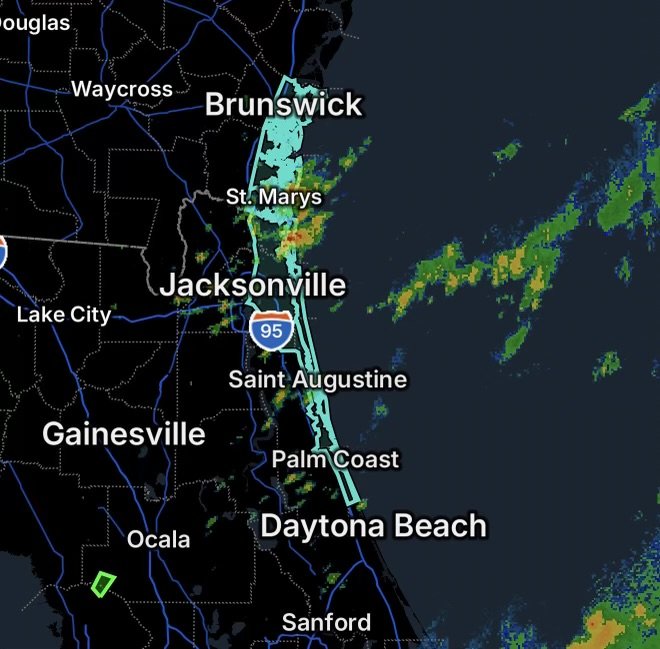
High Rip Current Risk Along Southeast Georgia and Northeast Florida Beaches
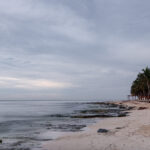
Beachgoers across Southeast Georgia and Northeast Florida are being urged to use extra caution as a High Rip Current Risk remains in effect through late Saturday night, September 26. The National Weather Service Jacksonville office says dangerous rip currents can sweep even experienced swimmers away from shore and into deeper water.
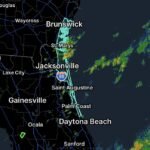
The affected area includes coastal portions of Nassau, Duval, Flagler and St. Johns counties in Florida, along with Glynn and Camden counties in Georgia. Beaches specifically included in the surf forecast include Fernandina Beach, Jacksonville Beach, Palm Coast, Ponte Vedra Beach, Vilano Beach, St. Augustine, Brunswick, St. Simons and St. Marys.
Why Rip Current Conditions Are Dangerous
Rip currents are powerful channels of water that move away from the shoreline through the surf zone. They can develop even when the ocean does not appear unusually rough, and they can quickly carry swimmers farther from shore.
The National Weather Service defines a High Rip Current Risk as a situation in which life-threatening rip currents are likely in the surf zone.
Current conditions are being influenced by changing winds and waves along the Atlantic coast. The NWS Jacksonville coastal forecast indicates increasing northeasterly winds and waves beginning Wednesday and continuing into at least Friday, with conditions expected to gradually ease over the weekend.
Beaches Across the Region Face Elevated Risk
The high-risk area stretches along portions of the Northeast Florida and Southeast Georgia coastline, including:
- Nassau County, Florida
- Duval County, Florida
- Flagler County, Florida
- St. Johns County, Florida
- Glynn County, Georgia
- Camden County, Georgia
The NWS surf forecast lists today’s surf around 2 to 3 feet for the covered beaches, while maintaining the High Rip Current Risk designation.
How to Stay Safe at the Beach
The safest choice during a High Rip Current Risk is to swim near a lifeguard and follow posted beach warnings and local instructions.
If caught in a rip current:
- Stay calm and float.
- Do not try to swim directly against the current.
- If able, swim parallel to the shoreline until you are out of the current.
- Once free of the current, swim toward shore.
- If you cannot escape, face the shore and call or wave for help.
The NWS specifically recommends relaxing and floating rather than fighting the current.
Parents and beach groups should keep children within close reach and avoid assuming that calm-looking water is automatically safe. Extra caution is also important near structures such as piers, jetties and groins, where rip currents can occur.
What Beachgoers Should Know Today
A High Rip Current Risk is not a reason to panic, but it is a reason to take the surf seriously. Check local beach flags, listen to lifeguards and reconsider entering the water when conditions are hazardous.
The current statement is in effect through late Saturday night, so elevated beach hazards may continue for several days.
Radar Watch HQ encourages everyone visiting Southeast Georgia and Northeast Florida beaches to check local beach conditions before entering the water, stay near lifeguards, and know how to escape a rip current before swimming.