
Tropical Storm Fausto: Coastal Impacts, Dangerous Surf, and Safety Information
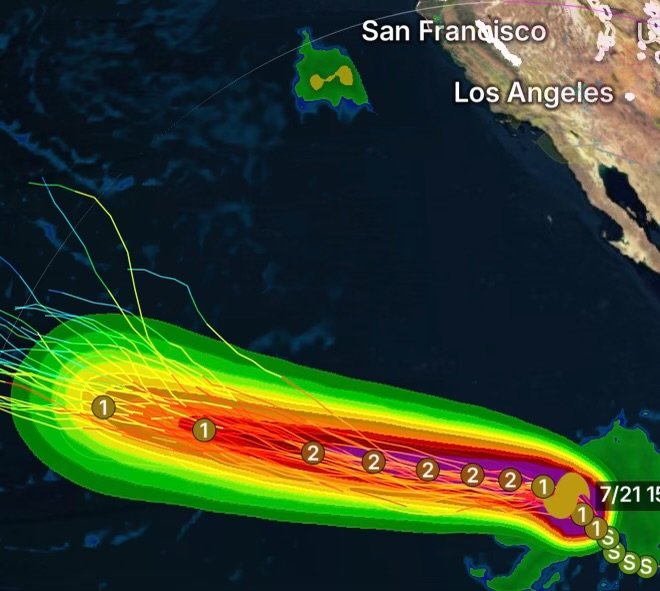
Tropical Storm Fausto continues to be monitored as it moves across the eastern Pacific, bringing rough seas, dangerous rip currents, heavy rain, and gusty winds that can affect coastal communities. While the exact impacts depend on the storm’s track and strength, residents, visitors, and mariners should remain alert for changing weather conditions and follow forecasts from local emergency officials.
Even when a tropical cyclone remains offshore, large ocean swells can travel hundreds of miles, creating hazardous conditions along beaches and coastal waters.
Coastal Communities May Experience Dangerous Surf
One of the first impacts from Tropical Storm Fausto is an increase in ocean swell. These long-period waves can create:
- High surf along exposed beaches
- Dangerous rip currents
- Beach erosion
- Coastal flooding in vulnerable low-lying areas
- Hazardous conditions for swimmers and surfers
Rip currents can quickly pull even experienced swimmers away from shore. Beachgoers should only swim where lifeguards are present and heed all warning flags and posted advisories.
Heavy Rainfall Could Increase Flooding Risk
Bands of tropical moisture associated with Fausto may produce periods of heavy rainfall in some coastal regions.
Potential impacts include:
- Flash flooding in urban areas
- Ponding of water on roadways
- Poor visibility for drivers
- Overflowing creeks and drainage systems
- Mudslides in mountainous terrain if rainfall becomes excessive
Residents should avoid driving through flooded roads and monitor local flood advisories.
Strong Winds and Marine Hazards
Although the strongest winds remain near the center of Tropical Storm Fausto, outer rainbands may bring gusty conditions to portions of the coastline.
Marine impacts include:
- Rough seas
- Hazardous boating conditions
- Dangerous waves near jetties and piers
- Strong currents
- Reduced visibility in heavy rain
Small craft operators should closely monitor marine forecasts before heading onto the water.
Possible Effects on Coastal Infrastructure
Depending on the storm’s proximity to land, coastal communities could experience:
- Minor coastal flooding
- Localized power outages
- Tree damage from gusty winds
- Delays at ports and marinas
- Beach closures
- Disruptions to ferry operations
Emergency managers continue monitoring conditions should additional warnings become necessary.
How Coastal Residents Can Prepare
Preparation remains the best defense against tropical weather.
Safety recommendations include:
- Monitor the latest weather forecasts frequently.
- Secure loose outdoor furniture and decorations.
- Prepare emergency supplies, including food, water, medications, and flashlights.
- Charge electronic devices before storms arrive.
- Avoid flooded roads and coastal areas experiencing dangerous surf.
- Follow evacuation instructions immediately if issued.
Travelers Should Expect Weather-Related Disruptions
Visitors planning beach vacations or marine activities should expect changing weather conditions, including:
- Dangerous swimming conditions
- Possible cancellations of boating excursions
- Delays at coastal airports
- Port and harbor restrictions
- Reduced visibility during heavy rain
Checking local weather forecasts before traveling is strongly recommended.
Looking Ahead
Forecasts indicate Tropical Storm Fausto will continue to generate hazardous marine conditions as it moves across the eastern Pacific. Even if the storm remains offshore, dangerous surf, rip currents, and periods of heavy rain may continue affecting nearby coastal communities for several days.
Residents should continue monitoring updates from the National Hurricane Center and their local National Weather Service office for the latest watches, warnings, and forecasts.
Frequently Asked Questions
Is Tropical Storm Fausto making landfall?
The forecast track determines whether Fausto approaches land. Even without landfall, dangerous surf, rip currents, and rough seas can affect coastal communities.
What is the greatest threat?
For many coastal areas, the greatest hazards are dangerous rip currents, high surf, heavy rainfall, localized flooding, and hazardous marine conditions.
Should boaters stay off the water?
Small craft should use extreme caution or remain in port if hazardous marine conditions are expected.
How long will impacts last?
Large swells and dangerous surf often persist for several days after the storm has moved away.
Affiliate Disclosure: As an Amazon Associate, Radar Watch HQ earns from qualifying purchases.
Radar Watch HQ Top 5 Essential Emergency Preparedness Picks
Whether you’re preparing for severe thunderstorms, flash flooding, hurricanes, wildfires, or extended power outages, these five emergency essentials can help keep your household safer when severe weather strikes.
A portable power station provides reliable backup electricity during outages, allowing you to power phones, medical devices, laptops, lights, small appliances, and communication equipment without fuel.
Best for:
- Extended power outages
- Severe thunderstorms
- Hurricanes
- Winter storms
- Wildfires
2. Flood Protection Barriers & Sandless Flood Bags
Flood barriers help divert or absorb water before it enters garages, doorways, and low-lying areas. They deploy quickly and can help reduce property damage during flash flooding.
Best for:
- Flash Flood Warnings
- Heavy rainfall
- River flooding
- Coastal flooding
3. Rechargeable LED Flashlights
Bright, dependable flashlights are essential when the power goes out. Rechargeable or solar-powered models provide long-lasting illumination for navigating safely indoors and outdoors.
Best for:
- Overnight power outages
- Emergency evacuations
- Storm damage inspections
Keep phones, tablets, weather radios, and USB-powered devices charged when the electrical grid is unavailable. A solar power bank offers an additional charging option during prolonged emergencies.
Best for:
- Communication during outages
- Emergency weather alerts
- Travel and evacuation
A NOAA Weather Radio delivers official weather alerts directly from the National Weather Service, even when cellular networks or internet service are unavailable. It remains one of the most dependable ways to receive life-saving warnings.
Best for:
- Tornado warnings
- Severe thunderstorm warnings
- Flash flood warnings
- Hurricane alerts
- Winter storm emergencies
Why Radar Watch HQ Recommends These Essentials
At Radar Watch HQ, preparedness is just as important as staying informed. These five emergency essentials can help you stay connected, protect your property, and safely navigate severe weather events. Having supplies ready before storms arrive allows you to respond quickly when warnings are issued and conditions begin to deteriorate.